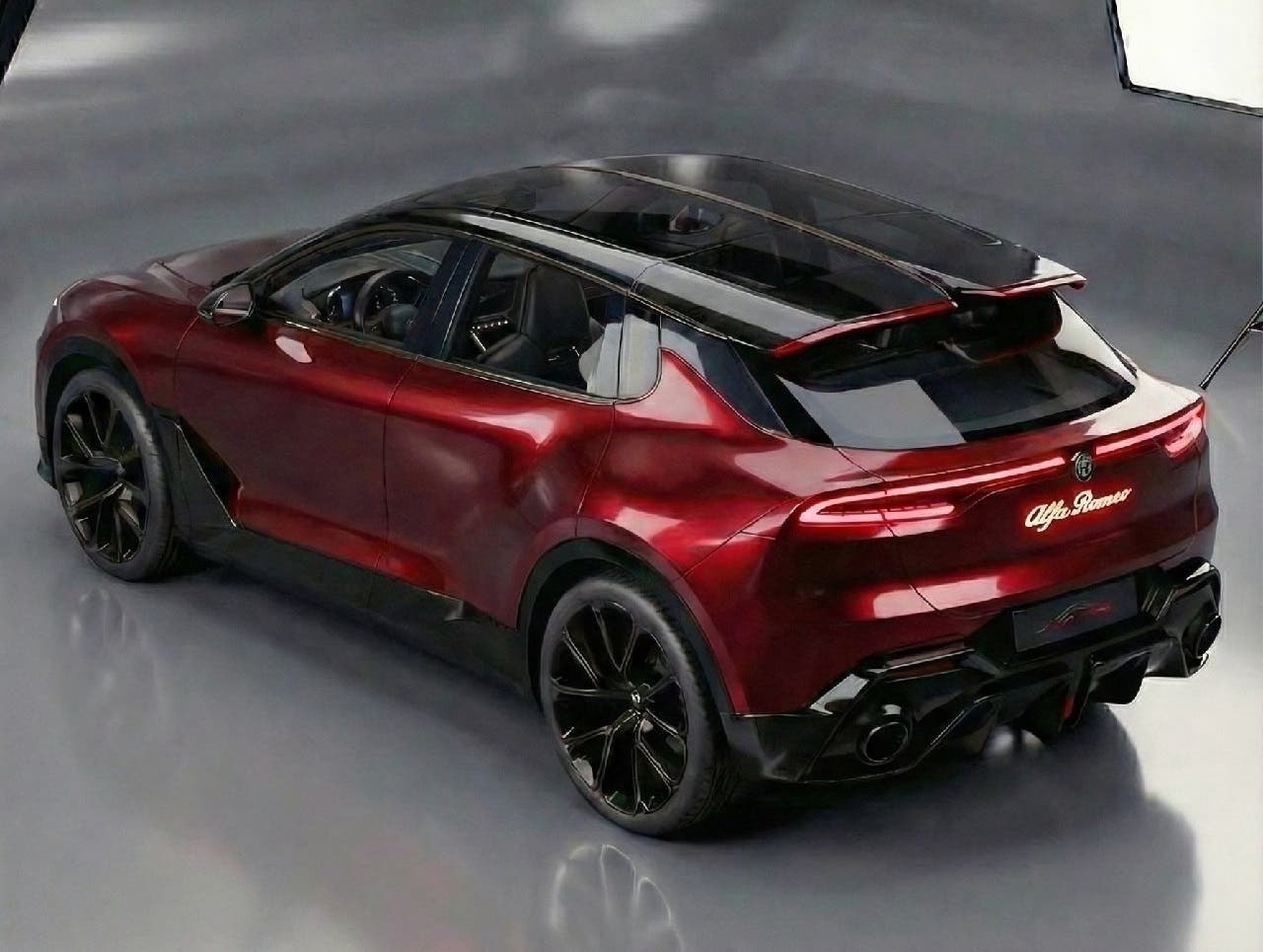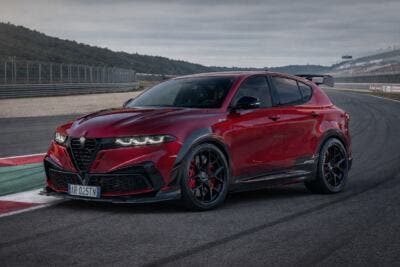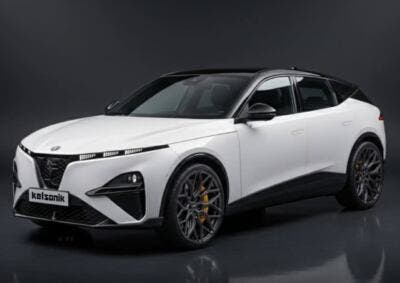
The second generation of the Alfa Romeo Stelvio should debut in 2028, based on the timeline the brand’s CEO Santo Ficili confirmed last year, and it stands as one of the most important projects in Stellantis’ path through the end of the decade. With Antonio Filosa set to present the group’s new strategic plan on May 21, attention around the Biscione SUV has intensified in recent weeks, especially because several reports suggest the project may have gone through meaningful changes compared with its original concept.
New Alfa Romeo Stelvio could become the key test of the brand’s next phase
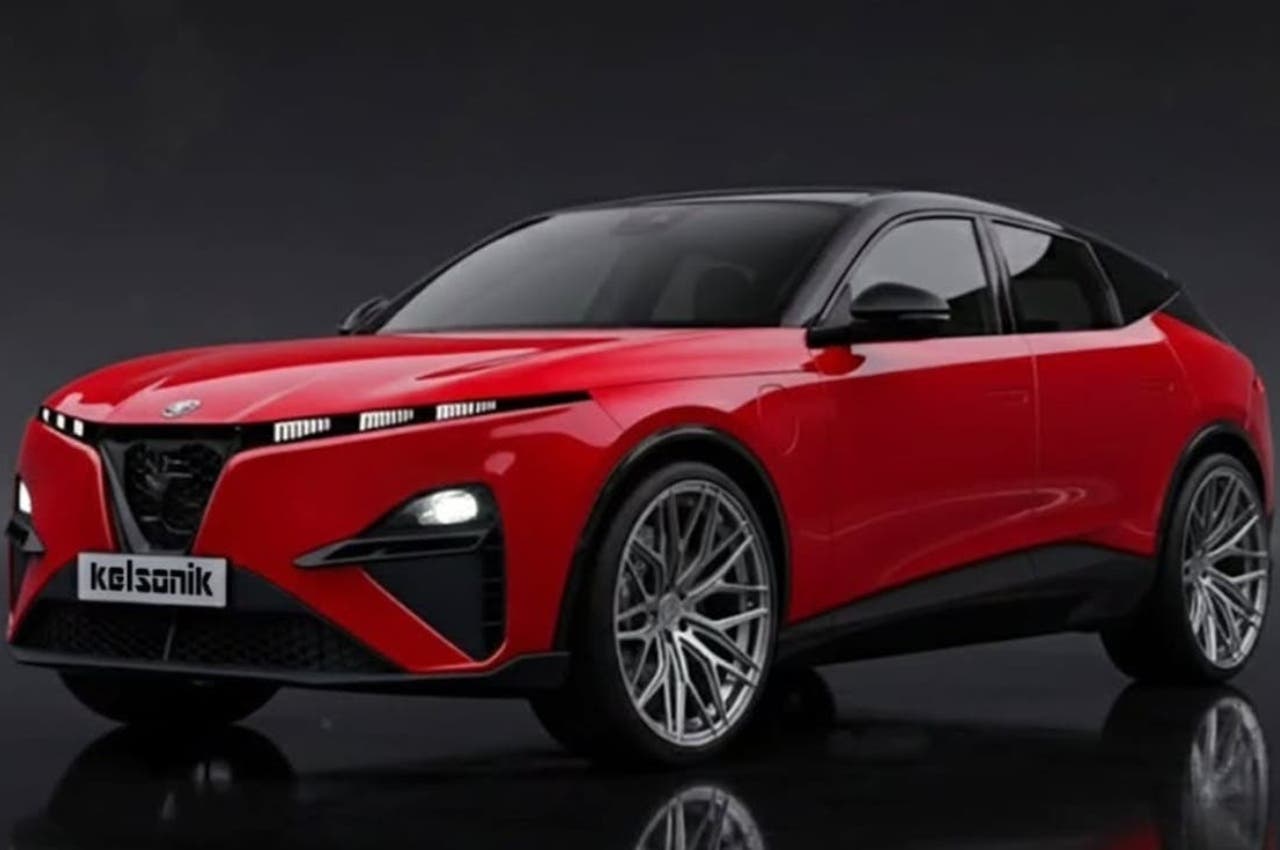
On the design side, the latest indications point to a styling revision linked to the shift in powertrain strategy. In its earlier phase, Alfa Romeo had conceived the new Stelvio as a fully electric model, and that decision also influenced the front-end design and the car’s overall proportions. The move back toward a broader mechanical lineup may have pushed the team to revise some elements and bring the model closer to a visual identity that feels more consistent with Alfa Romeo tradition, especially after some leaked images in the past triggered a less-than-positive reaction.
Right now, the powertrain chapter raises the biggest questions. The second-generation Stelvio should not arrive only as an EV, and the idea of a lineup built around multiple propulsion types is looking more and more likely, even if Alfa Romeo still has not confirmed the final solutions. Reports continue to mention hybrid variants, but in recent weeks speculation around fully combustion-powered versions has also returned. Among the names that surface most often is the Hurricane inline-six already available within Stellantis. For a future Quadrifoglio, some reports point instead to the Nettuno V6 from Maserati. In the last few days, the idea of a full-hybrid version has also gained momentum, potentially as the core option in the middle of the range.
The platform question remains just as important. Until recently, most people treated the move to STLA Large as almost certain, but sources close to Alfa Romeo now reportedly see the Giorgio Evo architecture as increasingly likely, the same base used by the Maserati Grecale. If Alfa Romeo confirms that route, it would mark a technical direction very different from the one imagined in the project’s earlier stage.
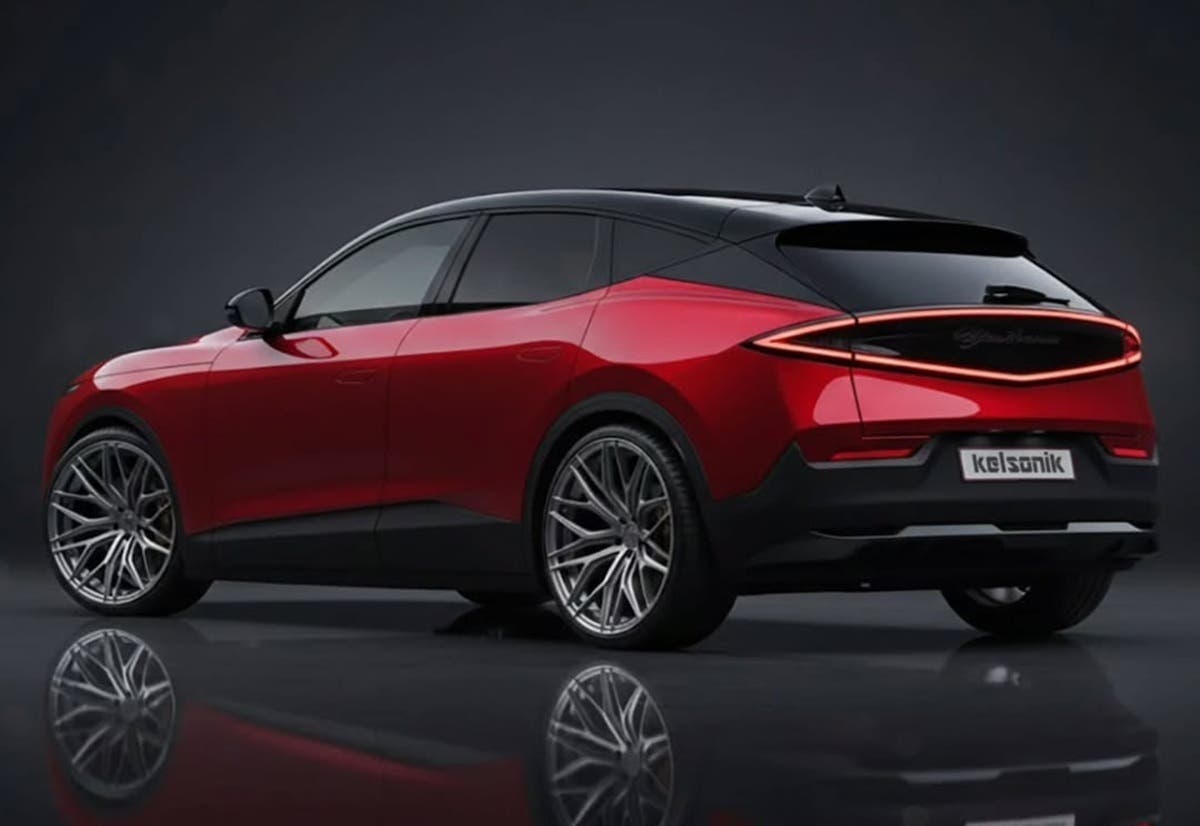
On the commercial side, pricing remains unclear, but a higher price point than today’s Stelvio looks like a reasonable expectation. More advanced technology, electrified powertrains, stronger driver-assistance systems, and a richer digital package should push the model further into the upper part of the premium segment and widen the gap over the outgoing generation.
Much will depend on what emerges from the plan Filosa presents on May 21 and on the role Stellantis ultimately assigns to Alfa Romeo inside the group. In any case, the new Stelvio is shaping up to become the model through which much of the credibility of Alfa Romeo’s next industrial phase will be judged.