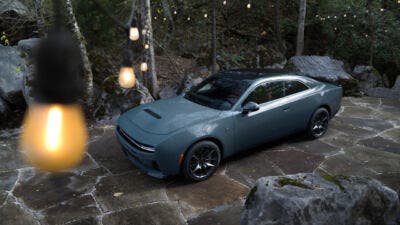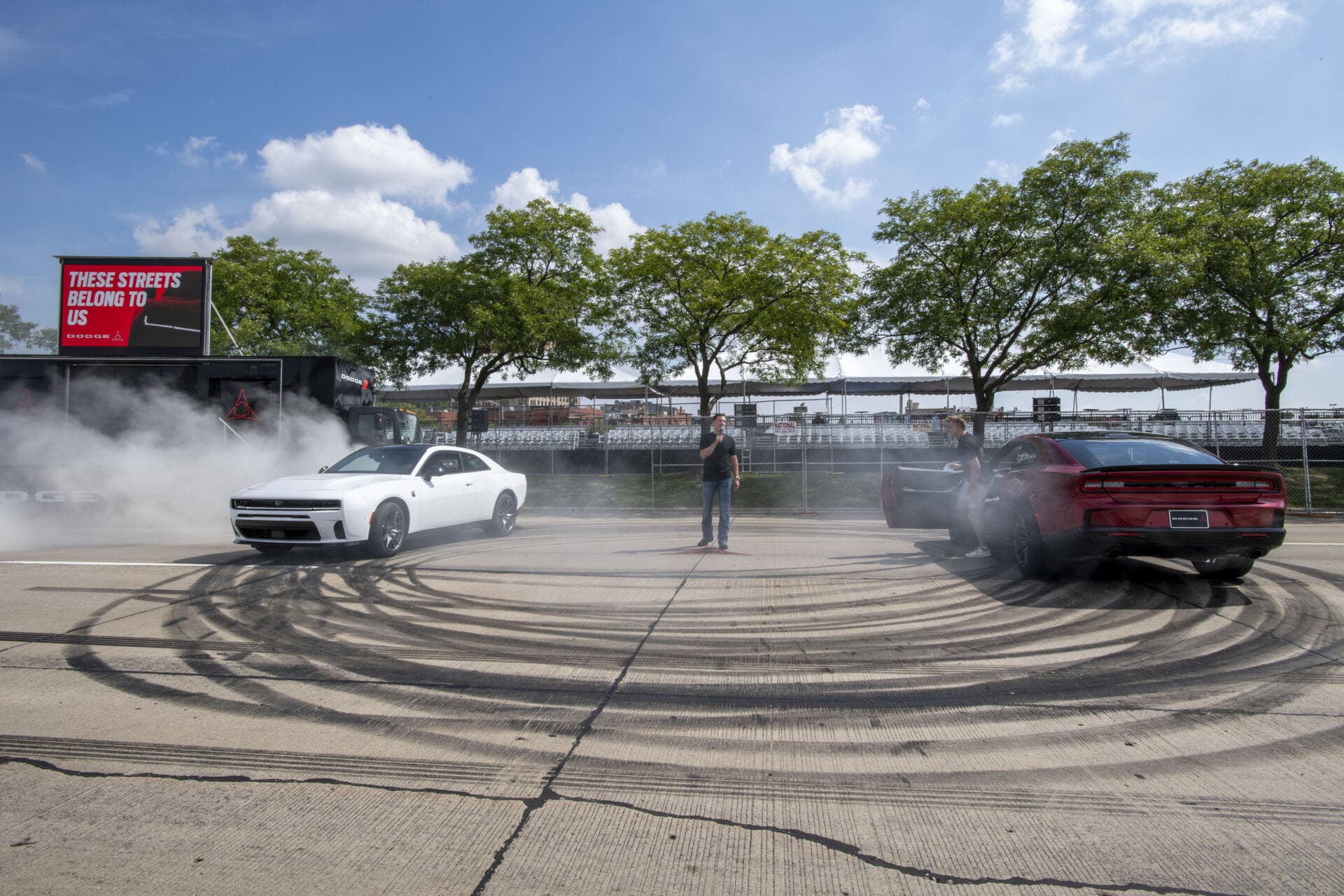
In a recent interview, Dodge CEO Matt McAlear outlined the strategy the American brand plans to follow as it moves through a period of deep transformation, shaped by the arrival of electrified platforms and twin-turbo Hurricane engines without abandoning the performance-focused philosophy that, during the Hellcat era, turned the automaker into a reference point for a wide community of enthusiasts.
Dodge wants to keep its muscle identity through EVs and Hurricane power
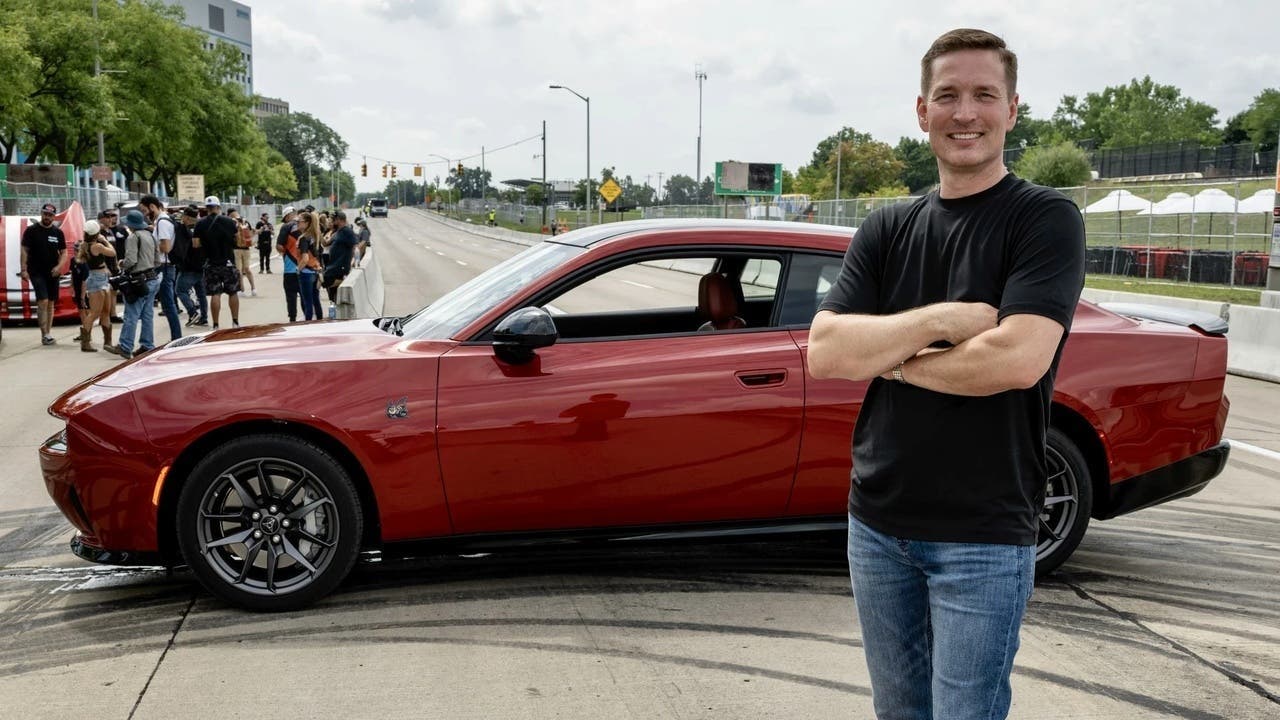
McAlear himself acknowledged that in the past Dodge could not always compete with rivals in the more traditional areas of performance, such as power-to-weight ratio or cornering ability. Instead, the brand built its identity around acceleration, extreme power, and emotional engagement. He also stressed that the new generation of models can outperform its predecessors while offering something more on the technical and dynamic side.
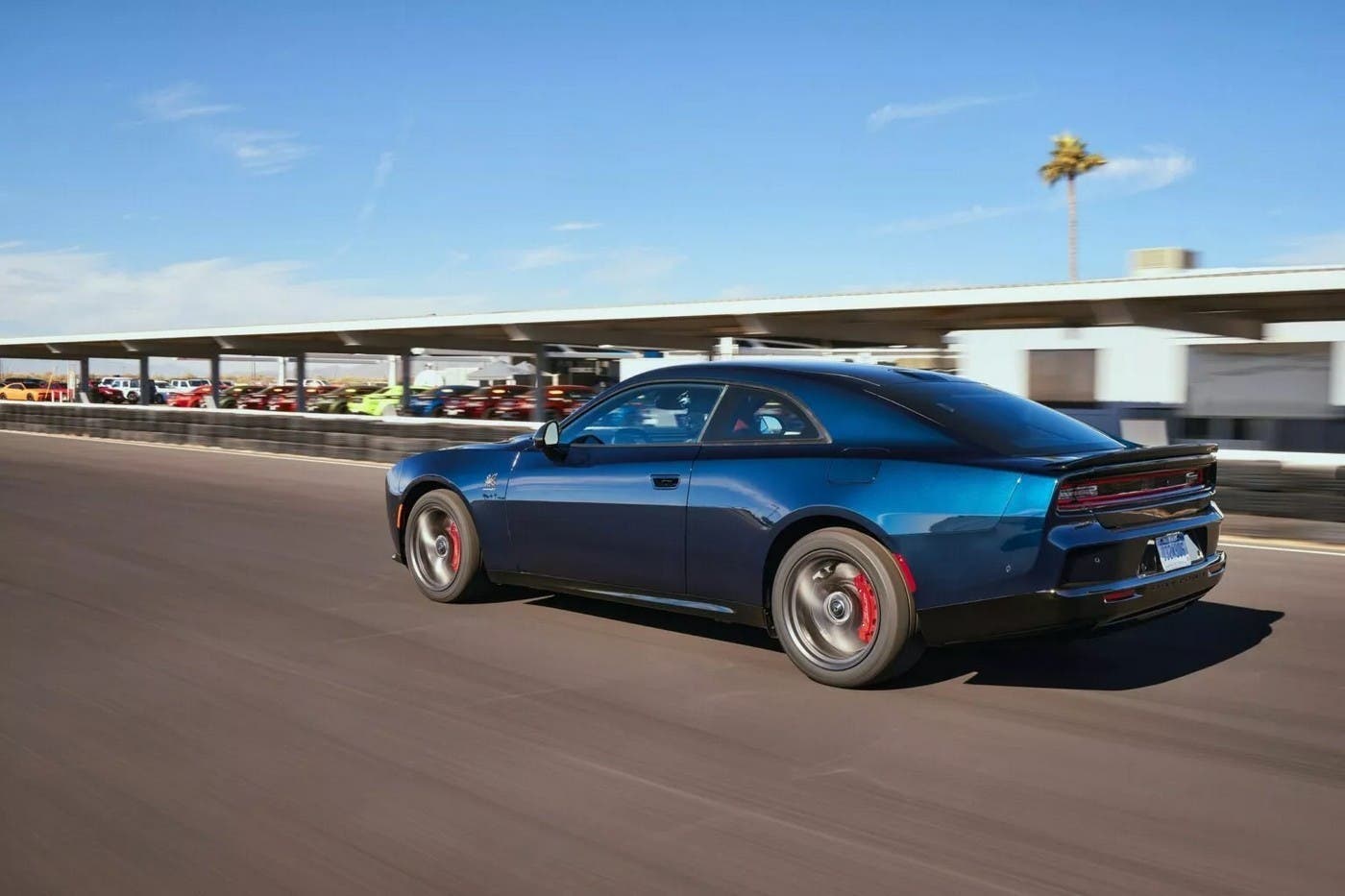
At the center of this transition stands the new Charger, which Dodge builds at the Windsor plant in Ontario. The model opens a new chapter for one of the most recognizable names in American automotive history, but it also has to deal with the complexity of today’s industrial environment. McAlear called tariffs the brand’s top priority, highlighting how a vehicle assembled in Canada faces different commercial conditions from a model such as the Durango, which rolls out of the Detroit plant. The tariff issue forms part of a broader situation that Dodge and Stellantis are trying to manage in order to keep prices competitive at a time when sticker prices continue to rise and buyers pay closer and closer attention to the balance between cost, content, and perceived value.
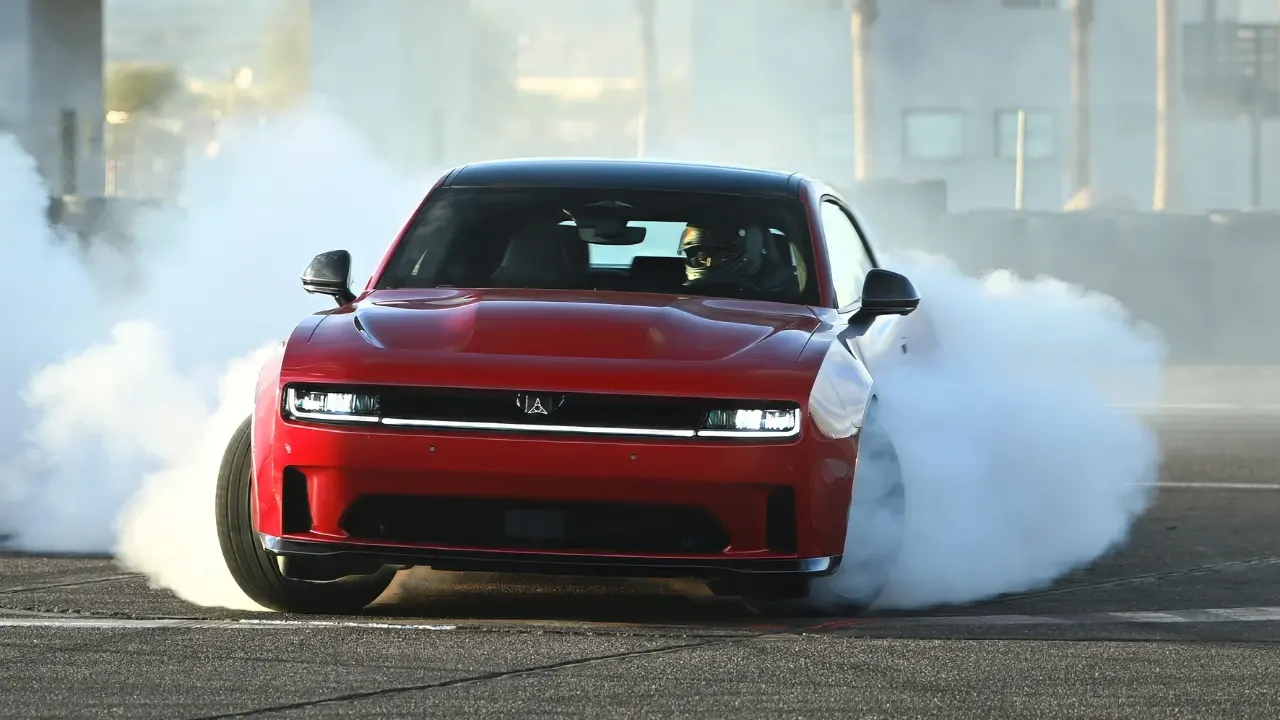
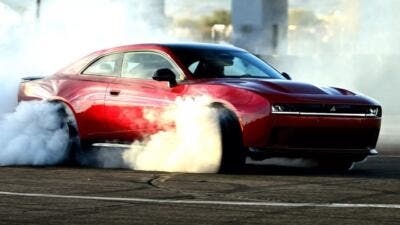
From a commercial point of view, the CEO is placing a strong emphasis on direct experience as a way to convince buyers, pushing the dealer network to let both potential customers and dealership staff drive the new vehicles. In management’s view, the electric Charger Daytona and the future Sixpack versions powered by the Hurricane engine should win over even the most skeptical drivers once they test them on the road, in a process McAlear summed up with the phrase “one test drive at a time.” That approach reflects a clear awareness of how the move toward new technologies requires deep work on product perception, especially among a fanbase long accustomed to the supercharged V8 and very vocal about its expectations.
The enthusiast community itself represents an element the brand considers strategic. McAlear described it as a brotherhood and sisterhood capable of giving very precise indications about what it expects from Dodge, suggesting that the brand is already working on new projects designed in part to answer those demands. The CEO’s stated mission remains to keep Dodge as the ultimate American performance brand, regardless of the technology involved, whether electric or combustion-powered, while trying to stand out in an automotive landscape that is gradually becoming more uniform.