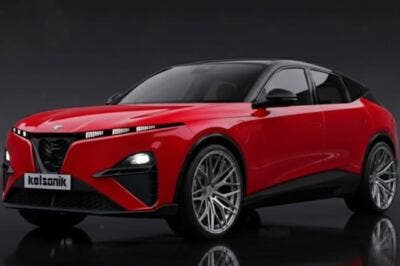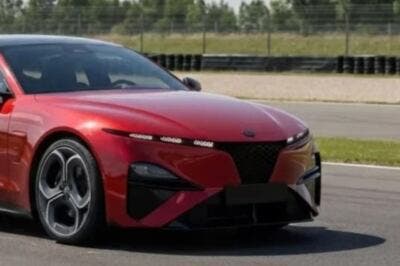
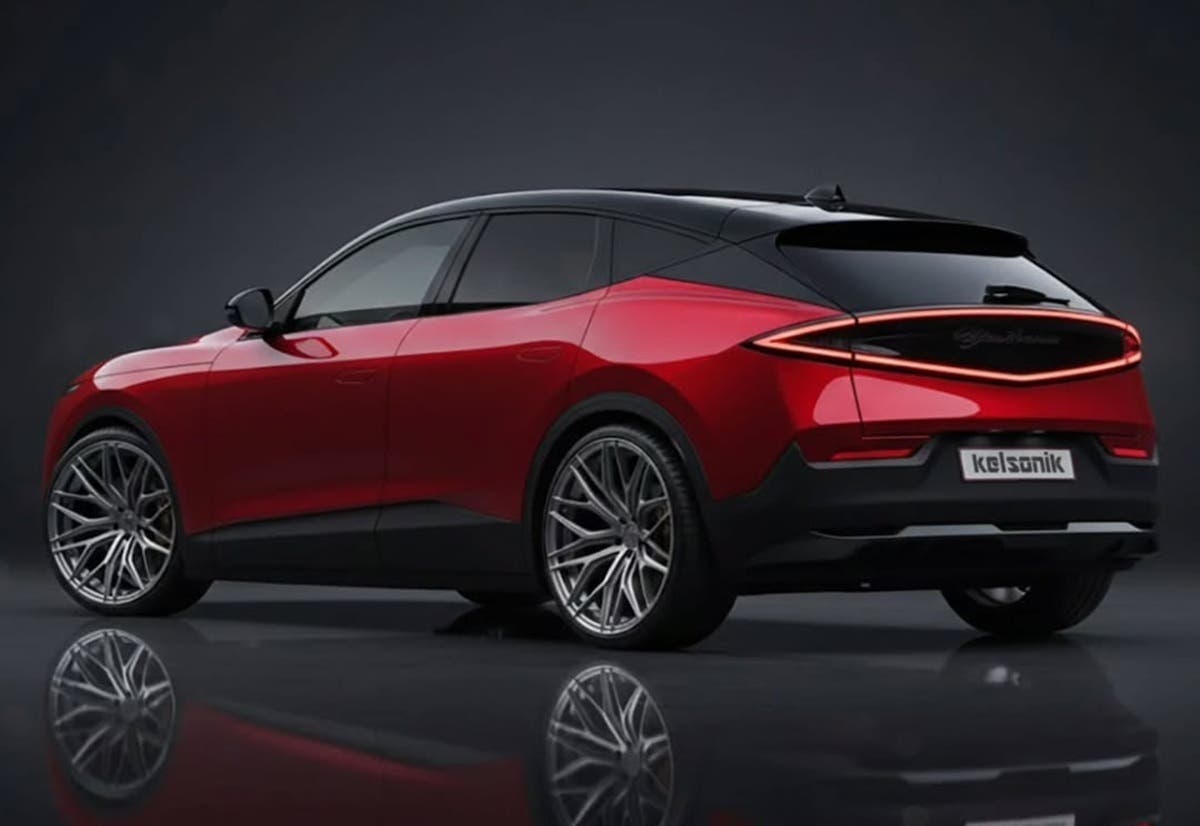
The future of the new Alfa Romeo Stelvio is starting to take shape more clearly, even though the wait has grown longer than expected. After recent statements from CEO Santo Ficili, it is now official that the second generation of the SUV will not arrive before 2028. This marks a significant delay compared to the original timeline, which pointed to a debut around 2025. The decision stems from a deep revision of the project, to the point that Alfa Romeo has almost completely reworked the model’s development.
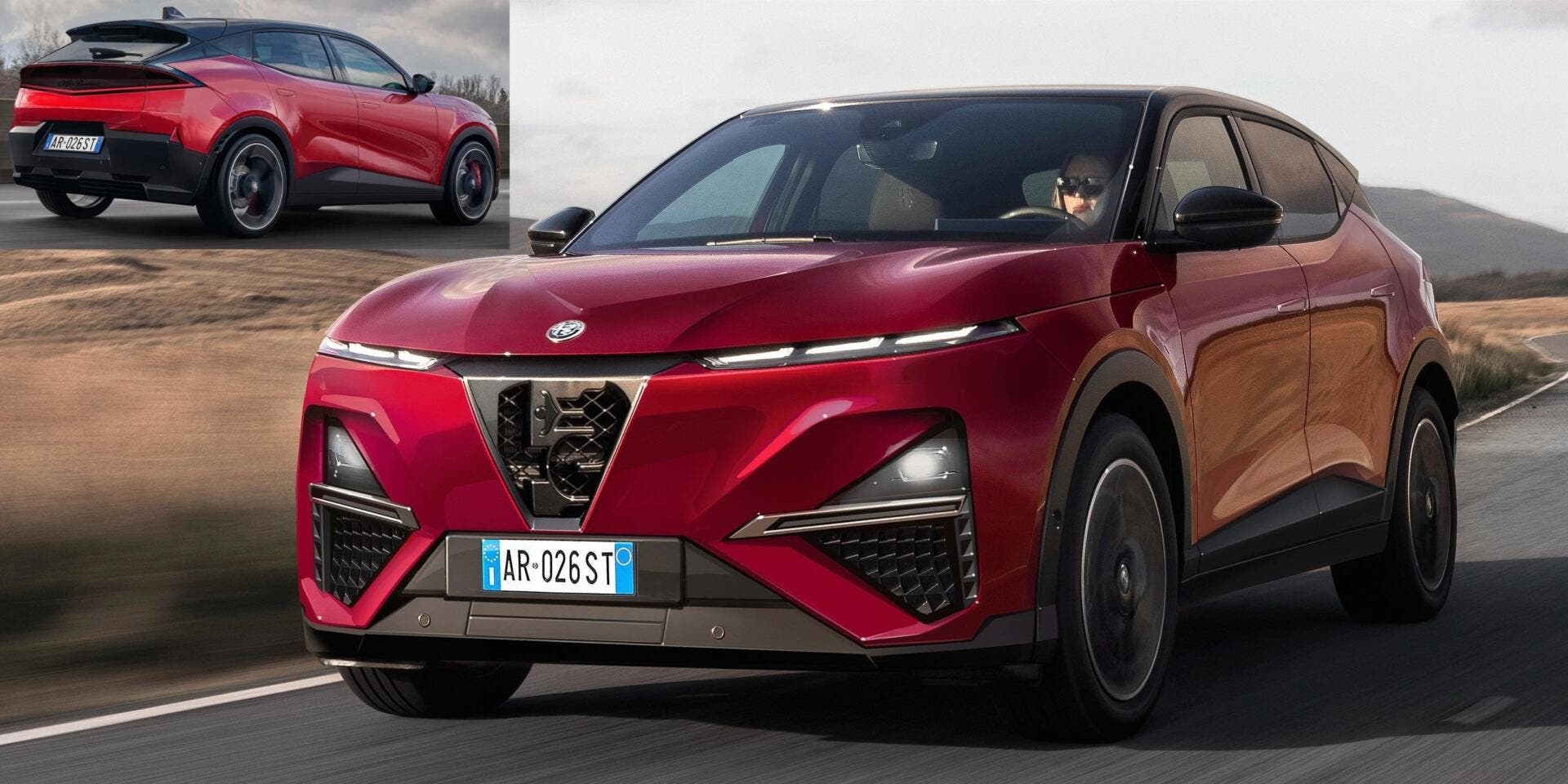
The first spy images that surfaced in the past no longer represent a reliable reference. The new direction set by management has led to a rethink of both the technical and design aspects, with the goal of making the future Stelvio more consistent with the brand’s updated strategy. As a result, the final design could differ substantially from earlier expectations, featuring more modern lines and a stronger focus on aerodynamics and brand identity.
Next Alfa Romeo Stelvio may adopt the Hurricane Twin-Turbo engine
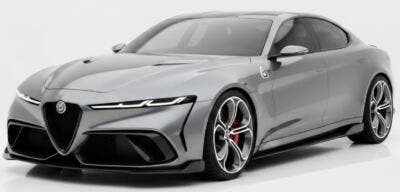
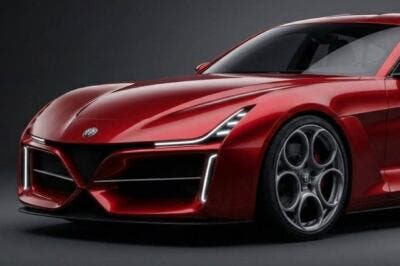
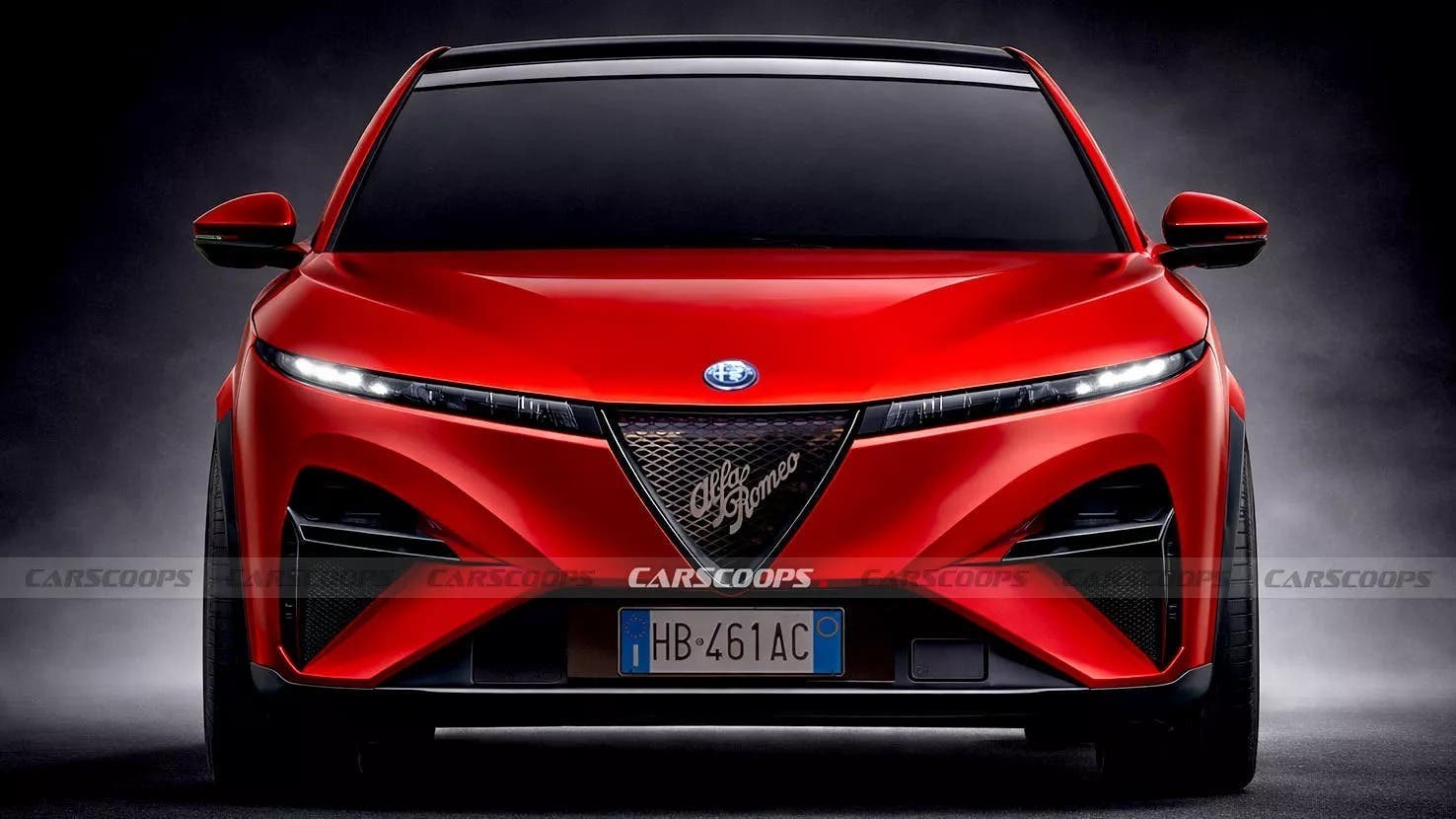
The discussion surrounding the new Stelvio does not concern Europe alone. Interest in the model has also grown in the United States, as shown by coverage from outlets such as Carscoops, which recently published a speculative rendering of the SUV’s front end. Beyond styling, attention in the U.S. market focuses mainly on Alfa Romeo’s long-term role there and on which powertrains the brand will choose to offer.
One of the most debated topics involves the possible use of the 3.0-liter twin-turbo Hurricane inline-six engine, already found in other Stellantis models such as the Dodge Charger. This powertrain enjoys strong appreciation in the U.S. and could represent an ideal solution to preserve the Stelvio’s performance credentials, especially if Alfa Romeo intends to remain competitive in North America.
However, the most delicate issue remains Stellantis’ actual commitment to Alfa Romeo in the United States. Some statements made during the Detroit Auto Show suggested that the brand’s future could become increasingly Europe-focused. The cancellation of a planned E-segment SUV has further fueled these doubts, pointing toward a more selective and less global strategy than in the past.
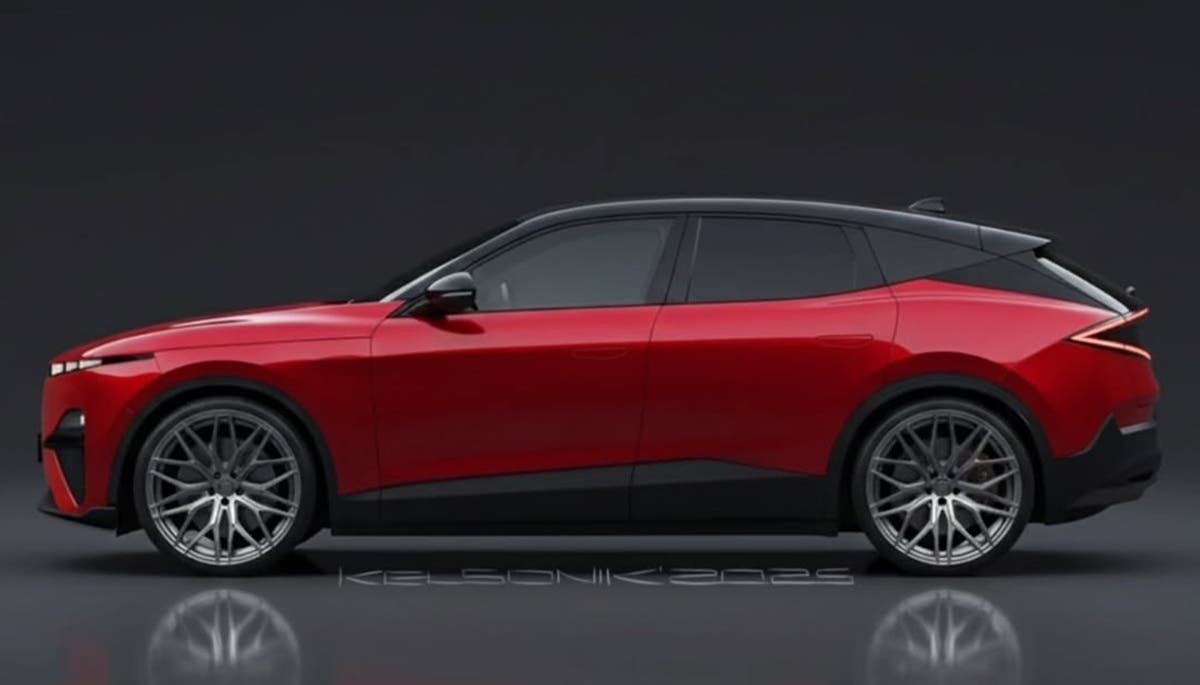
From a technical standpoint, the new Stelvio will ride on the STLA Large platform. The vehicle will grow in size compared to the current model, exceeding 4.8 meters in length. The lineup will include electric and plug-in hybrid versions, in line with upcoming European regulations. For the range-topping Quadrifoglio variant, rumors continue to point toward the possible adoption of Maserati’s Nettuno V6, although no official confirmation has arrived so far.
In the coming months, the picture should become clearer, especially once Stellantis presents its new industrial plan. That moment will ultimately define the future role of the Stelvio and clarify whether Alfa Romeo will continue to operate as a global brand or focus primarily on the European market.