

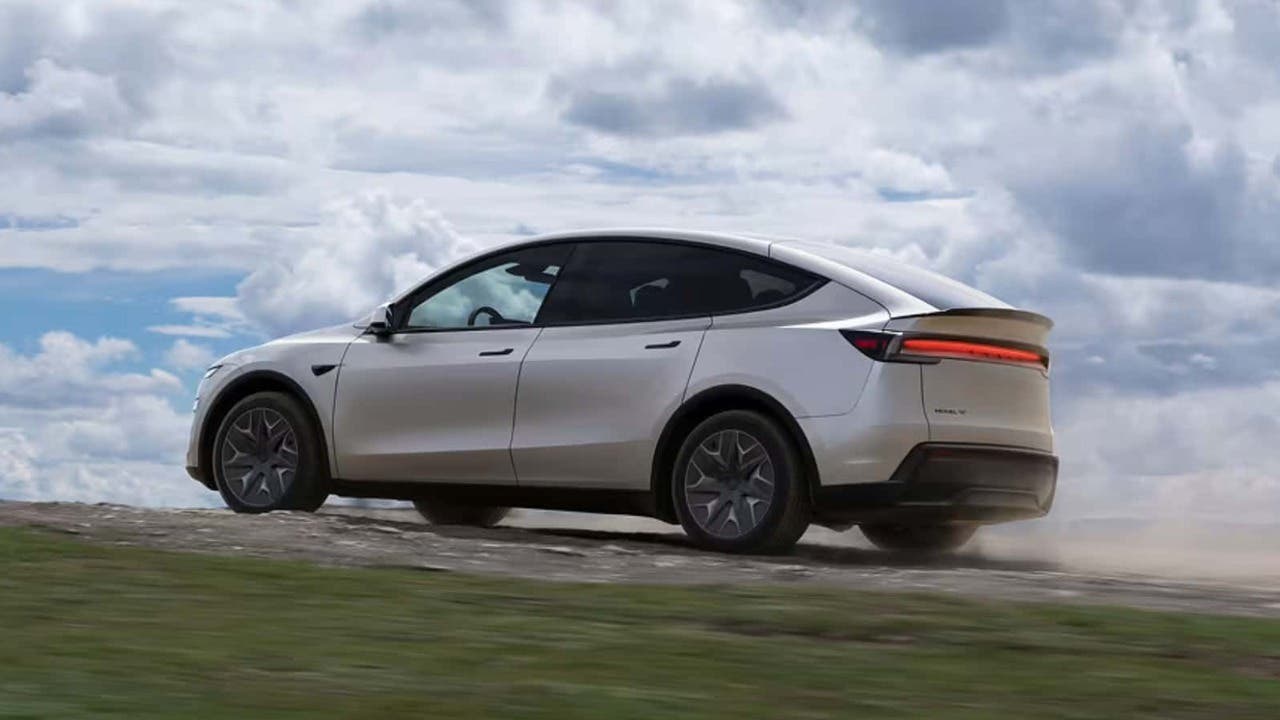
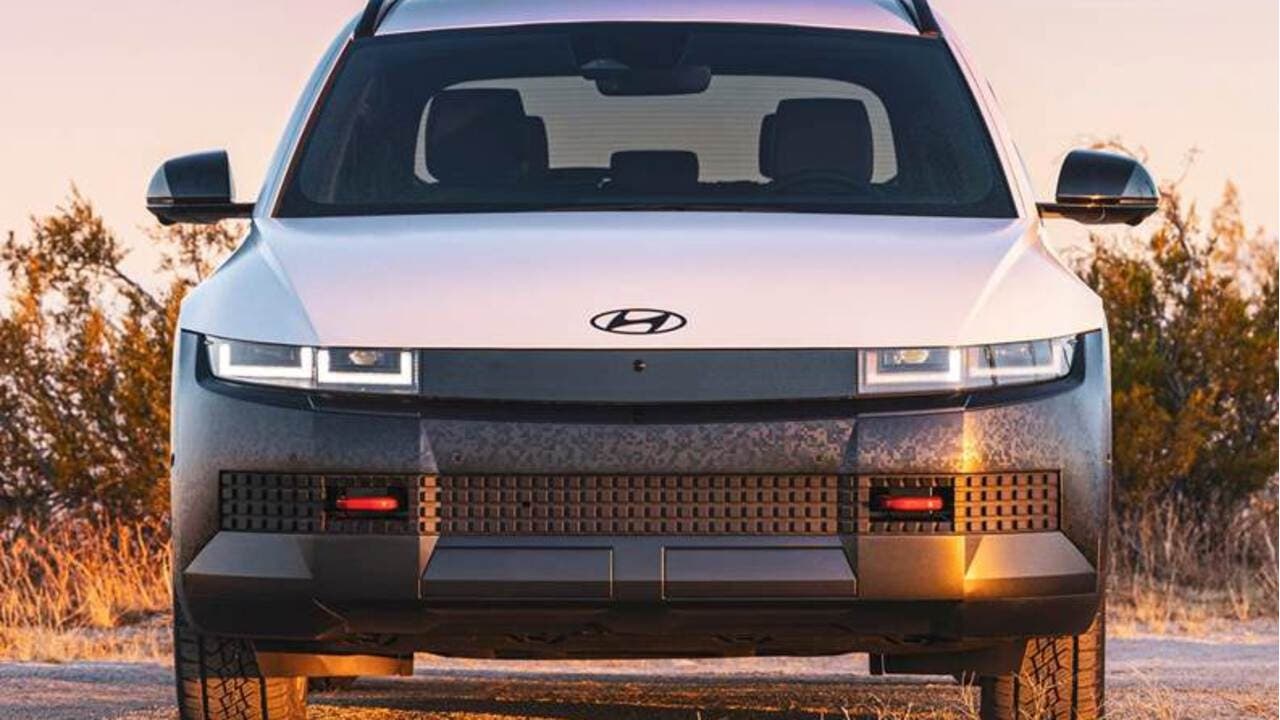
Hyundai Ioniq 5 reached 20,730 registrations in the United States in the first half of 2026, up 9%, establishing itself as the strongest alternative to Tesla at a time when several rival electric models lost ground. Local production at the Metaplant America factory in Georgia, combined with a product that offers space, strong recognition, and competitive charging times, helped the Korean crossover consolidate its position while long-standing rivals moved backward.
U.S. EV sales shift as Hyundai and Toyota gain momentum
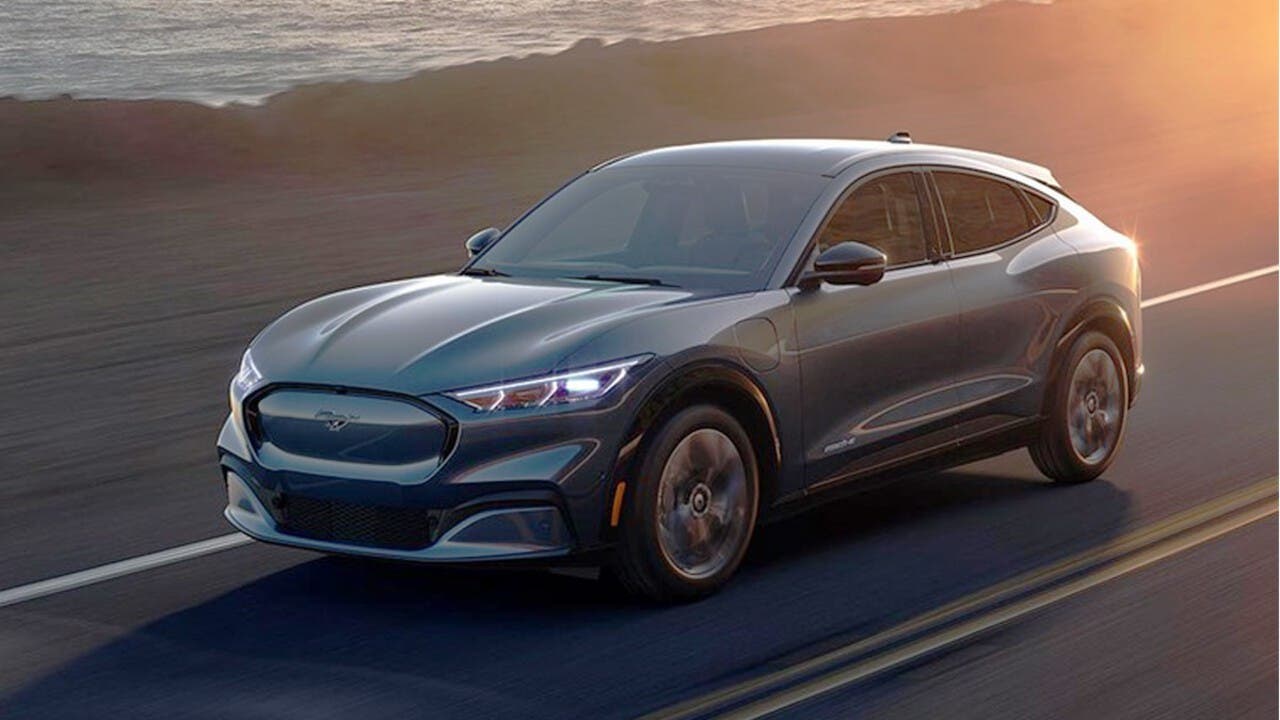
The clearest contrast comes from the Ford Mustang Mach-E, which fell to 11,632 units with a drop of more than 40%. This decline weakens a model that, until recently, many considered one of the few credible rivals to the Tesla Model Y. The figure looks even more significant when compared with the 28,725 combustion-powered Mustangs sold in the same period, up from 23,551 in the first half of 2025. This confirms that the Mustang name works better in its classic form. The Chevrolet Equinox EV also lost momentum, stopping at 16,249 units and declining from 2025, although it still plays an important role in General Motors’ electric strategy.
Toyota bZ, by contrast, reached 17,553 units thanks to incentives and aggressive leasing offers. Its performance shows that a manufacturer that arrived late to the pure electric segment can recover ground when it adopts a pragmatic commercial strategy focused on price. The Japanese model overtook both the Equinox EV and the Mach-E, entering a market area where cost sensitivity remains decisive.
Tesla still dominates the ranking with a lead that no rival can realistically close in the short term. Model Y confirmed its position as America’s best-selling electric car, followed by the updated Model 3, which benefits from sharper styling and aggressive commercial policies. Tesla’s U.S. lineup now revolves almost entirely around these two models and the Cybertruck after the exit of Model S and Model X, but the combination of competitive range, a widespread Supercharger network, and strong brand recognition continues to secure a position that no single competitor can seriously threaten.
The first half of 2026 shows an American electric market that does not retreat in total volume but redistributes sales in an increasingly selective way. Hyundai and Toyota grow with different strategies, Ford and General Motors struggle to maintain momentum with their key models, and customers increasingly reward range, charging network access, incentives, and perceived reliability over technological novelty alone.