

Tesla delivered 480,126 vehicles in the second quarter of 2026, beating Wall Street estimates and marking growth of around 25% compared with the same period last year, after two years in which volumes had continued to decline. Production stopped at 451,758 units, a gap that shows how the company also used the quarter to clear part of the inventory accumulated in previous months.
Tesla, record quarter for deliveries as hopes for 2026 grow
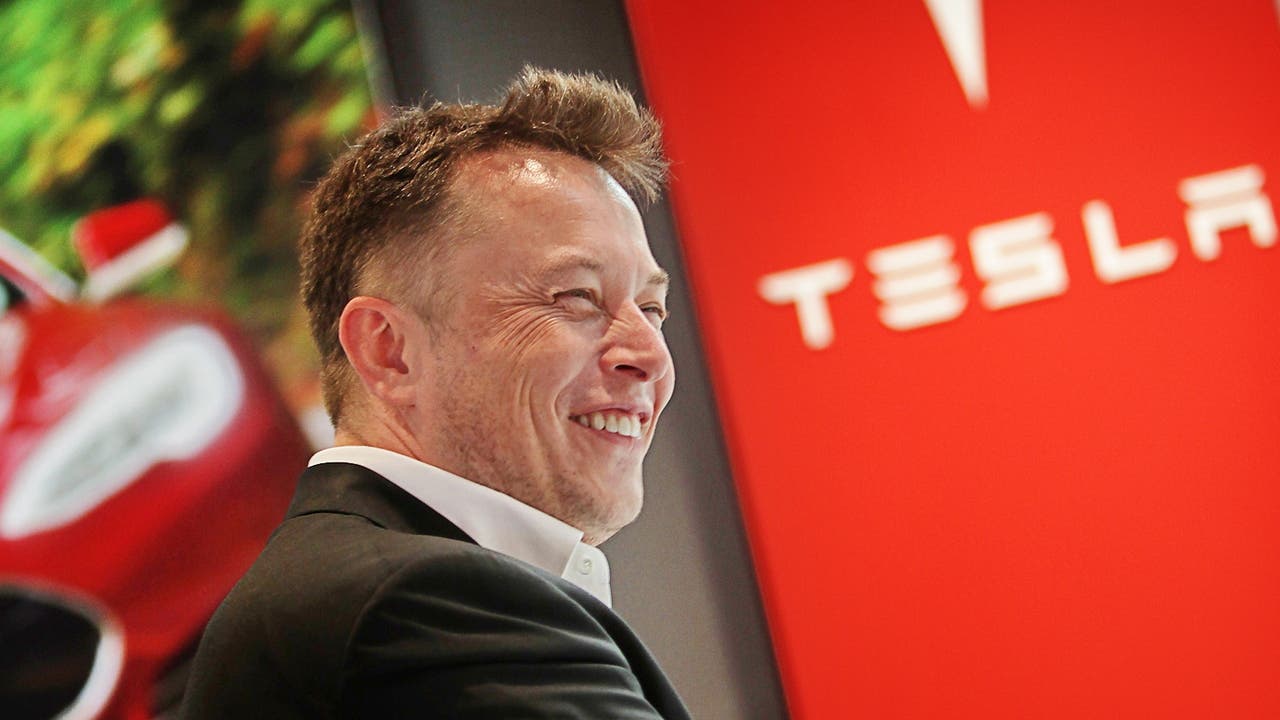
The recovery comes mainly from Europe, where Tesla appears to have regained momentum after a difficult phase. Rising fuel prices have pushed some customers toward electric vehicles, while the electrification of corporate fleets continues at a steady pace. At the same time, tensions linked to Elon Musk’s public image seem to have eased compared with recent months.
In the United States, demand remains more fragile, hurt by the end of federal incentives for electric vehicle purchases. Tesla has tried to respond by offering cheaper versions of the Model 3 and Model Y, along with financing options designed to retain more price-sensitive customers.
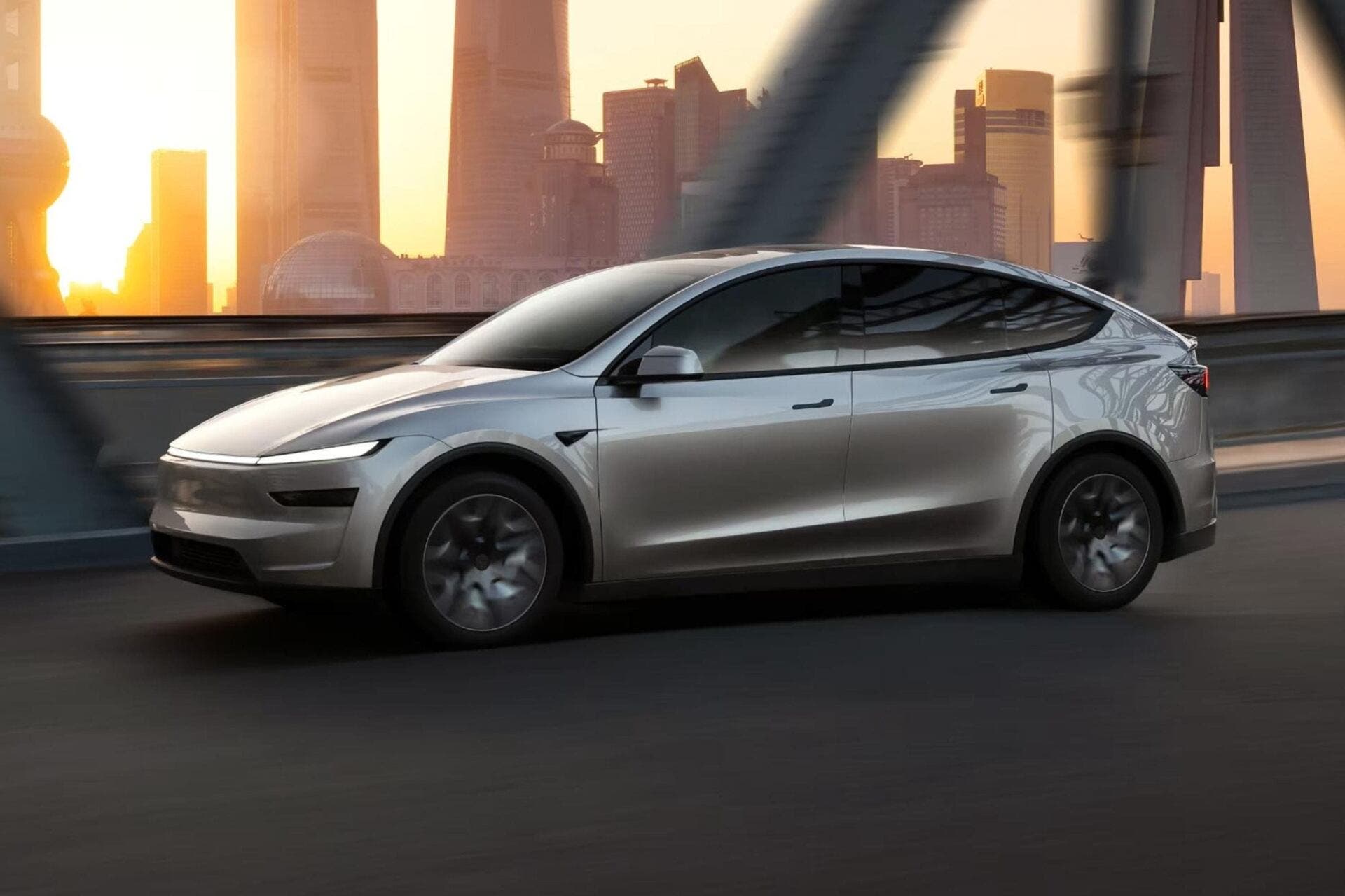
In China, pressure from BYD and other local manufacturers remains strong, although the updated Model Y has helped support sales. Tesla is now trying to replicate that result in the United States with the debut of the six-seat Model Y L.
Despite numbers above expectations, Tesla shares lost ground on the stock market immediately after the data came out, partly because investors had already priced in much of the optimism in the previous days. Markets are still looking ahead, focusing on the company’s ability to turn its promises around robotaxis, autonomous driving and artificial intelligence into real revenue. According to several estimates, these areas will still require major investment before producing measurable results at scale.
For the rest of the year, Tesla plans to allocate significant resources to expanding AI infrastructure, battery production and Cybercab development, as well as the Optimus humanoid robot program. The robotaxi service, currently active only in Austin, Texas, should expand in the coming months, while Full Self-Driving is gradually reaching some European markets, although controversy around the technology continues.
The next key date will be July 22, when Tesla publishes its quarterly results after the market closes. That report will offer a clearer picture of the real weight of these delivery numbers.