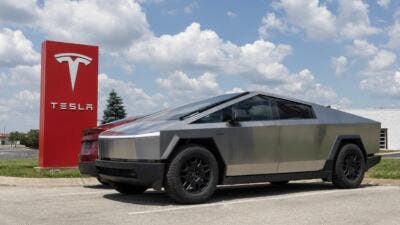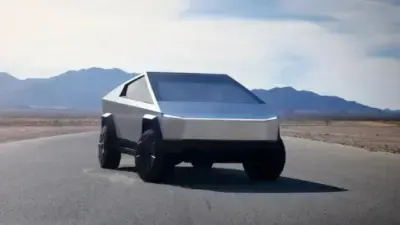
The new entry-level version of the Tesla Cybertruck, priced at around $60,000, is creating frustration among part of the brand’s long-time customer base. According to several specialist outlets, the more affordable AWD model does not qualify for the transfer of the Full Self-Driving Supervised package from another Tesla already owned by the customer.
Tesla Cybertruck buyers frustrated as cheaper AWD version excludes FSD transfer
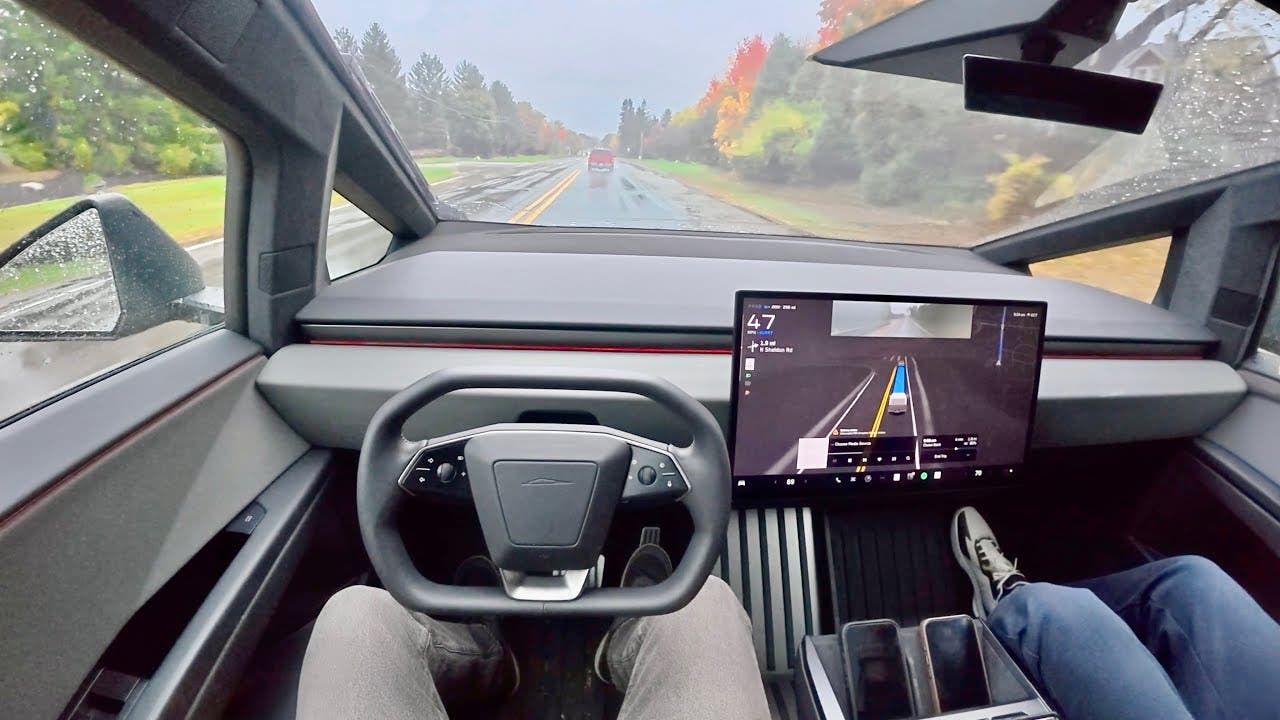
For those who previously bought FSD as a permanent option, Tesla appears to offer two main paths. They can move up to a higher Cybertruck trim, with an additional cost of around $20,000, or give up the transfer and subscribe to the $99 monthly plan. A third, effectively informal option is to cancel the order and receive a refund of the $250 deposit, a choice that several customers have reportedly already made according to online reports.
The issue mainly concerns owners of Tesla vehicles equipped with Hardware 3, a platform Elon Musk himself has described as insufficient for unsupervised autonomous driving. For these customers, transferring FSD to a new vehicle represented the most rational way to recover the value of a package often bought for several thousand dollars at the time of purchase.
The legal question revolves around the wording Tesla uses in the transfer conditions. According to the Tesla community, the support page was reportedly changed, replacing the reference to customers who “place an order” within the promotional window with wording that refers to those who “take delivery” within the same period.
That detail matters, because placing an order on time does not guarantee delivery within the required window, especially given Cybertruck production timing. Tesla’s wording still leaves room for interpretation, but it has not stopped complaints from order holders.
The controversy fits into a broader strategic shift. Tesla has stopped selling Full Self-Driving as a one-time purchase and has gradually moved attention towards the subscription model. This choice lowers the entry barrier for new customers, but it penalizes those who paid full price for the package expecting a permanent benefit that could carry over to future vehicles.
For Tesla, opening up a cheaper AWD version should have expanded the Cybertruck’s customer base. The FSD transfer controversy, however, risks neutralizing part of that effect and bringing the debate back to the consistency of the brand’s commercial conditions.