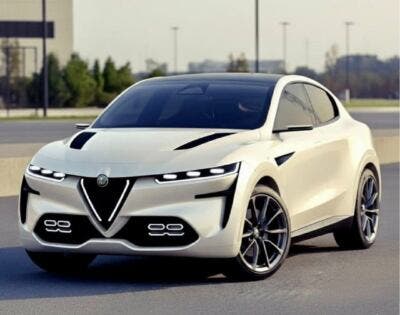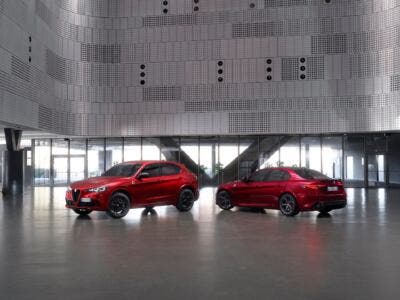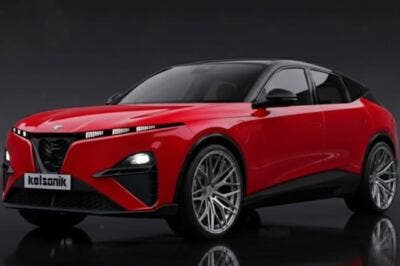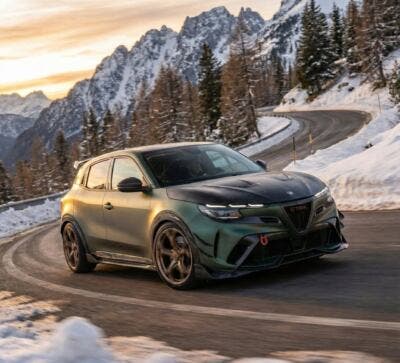
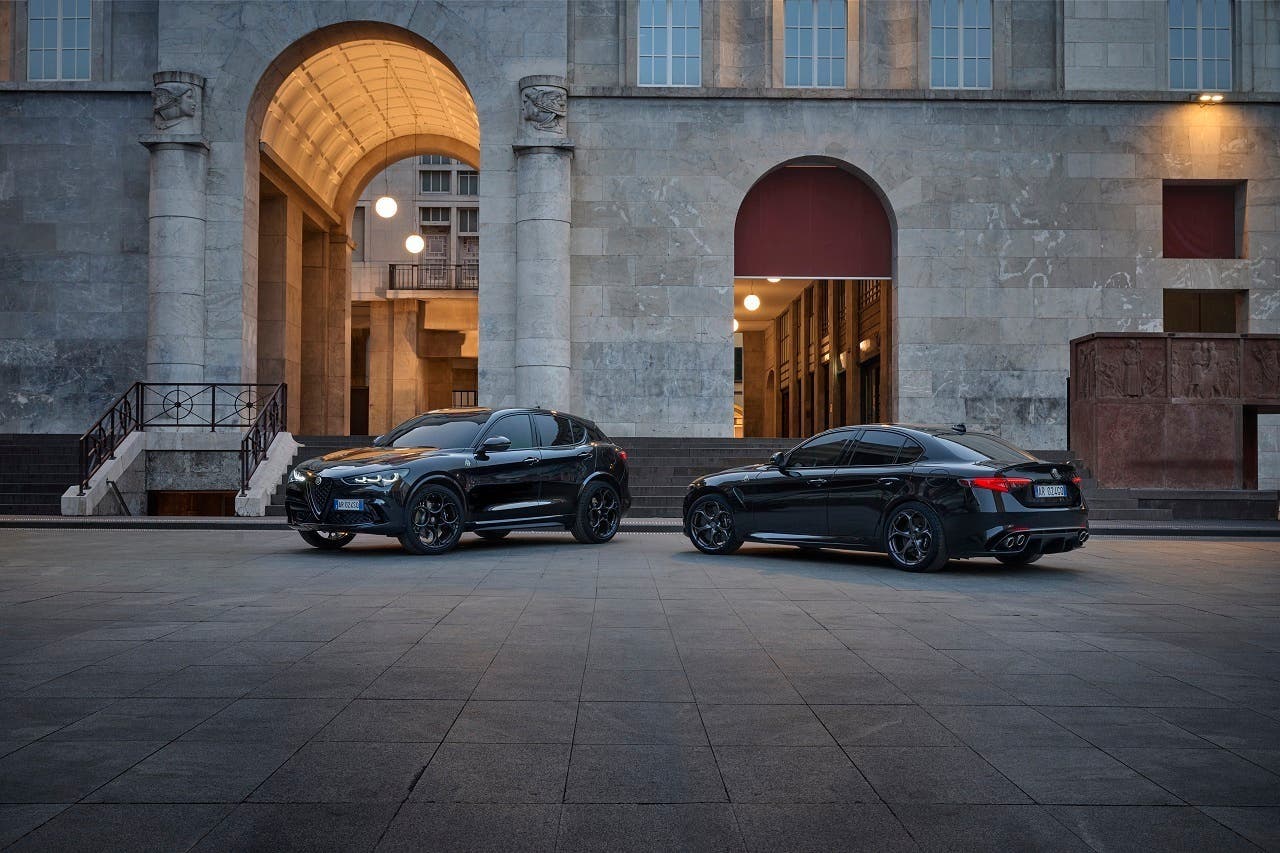
The official confirmation that the new Alfa Romeo Giulia and Alfa Romeo Stelvio have been postponed to 2028 has finally put into writing what had long circulated as speculation. Production will not begin before the middle of that year, effectively closing the door on the previously suggested 2025 and 2026 launch windows. While the news was largely expected, it still leaves several important questions unanswered.
The official explanation points to difficulties in integrating combustion engines into projects originally conceived as fully electric. However, this reasoning only partially convinces. The STLA Large platform was designed from the outset as a multi-energy architecture, and in the United States that flexibility has already proven itself without major obstacles. It therefore seems reasonable to ask why a solution that works in the U.S. suddenly becomes problematic when applied to Alfa Romeo’s new models.
If STLA Large works in the U.S., why are Giulia and Stelvio delayed until 2028?
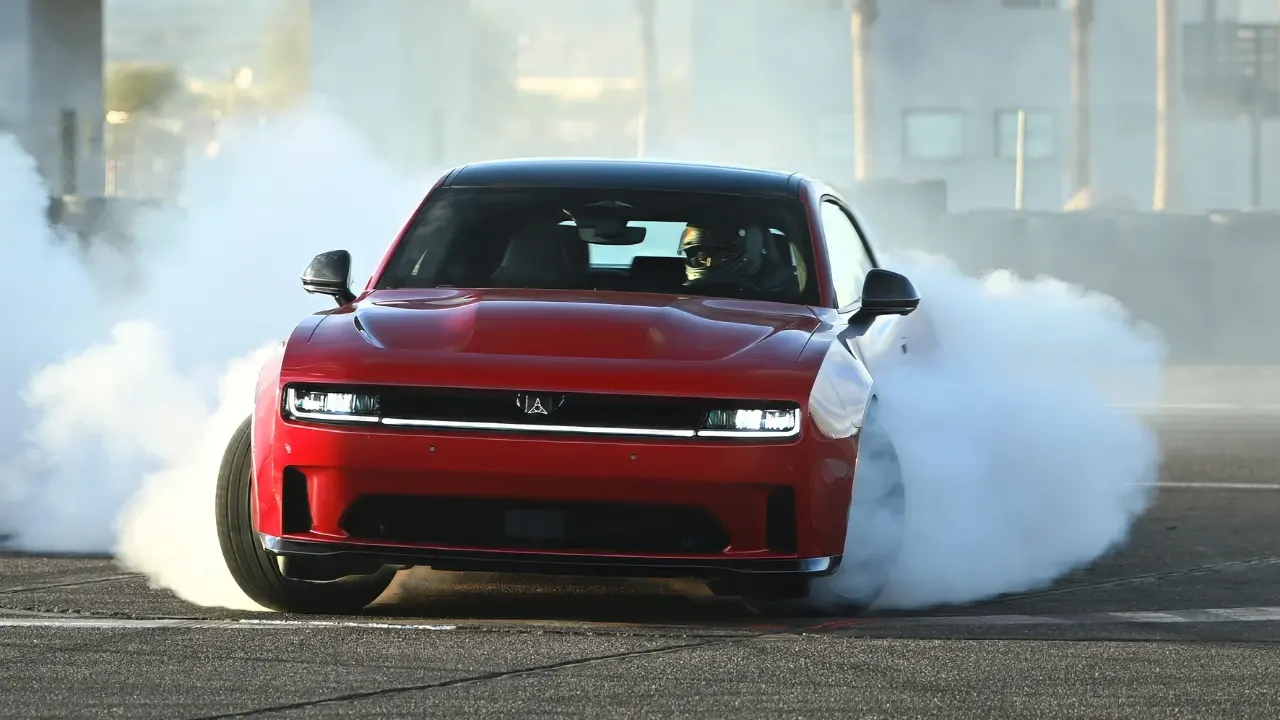
The Dodge Charger, initially announced as a fully electric vehicle, later adopted the twin-turbo 3.0-liter Hurricane inline-six, offered in 420-horsepower R/T and 550-horsepower Scat Pack variants. Similarly, the new Jeep Cherokee, introduced in 2025, launched immediately with a hybrid powertrain. Even the Jeep Recon, which also relies on the same platform, already includes electrified options beyond full electric. In none of these cases did the brands report structural delays comparable to those now affecting Giulia and Stelvio.
This context suggests that engine integration represents only part of the story. One plausible explanation is that Alfa Romeo’s new management did not fully endorse the previous projects and decided to revise them extensively. If so, the delay would reflect an almost clean restart. That scenario would explain how a launch originally planned for 2025 slipped all the way to 2028, despite the fact that Stelvio test mules had already been spotted some time ago.
Paradoxically, some enthusiasts may even view this possibility in a positive light. Early patent images failed to impress a portion of the fan base, particularly due to certain styling choices. A comprehensive rethink would imply that the renders seen so far no longer represent the final design.
A more unsettling hypothesis also circulates quietly. According to some observers, Stellantis may be buying time for broader strategic reasons. In the past, unconfirmed rumors mentioned possible discussions surrounding the sale of Maserati, with Alfa Romeo and the Cassino plant included in the same strategic perimeter. Nothing has been proven, yet the current situation inevitably fuels speculation.
Finally, there is the idea that Stellantis is simply reassessing Alfa Romeo’s medium-term direction, weighing whether to strengthen its compact offerings or reposition the brand in other segments. This explanation, however, appears less convincing, especially in light of official statements and already announced investments.
Ultimately, reducing the issue to a purely technical challenge related to combustion engines does not adequately justify a three-year delay. If that were truly the only obstacle, North American programs would have stalled as well. Given that STLA Large was conceived as a multi-energy platform from the beginning, the doubts remain more than legitimate.