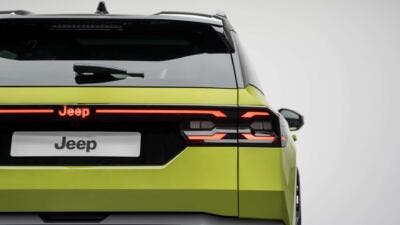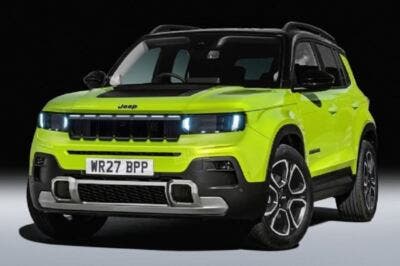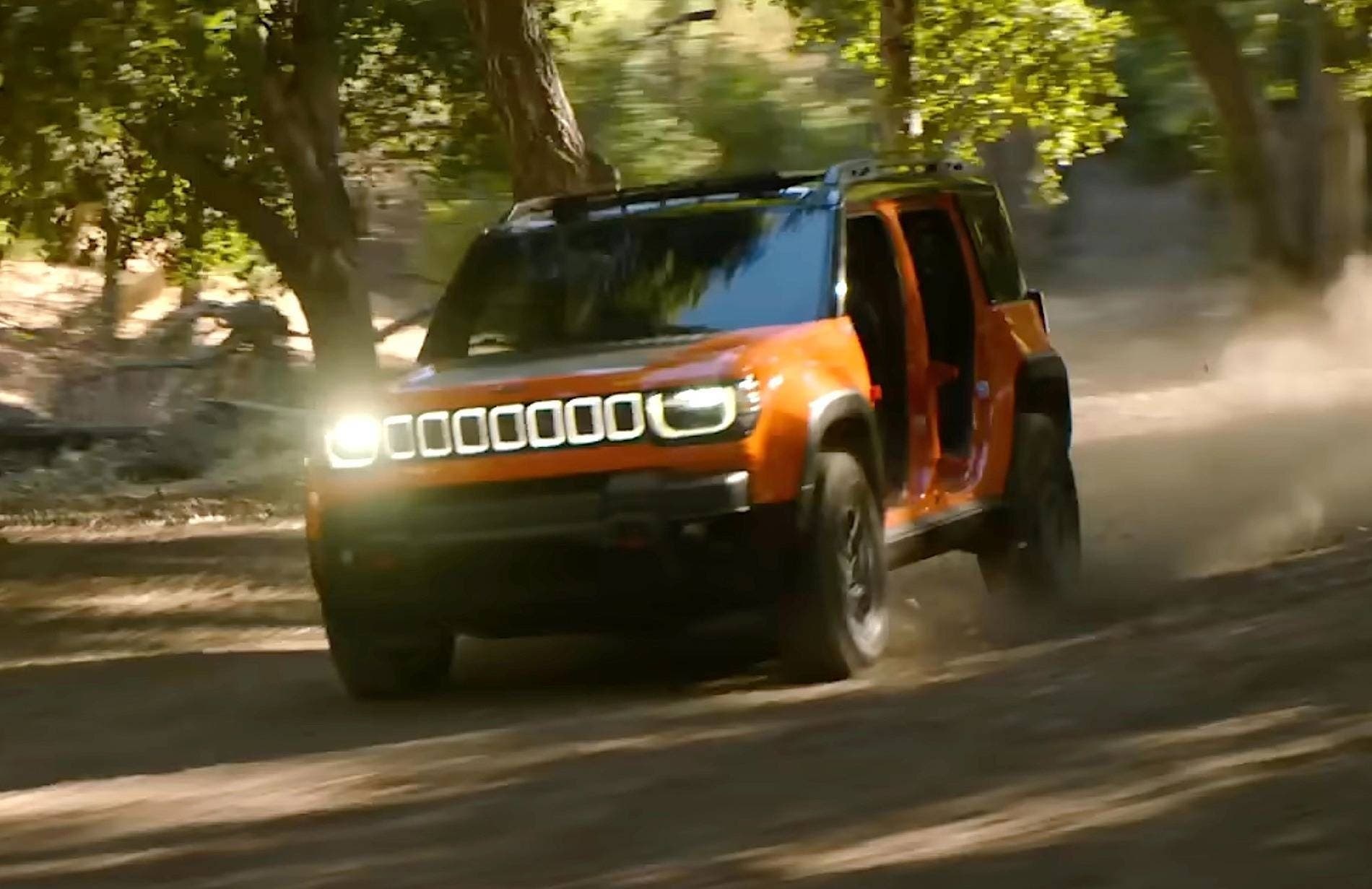
Jeep is reworking its most iconic symbol and reinventing it in electric form with the new Recon, a zero-emissions off-roader designed to carry on the legacy of the Wrangler while offering a more modern and quieter alternative. The European debut is expected in 2026, and although the styling remains faithful to tradition, beneath the familiar look lies a technical transformation that is set to spark debate, especially among the most purist off-road enthusiasts.
Jeep Recon: 660-HP electric off-roader set to carry the Wrangler legacy
For the American brand, this represents a delicate step, almost an identity challenge. After exploring electrification with models such as the Avenger and raising the bar with the refined Wagoneer S, Jeep is now entering the most sacred territory of its history: the realm of true off-roading. The Recon is not conceived as a lounge SUV, even though it will feel at ease in urban environments. Its inspiration is clear and direct, the Wrangler, from which it draws its uncompromising spirit.
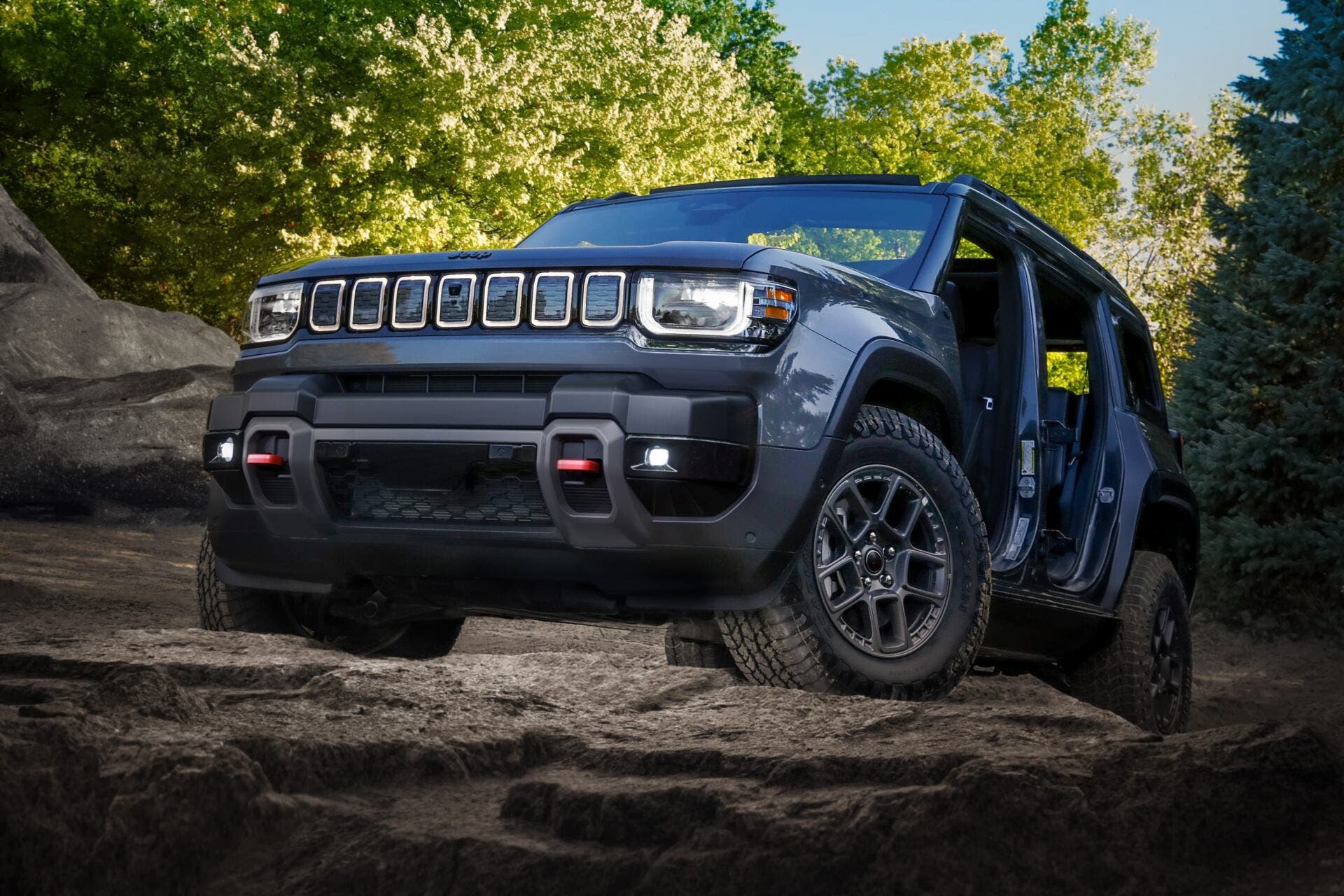
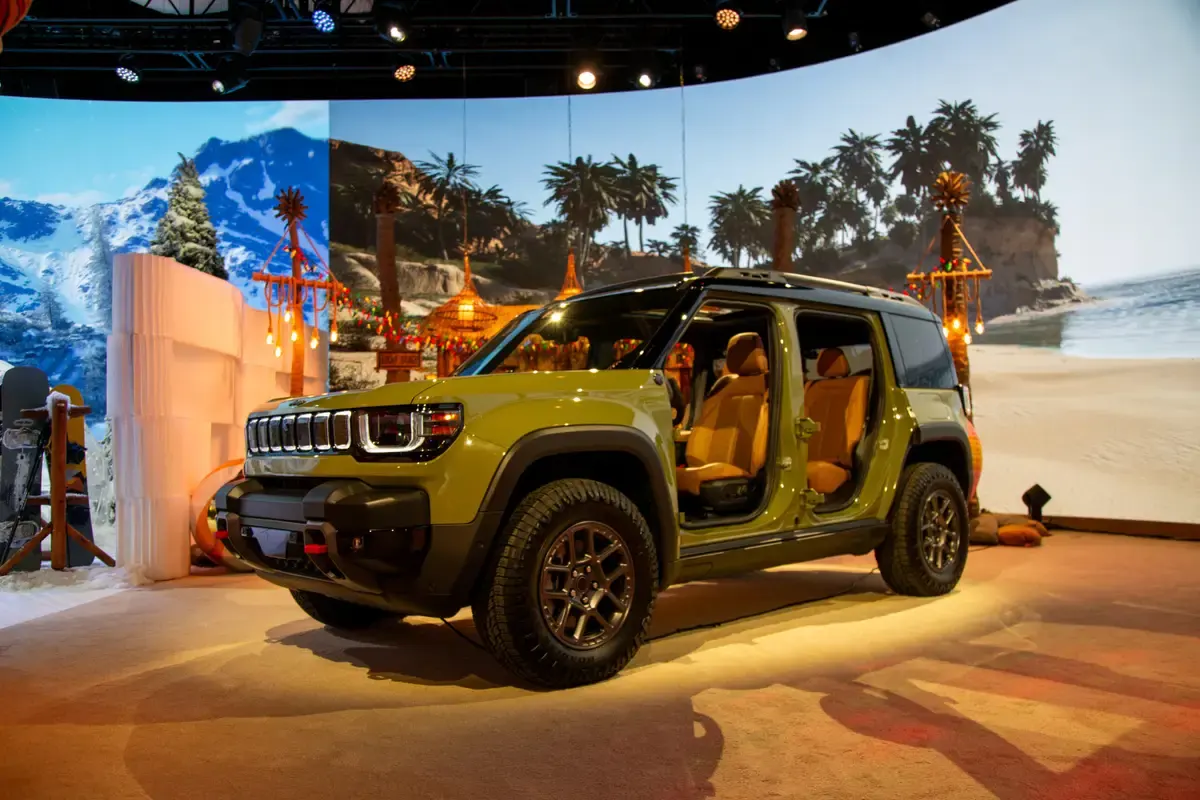
From a styling perspective, the impact is immediate. At 193.3 inches long (4.91 meters) and nearly 74.8 inches wide (1.90 meters), the Recon has imposing proportions and makes no attempt to hide them. The surfaces are sharp, the hood is flat, the sides are vertical, and the squared glass areas recall the aesthetics of classic large off-roaders. The iconic seven-slot grille, a true Jeep trademark, is of course present. The overall look is deliberately massive and angular, a visual language that in the 4×4 world amounts to a clear statement of intent.
One of the most appreciated elements among enthusiasts is the modular body design. As on the Wrangler, the Recon allows the doors to be removed, the rear window to be opened separately, and open-air driving to be fully enjoyed. Jeep wanted to preserve that total sense of freedom that has always been one of the brand’s pillars. The interior blends ruggedness and technology. At the center of the dashboard sits a large 14.5-inch display, which controls most vehicle functions, including climate control, a modern choice that has also drawn some criticism from those who prefer physical controls for off-road use.
The real revolution, however, is beneath the bodywork. The Recon abandons the traditional body-on-frame chassis in favor of Stellantis’ STLA Large platform, a monocoque structure designed for electric vehicles. In terms of on-road comfort and high-speed stability, the leap forward compared to the Wrangler will be substantial. The big question remains whether a monocoque can withstand, over time, the extreme stresses of hardcore off-roading. Jeep, for its part, says it is fully confident in this choice.
Power is one of the main talking points. The Recon uses two electric motors, one on each axle, for a total output of 660 horsepower and an immediate torque delivery of 620 lb-ft (840 Nm). These are formidable figures for any vehicle, even more so for an off-roader weighing about 6,173 lb (2.8 metric tons). Despite this, acceleration is lightning-fast, with a 0–60 mph time of about 3.5 seconds (0–100 km/h in 3.7 seconds).
As for all-wheel drive, there is no traditional mechanical low-range gearbox. Instead, electronics take over, with active torque management, an electronically locking rear differential, and an open front differential. Approach and departure angles exceeding 33 degrees and short overhangs promise excellent off-road capability. Claimed driving range is about 280 miles (around 450 km), a suitable figure for everyday use but one that inevitably raises questions for more extreme expeditions far from charging infrastructure.
Production is scheduled to start in Mexico in early 2026, with dealership arrivals expected by the end of the same year. Pricing has not yet been officially announced, but estimates point to a high figure, in line with its premium positioning and the performance of a true electric “monster.”