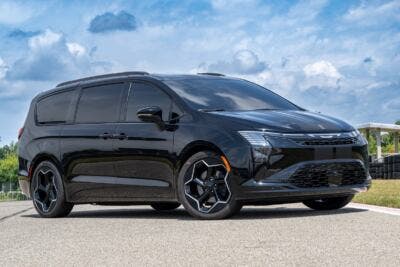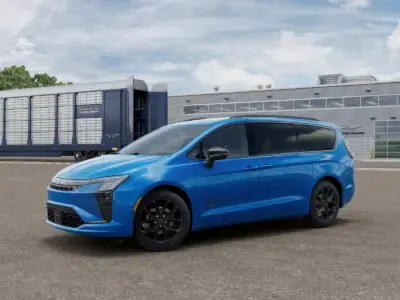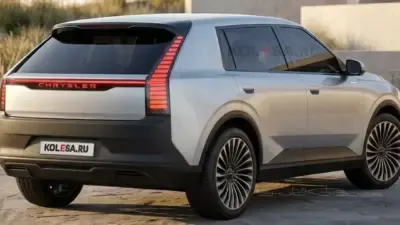
Chrysler currently exists in a state of purgatory, keeping the lights on by selling precisely one vehicle, the Pacifica. While the Pacifica is an undeniably competent minivan, relying entirely on a family hauler in an American market that treats minivans like radioactive cargo is a bold strategy, to put it mildly. Enter the long-awaited Chrysler Airflow crossover, the brand’s desperate attempt to rejoin the modern automotive ecosystem.
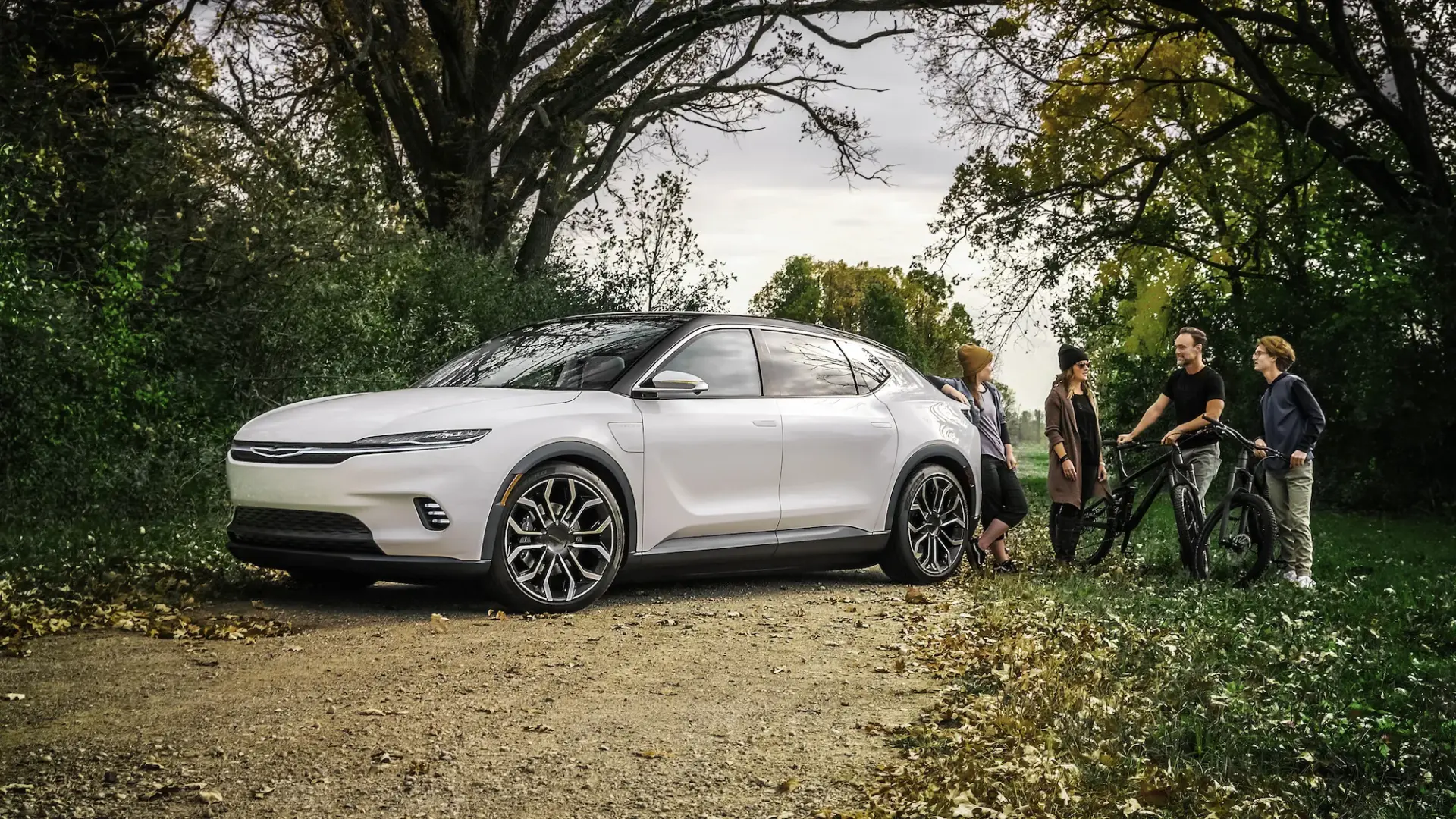
If you remember the 2022 Airflow concept, forget it. That smooth, rounded electric bubble was deemed far too soft for today’s aggressive suburban driveways. Before her departure, former Chrysler chief Chris Feuell ordered a complete course correction toward a boxier, more vertical silhouette that actually aligns with current buying trends.
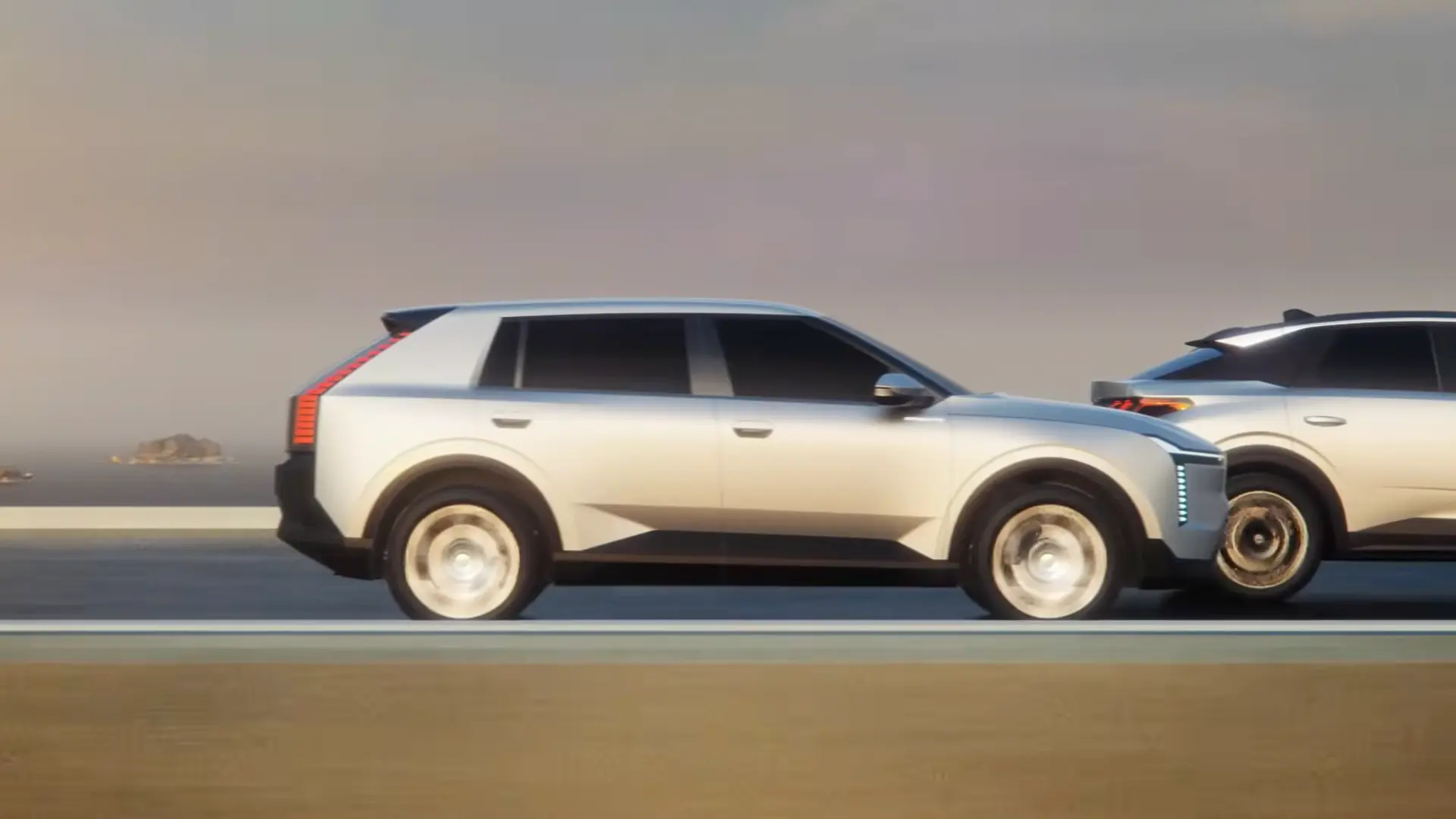
The result drops the sculpted curves in favor of flat panels, a full-width LED lightbar anchored by an illuminated badge, a generous lower trapezoidal grille, and towering vertical taillights.
Crucially, Chrysler aims to price this midsize crossover under $40,000, throwing it directly into America’s most overcrowded and cutthroat market segment where survival is never guaranteed.
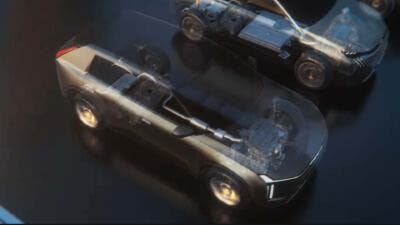
Underneath the newly hardened shell lies Stellantis’s STLA One platform, a modular architecture designed to trim development timelines, simplify engineering, and slash production costs by a cool 30 percent.
More importantly, STLA One is aggressively agnostic when it comes to propulsion. Realizing that forcing pure electric vehicles onto a hesitant public is a tough sell, Chrysler is offering options. Gas purists get the new 2.0-liter Hurricane 4 Turbo engine, eco-conscious drivers get a plug-in hybrid option, and EV adopters get a fully electric variant powered by lithium iron phosphate (LFP) batteries. LFP tech cuts costs and reduces dependence on volatile critical raw materials compared to nickel chemistry, while 800-volt architecture guarantees rapid charging. Throw in available all-wheel drive, and Chrysler finally has a competent five-passenger contender.
On the tech front, the Airflow acts as a rolling showcase for the STLA Brain centralized software architecture, managing over-the-air updates, ADAS safety suites, and core vehicle parameters alongside the debut of the brand’s STLA SmartCockpit infotainment system.
While technically slated under Stellantis’s broader 2030 plan, Chrysler is fast-tracking the launch. When your entire product lineup consists of a solitary minivan, waiting around simply isn’t an option.