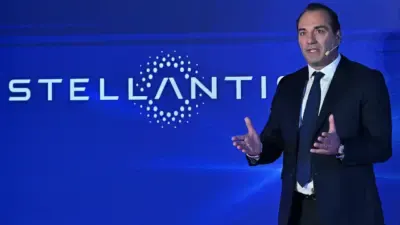
Stellantis firmly denied the reports amplified by Bloomberg about possible talks with Chinese automakers such as Xiaomi and Xpeng over deals involving group brands and European plants, as well as the idea of a split between its European and American operations. The group led by Antonio Filosa described the reports of an internal breakup as pure fiction, stressing that its regular contacts with different players across the industry fall within the normal activity of a global carmaker and do not point to extraordinary negotiations or already defined plans.
Stellantis denies talks with Xiaomi and Xpeng over brands and European plants
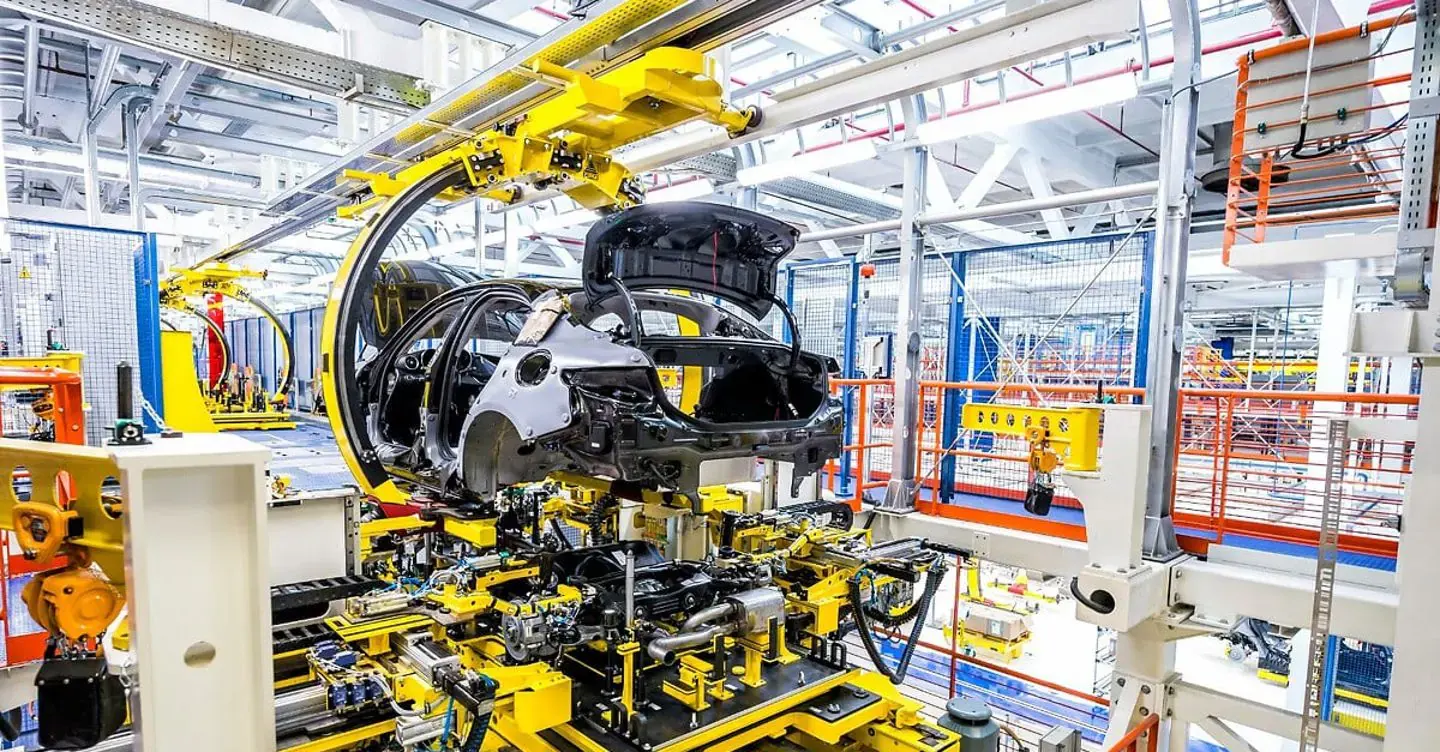
What pushed attention higher in recent hours was above all the scale of the names involved in the reports. According to the circulating claims, the options under discussion ranged from opening some Stellantis brands to outside investors to sharing production capacity at European plants, with Chinese carmakers potentially gaining an industrial base on the continent while Stellantis would gain more direct access to electric-vehicle, battery, and software expertise. An article from the Italian outlet Fatto Quotidiano added further weight to the speculation by suggesting that any possible talks with Xiaomi could involve Alfa Romeo, Maserati, and two particularly sensitive Italian sites such as Modena and Cassino.
Maserati’s reported involvement triggered the strongest reactions. The Trident brand is going through a phase in which industrial and commercial recovery has become the central issue, and seeing its name linked to possible Chinese investors inevitably touched a nerve, both for those who might view such a move as pragmatic and for those who would find it difficult to accept on the level of brand identity.
The context in which these reports surfaced is no coincidence. Xiaomi and Xpeng are now fast-rising players in the global market and are becoming increasingly visible in Europe, while major Western groups are dealing with high costs, a slower-than-expected EV transition, pressure on margins, and competition that grows more intense quarter after quarter. In that kind of environment, the idea of technological or industrial agreements between European and Chinese automakers does not seem far-fetched, and several observers believe that sooner or later some deal of this kind could actually take shape, whether at Stellantis or elsewhere in the industry.
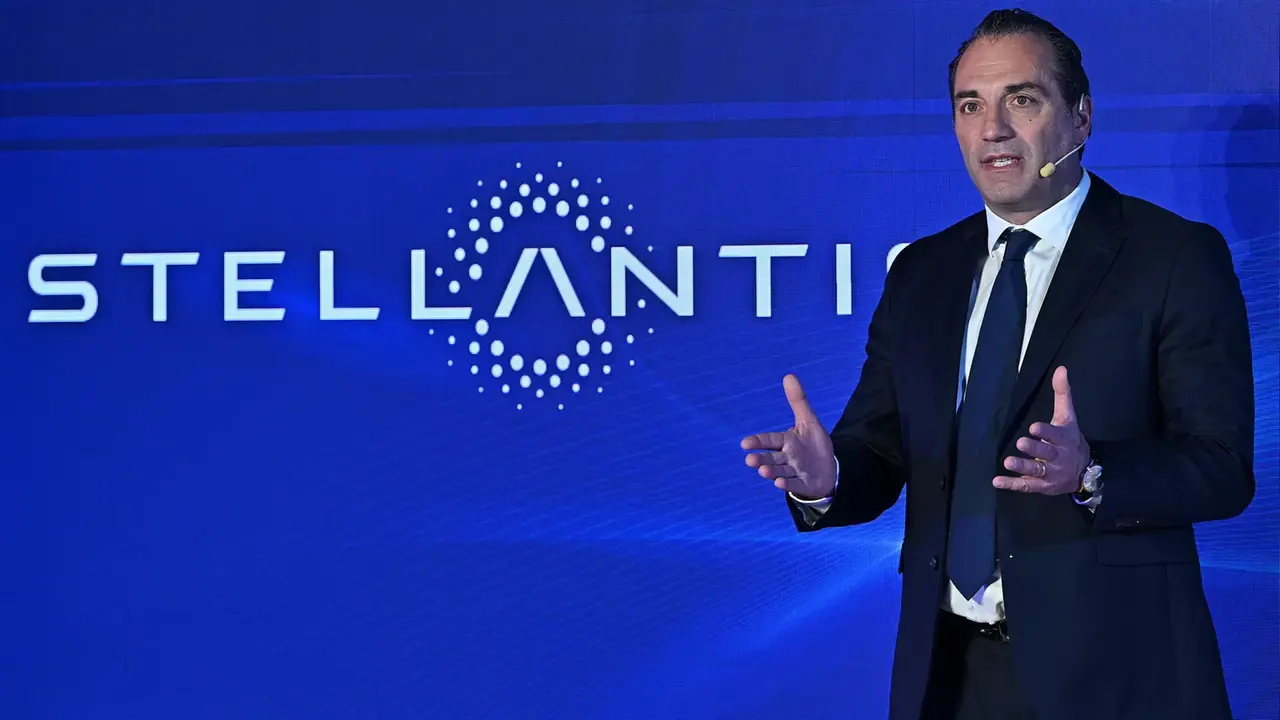
The reported idea of a split between Europe and the United States fit into an even broader reading tied to geopolitical tensions, American restrictions on Chinese technology, and the major investments Stellantis has already launched in North America. On that point, the group issued an especially firm denial, consistent with what Filosa had already suggested in his more recent remarks when he ruled out radical changes to Stellantis’ structure.
For now, the whole story remains in the realm of speculation without official confirmation, but it has highlighted just how sensitive any discussion has become when it brings together Stellantis, China, and symbolic brands of the Italian automotive industry. That combination alone is enough to generate a level of attention and concern that is difficult to contain, regardless of what may really be happening behind the scenes.