In recent hours, rumors have resurfaced about possible contacts between Stellantis and some Chinese automakers, with speculation about new partnerships aimed at strengthening the group’s presence in Europe. Among the companies most frequently mentioned are Xiaomi and Xpeng, two firms that have gained significant momentum in the global electric vehicle sector in recent years. The speculation ranges from sharing software and technologies to potential investments in some of Stellantis’ European brands. In some reports, Maserati has also been mentioned, a detail that alone shows how sensitive the topic is.
Stellantis may seek Chinese partnerships to reinforce its European position
For now, the situation remains highly uncertain. Xpeng has declined to comment, Xiaomi has not responded, and Stellantis has simply reiterated that the group maintains regular contacts with various industry players around the world without addressing the specific rumors. There is no official confirmation, but according to several sources, discussions with certain Asian companies have been ongoing for some time to explore potential industrial, production and technological synergies.
More than the actual existence of these negotiations, what stands out is how persistently they continue to circulate, and that says a great deal about the moment Stellantis is facing in the European market. While the group continues to invest heavily in internal combustion models in the United States, focusing on brands such as Jeep, Ram, Chrysler and Dodge, the situation in Europe appears considerably more complex. The transition to electric vehicles is moving more slowly than expected, costs remain high, competition is intensifying and brands such as Fiat, Opel and Peugeot must navigate deep changes in a market that does not always evolve according to the timelines outlined in industrial plans. Added to this is the issue of excess production capacity, which makes every discussion about plant stability and the sustainability of the European business even more delicate.
Alongside speculation about potential Chinese partners, there has also been talk of a possible internal rebalancing between the group’s European and American operations. However, this point has reportedly been denied. There appears to be no plan to separate Stellantis’ two main regional pillars. Instead, the focus seems to lie on understanding how to better balance a global presence that currently moves at very different speeds on the two sides of the Atlantic.
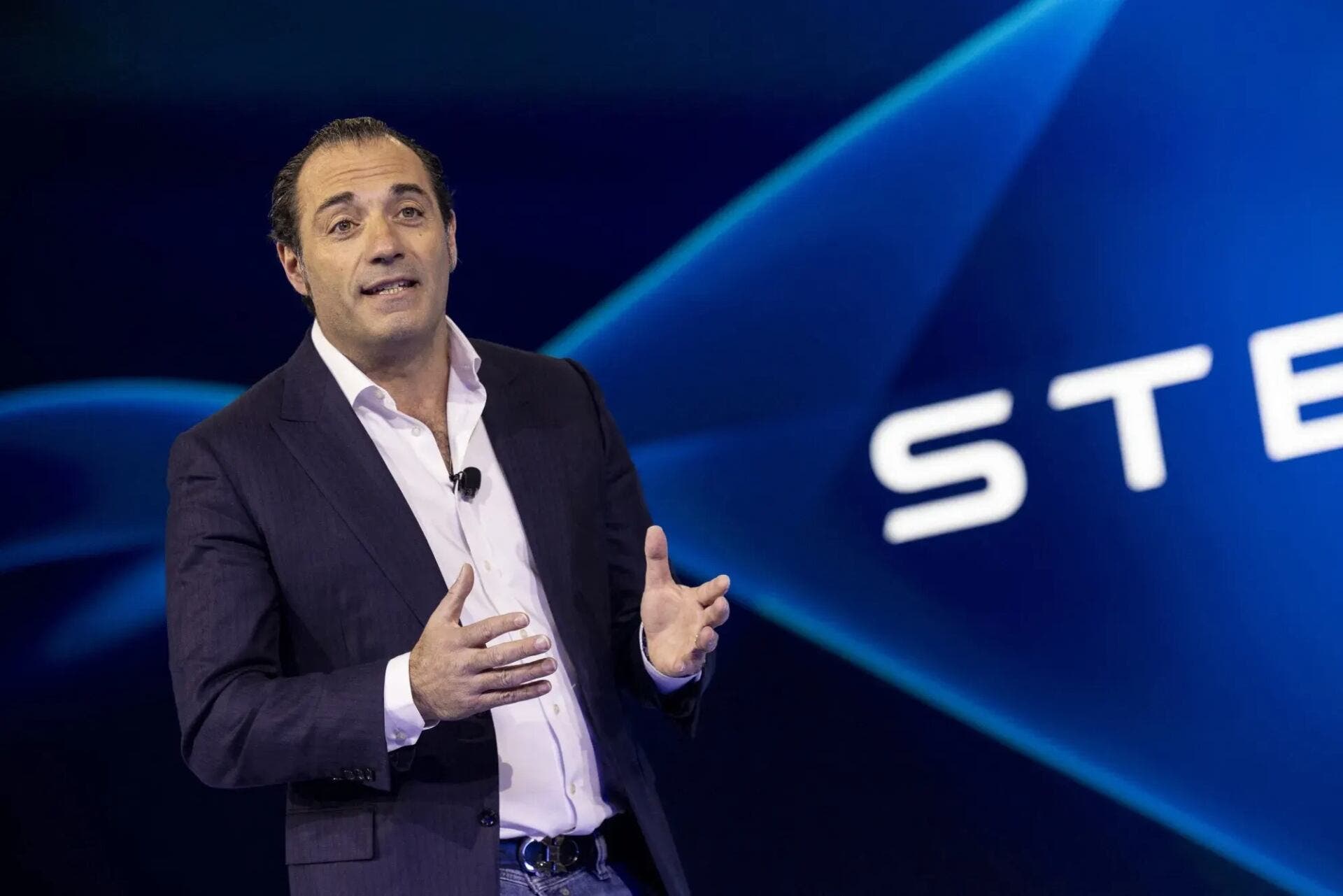
Antonio Filosa, who will present the group’s new strategic plan on May 21, faces a complex task. Since taking leadership of the company, he has had to reorganize a structure that came through months marked by a controversial cost-cutting policy, doubts about the energy strategy, signs of weakness in key markets and multi-billion-euro write-downs that increased pressure on management.
The partnership already launched with Leapmotor likely offers the clearest example of the path Stellantis might pursue, with targeted alliances, a focus on affordable electric vehicles and software development as possible pillars of its European strategy. The real direction of the group, however, will become clearer on May 21, at a time when the most urgent challenge remains finding a credible strategy for a market that so far has proven the most difficult to manage.