

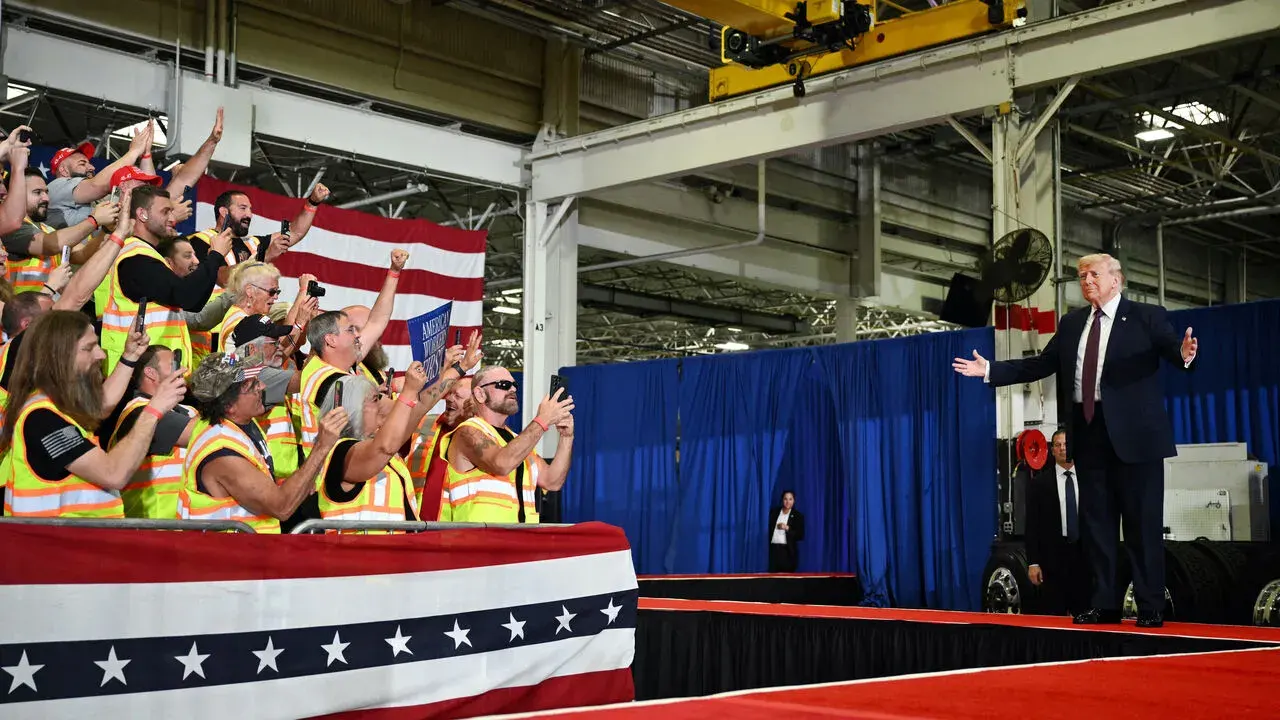
Donald Trump recently took to Truth Social to proclaim that he single-handedly “revived and saved” the American auto industry through tariffs. However, back in the actual reality of automotive manufacturing, trade data and industry executives are watching production figures slide, sales slip, and supply chains dangerously fray.
Far from orchestrating a glorious Detroit renaissance, the administration’s escalating trade war with Canada, which includes slapping a staggering 50% tariff on vehicles and auto parts starting January 2027, looks like shooting your own engine block to fix an oil leak.
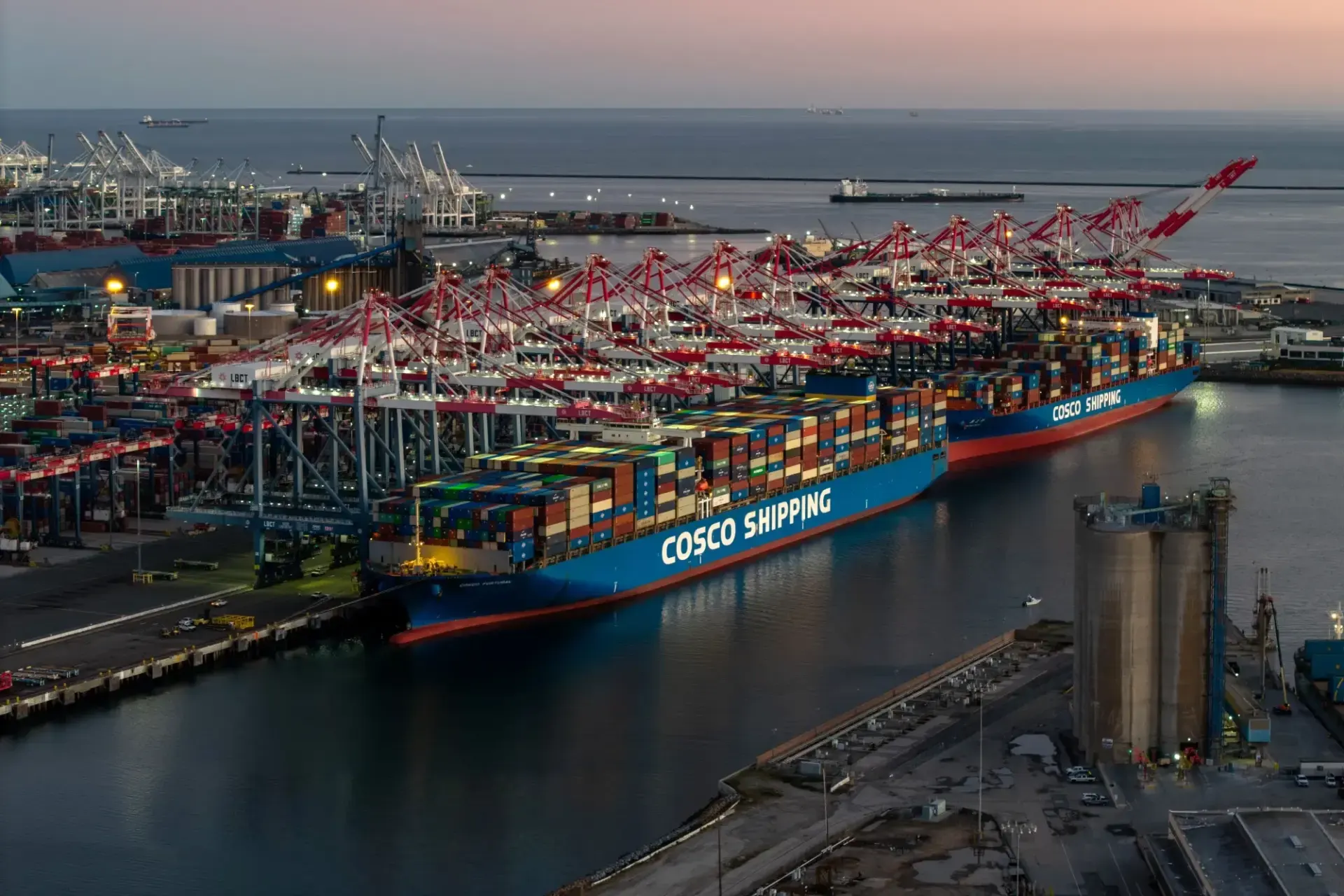
The fundamental flaw in treating Canada like a hostile trade rival is that the North American automotive sector is not two competing teams. It is one deeply intertwined assembly line. Parts routinely cross the US-Canadian border up to eight times before a finished vehicle rolls off the lot. With $100 billion in cross-border automotive trade recorded in 2026 alone, severing these ties ignores six decades of manufacturing integration.
Canadian buyers are already shifting order books toward South Korea and Mexico, causing US-made vehicle imports into Canada to drop from 49% down to 36%. Meanwhile, Ottawa’s reciprocal 50% tariffs taking effect in September 2026 will hit Michigan manufacturing square in the radiator, given that Canada purchases roughly 40% of the state’s exports.
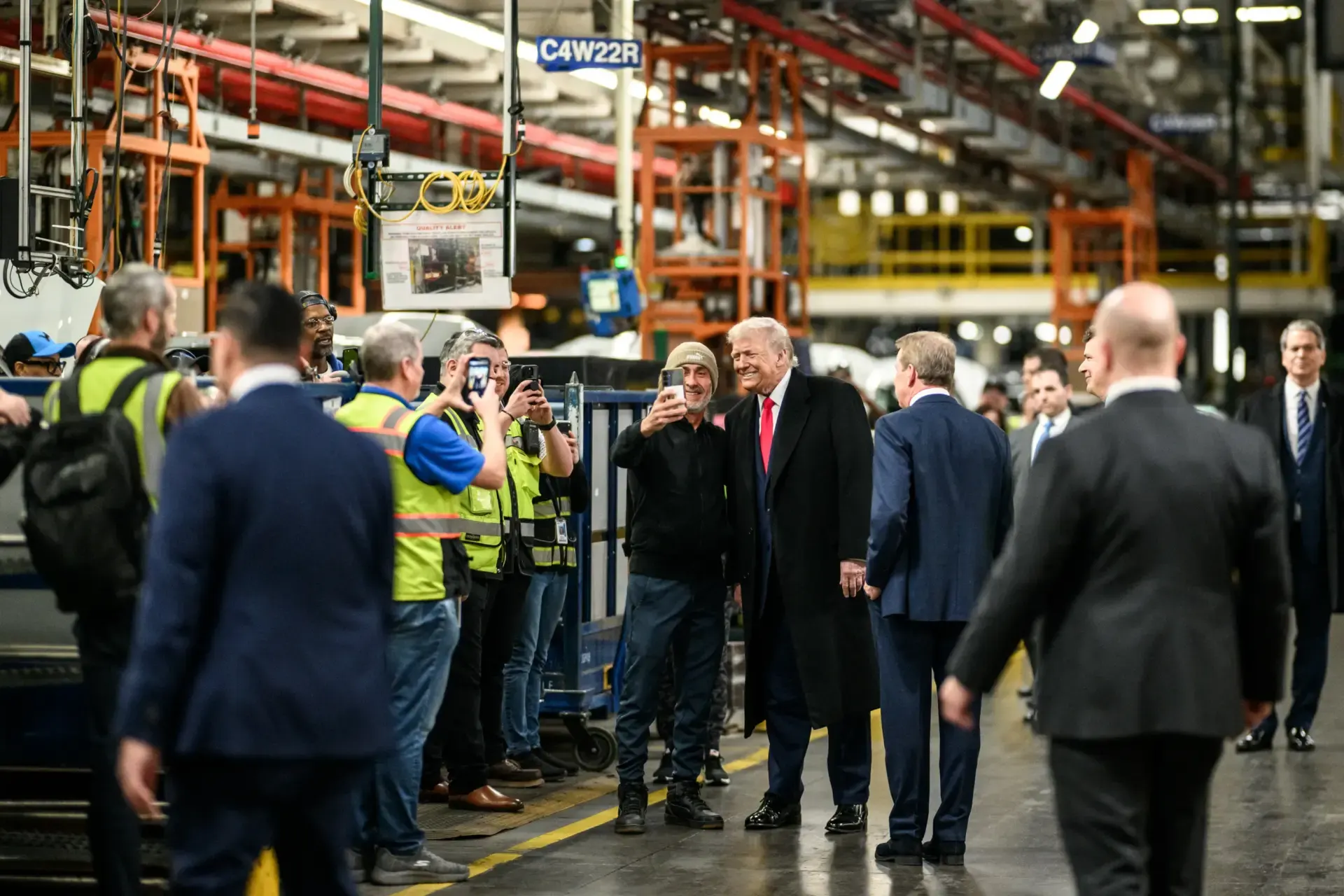
Despite presidential claims that Ford’s Dearborn Truck Plant is safe from imminent closure to run 24/7 as a global goldmine, the Detroit Three are feeling the burn. Ford expects $1 billion in tariff-related costs this year while reporting a 10% second-quarter sales slump. General Motors fared little better, watching sales drop 6.8% in the first half of 2026.
Ironically, southern assembly plants housing foreign brands like Toyota, Hyundai, and Honda remain cushioned thanks to localized supplier networks, leaving Michigan, Ohio, Indiana, and Illinois to absorb the brunt of political bravado.
With the global auto industry absorbing over $35 billion in tariff-induced losses, US automotive employment dropping over 2% annually, and stagnating consumer demand squeezing dealership lots, declaring victory feels premature. Punishing your biggest export customer and starving domestic plants of vital components will not save Detroit.