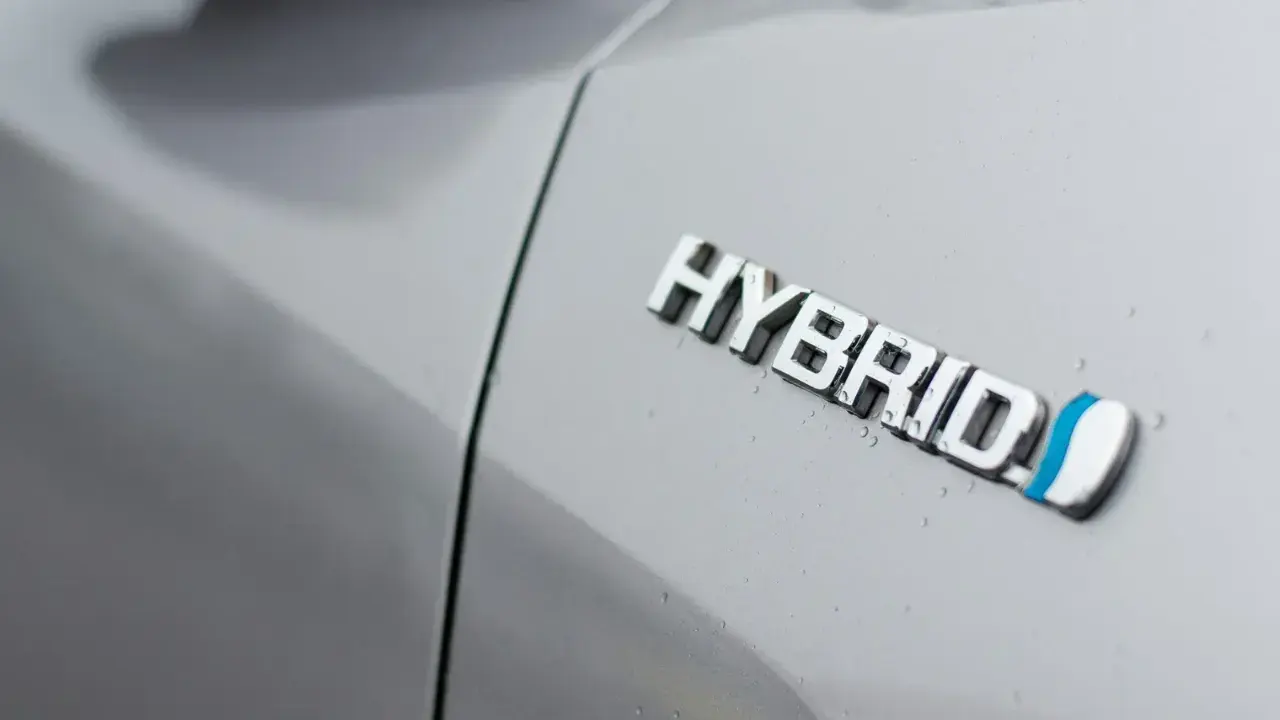
For the last several years, the masterminds steering General Motors, Ford, and Stellantis smugly poured every single available cent into a purely battery-electric fantasy. They collectively ignored a blatant, glaring market reality that Toyota had already proved over decades: American consumers actually want hybrids.
Now, as the first half of 2026 wraps up, the corporate hangover has officially set in for the Big Three. Detroit aggressively chased a regulatory trend, while Toyota quietly waited out the media storm, proving that being labeled “too slow to adapt” often just means you know how to read a market spreadsheet.
Winning the hybrid war has left Toyota with a very small problem: an utterly chaotic explosion of product complexity. Industry data highlights that Toyota has more than doubled its United States lineup over the past three decades to a staggering 21 models. The result is total showroom anarchy. When a 2026 RAV4 XSE Hybrid somehow ends up window-sticker priced at $2,200 more than a physically larger, base-model Highlander, it is clear the product planners have completely lost the plot.
Drowning in an absurd six to nine different trim variations per vehicle line, Toyota is now facing unique operational hurdles, scrambling to slash those options down to a clean, manageable three before confused consumers throw up their hands and buy a Honda, Hyundai, Kia, or Subaru instead.
Still, suffocating under excessive consumer demand is a luxury Detroit executive suites can only dream of right now. Driven by Middle Eastern geopolitical tensions and an ongoing conflict with Iran that has sent global oil and domestic pump prices through the roof, a massive 56% of in-market car shoppers are sprinting directly into the arms of hybrid efficiency.
Traditional gas-electric volume has skyrocketed an 82% since 2023, capturing an all-time high 14.1% of the total US automotive market share across 49 distinct models. Meanwhile, pure battery electric vehicles and plug-in hybrids are rapidly cooling off, starved of the federal tax incentives that previously kept their inflated MSRPs afloat.