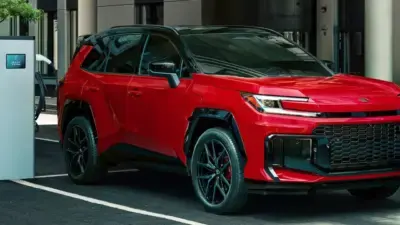
Toyota closed 2025 as the world’s best-selling automaker for the sixth consecutive year, setting a new all-time record and further widening the gap over its main rivals. The Japanese group, including Lexus, Daihatsu and Hino, reached 11,322,575 vehicles sold globally, up 4.6% from the previous year, with Volkswagen now trailing by a wide margin below the 9 million-unit mark.
Toyota sold more than 11 million vehicles in 2025, largely thanks to hybrids
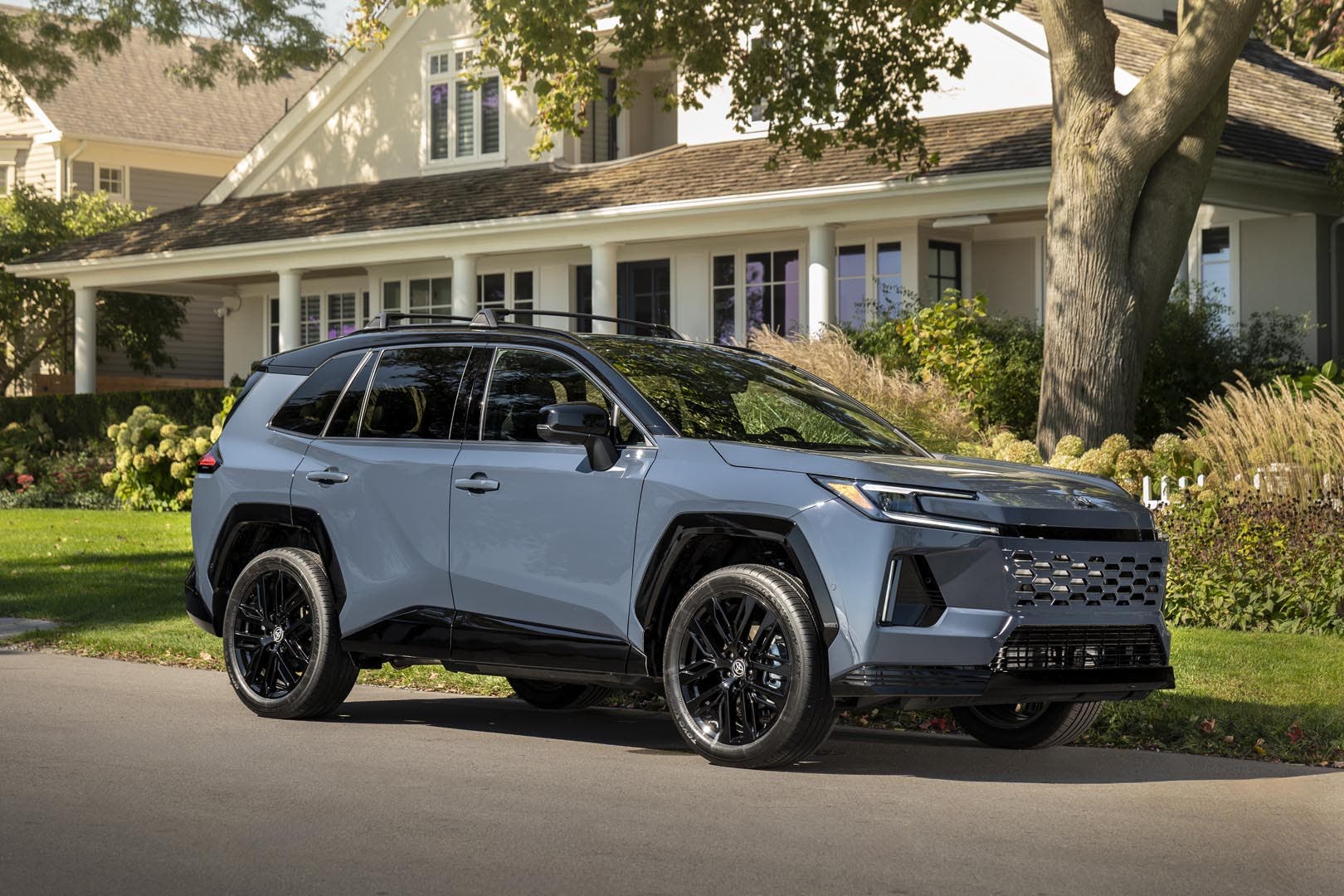
The sales mix played a central role in this result. Full hybrid vehicles accounted for around 42% of the group’s total volume, equal to almost 4.7 million units. Fully electric cars, by contrast, still represented only about 1.9% of the total. That small share shows how Toyota’s leadership rests on very different foundations from those of rivals such as BYD and Tesla, which continue to fight for leadership in the battery-electric segment.
The geographic distribution confirms the strength of this model. The group sold around 3.28 million vehicles in Asia, nearly 2.93 million in North America, about 1.5 million in Japan and more than 1.18 million in Europe. In all these markets, especially the United States, Japan and Europe, hybrid technology has now become a familiar choice for a very broad customer base.
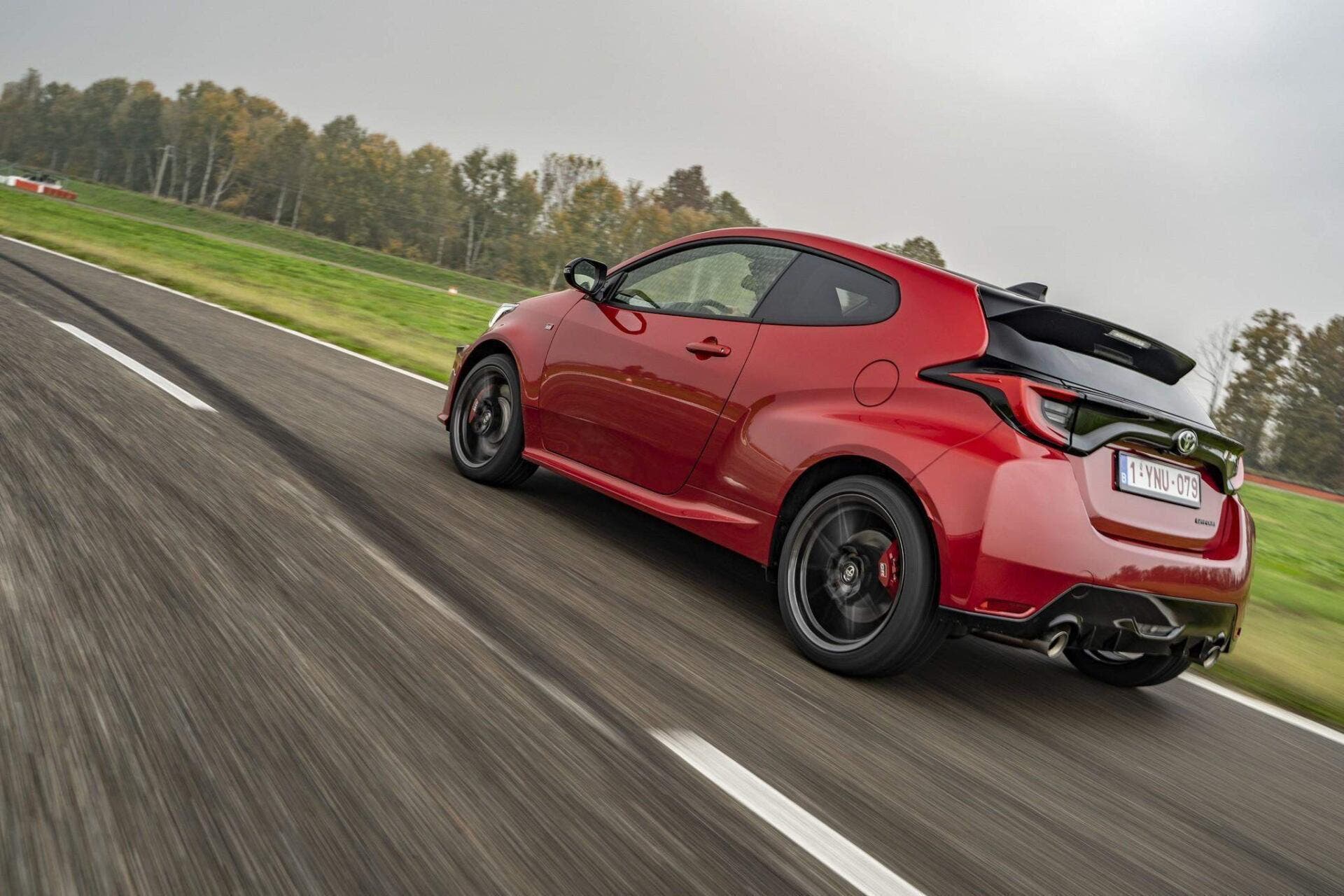
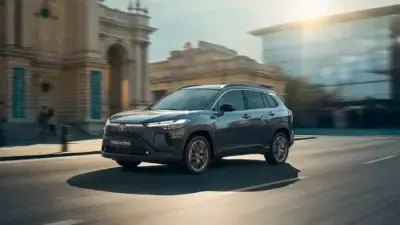
In Europe, Toyota continued to grow thanks to models such as the Yaris, Yaris Cross, Corolla, C-HR and RAV4, almost all of which rely heavily on electrified versions. The strategy that the Japanese automaker calls multi-technology does not stop at traditional hybrids. It also includes plug-in hybrids, fully electric vehicles and hydrogen, with the goal of adapting each technology to the specific characteristics of every market and to different usage needs.
This approach has allowed Toyota to move in the opposite direction from much of the industry while still holding the top position. The real question is whether this strategy will provide the same competitive advantage if demand for fully electric cars accelerates sharply in the coming years. For now, however, the 2025 numbers suggest that the global market has not rewarded only those who pushed hardest into EVs, but also those who managed the timing of the transition with more gradual precision.