

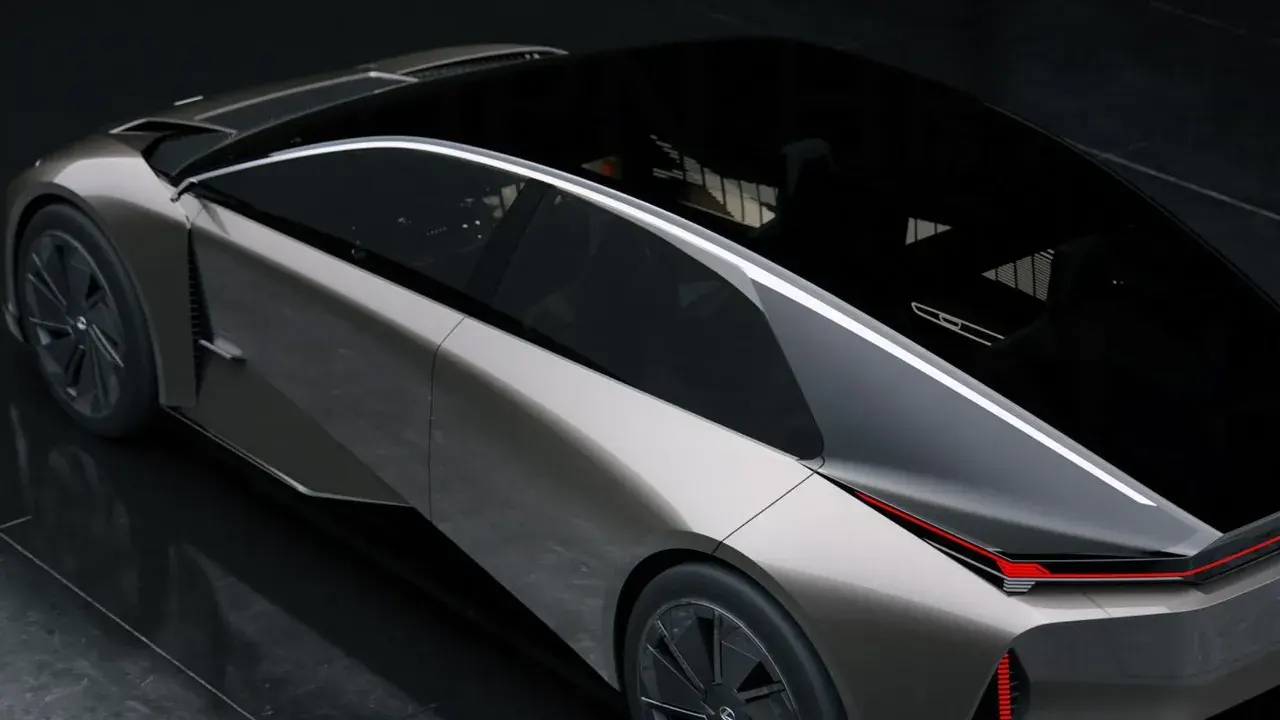
Toyota spent the last decade hugging its hybrid patents looking at the electric vehicle market with the same suspicion a tech-phobe has for the cloud. They spent years preaching that batteries were a dead end. But then reality hit them like a freight train in the fast lane. The market didn’t just turn the corner. It left them at the gas station. Now, the Japanese giant is scrambling to announce a “miracle” for 2027: a dedicated EV platform. Better late than never?
Lexus is the one tasked with the dirty work of scrubbing the brand’s image and closing a gap that’s frankly embarrassing. Because let’s face it, Toyota’s current EV lineup, the bZ4X, which sounds more like a forgotten Wi-Fi password than a car, and the C-HR+, isn’t exactly making anyone at Tesla or BYD lose sleep.
This new 800V architecture promises “holy grail” numbers: charging from 10% to 80% in twenty minutes and a claimed range of 1,000 kilometers. It’s a revolution that puts everyone on notice. On the actual asphalt? We’ll see if these miraculous batteries actually exist or if we’re just reading another chapter in the big book of auto show fairy tales.
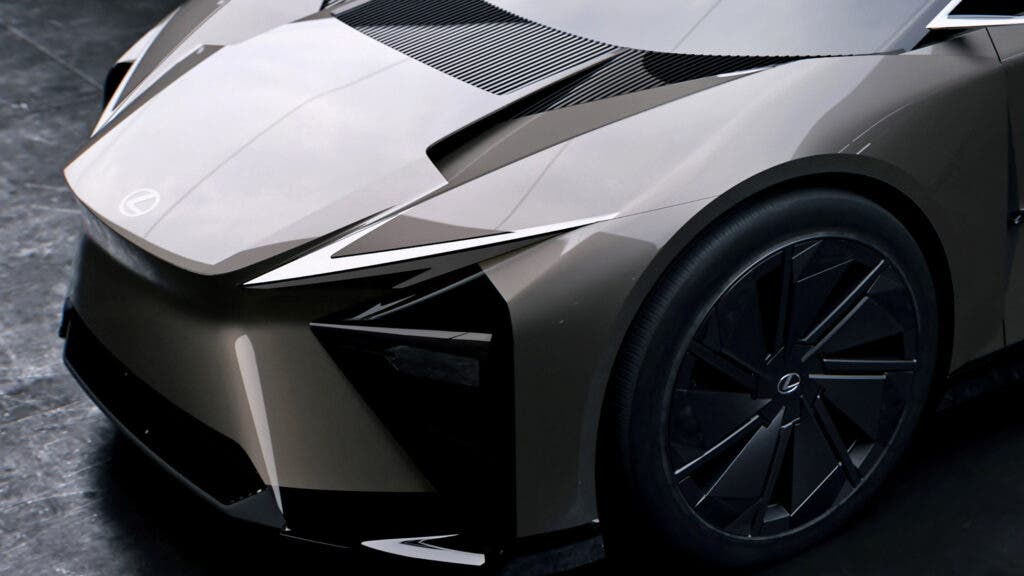
The first “victim” of this sudden pivot will be the Lexus IS. Say goodbye to the soul of the internal combustion engine and that classic three-box silhouette. The new IS is going all-in on aerodynamics, chasing that “sleek” look popularized by the Mercedes EQE, though hopefully without looking like a bar of soap.
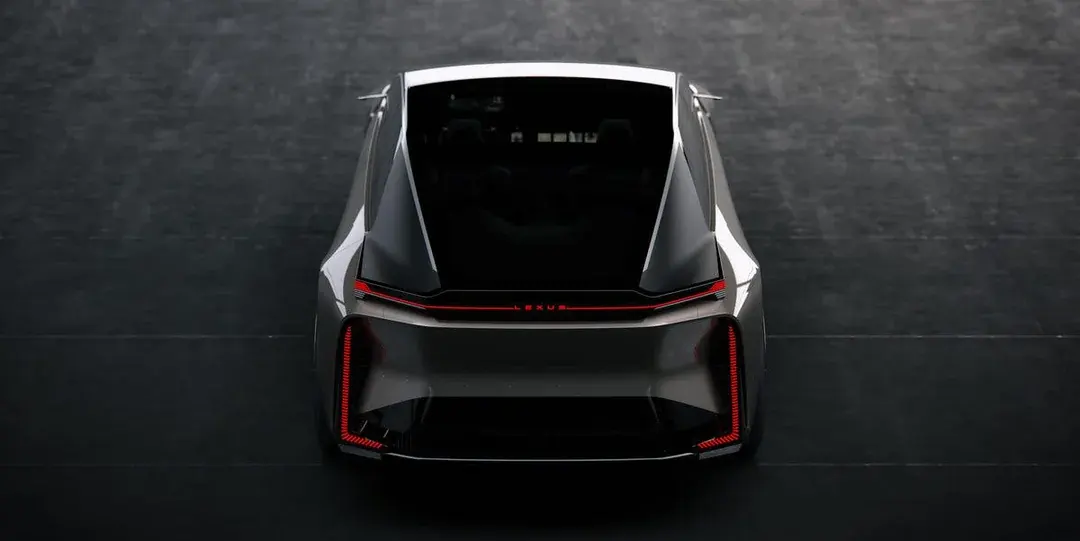
With steer-by-wire technology and enough gadgets to justify a premium price tag, it’s a bold swing. But the challenge is staggering. The future Lexus IS won’t just be fighting the BMW i3 or the Mercedes EQ C; it’s facing an invasion of the Chinese “horde”. BYD, Xiaomi, and XPeng aren’t checking their calendars for 2027, they’re already eating the market alive.