

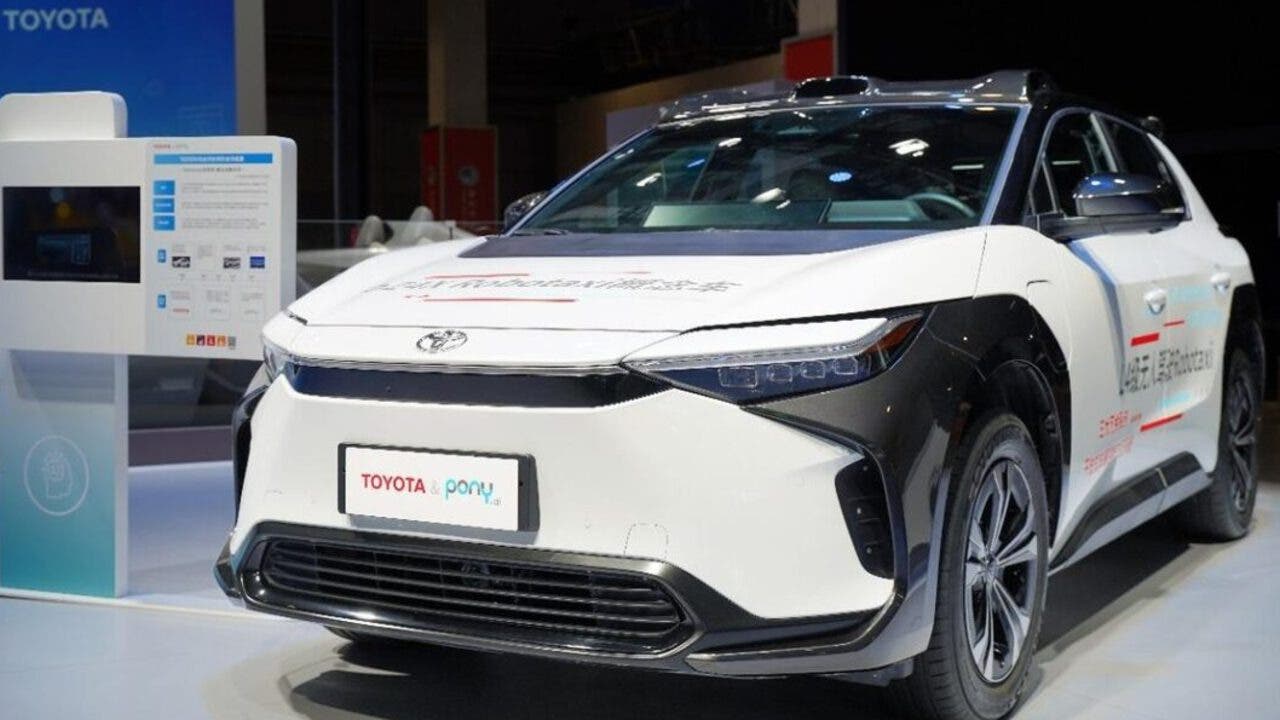
Toyota, the company that spent decades perfecting hybrids and hydrogen fuel cells while the rest of the industry sprinted toward batteries, finally dipped its toes into the electric vehicle pool with the bZ4X in 2022. The SUV arrived fashionably late to the EV party, sporting a 163 kW motor and the kind of name that sounds like someone sneezed during a product meeting.
By summer 2025, Toyota had already started tinkering under the hood, upgrading the electric axles and swapping in silicon carbide semiconductors for the power electronics. But here’s where things get interesting, or alarming, depending on your tolerance for autonomous experiments.
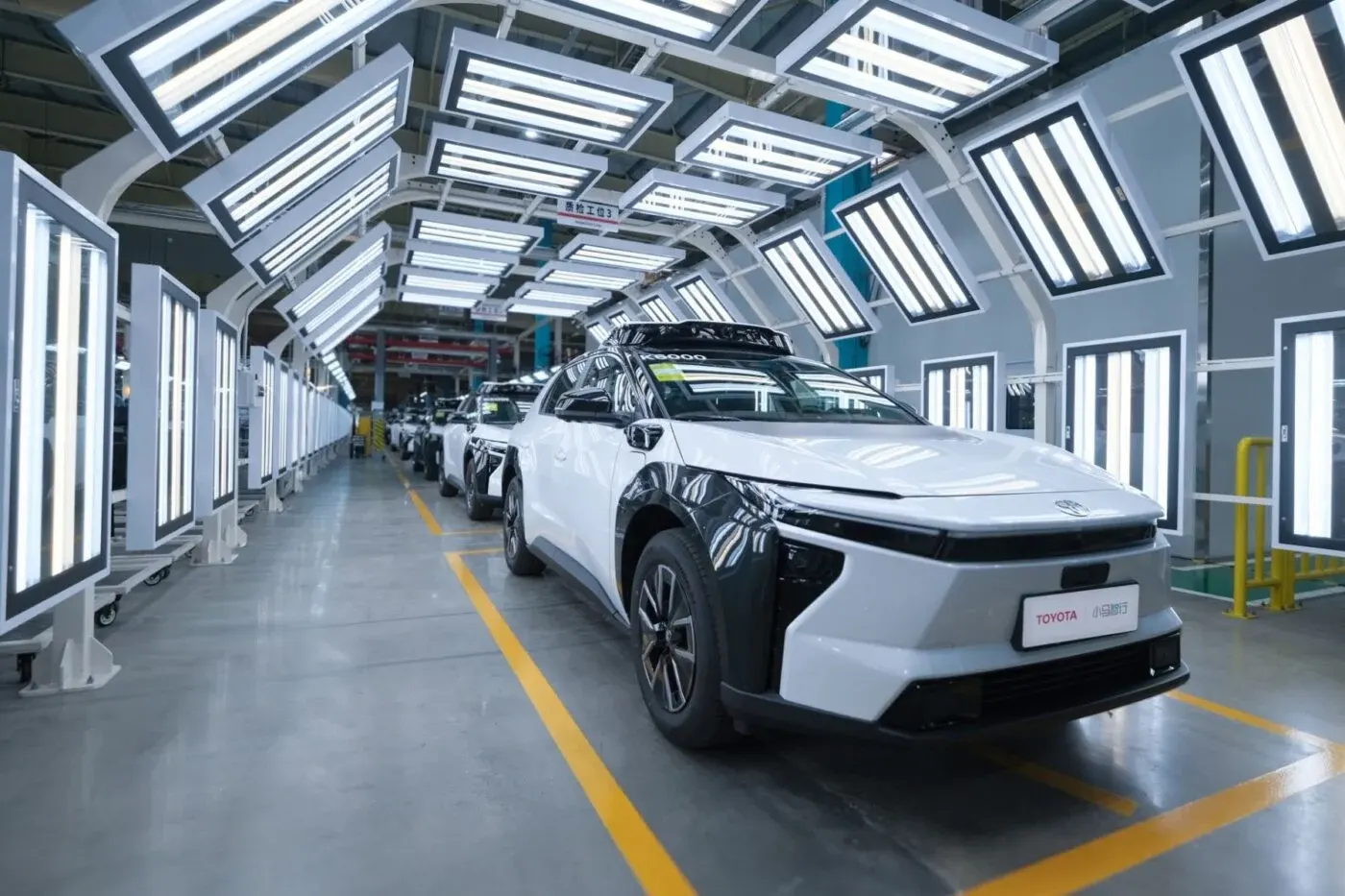
The bZ4X destined for global markets rolls off the line at Toyota’s Motomachi plant in Japan, but the robotaxi version currently prowling Chinese streets comes from GAC Toyota, the joint venture between Toyota and Chinese manufacturer GAC, based in Guangzhou. Same vehicle, different purpose.
Toyota and autonomous driving startup Pony.ai have been dancing around this partnership since 2020, when Toyota threw $400 million at the company. By 2023, they formalized their courtship with a joint venture aimed at producing battery-electric Toyotas that Pony.ai could outfit with Level 4 autonomous driving tech.
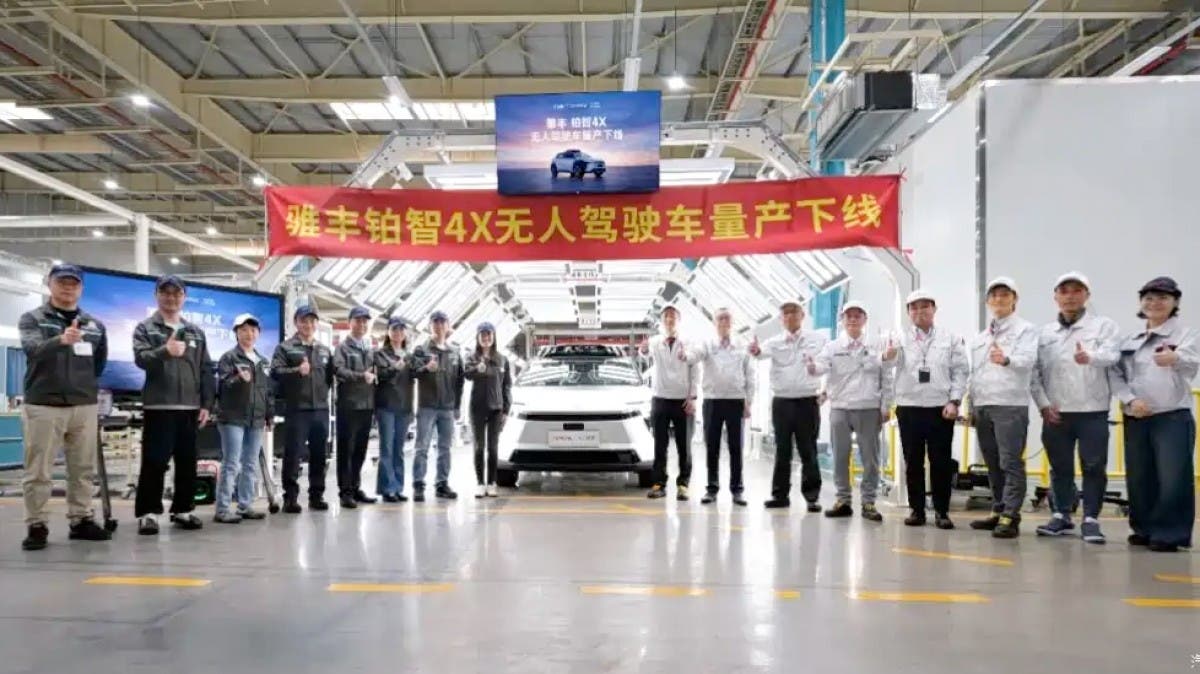
Over 1,000 of these robotaxis are scheduled to hit Guangzhou, Beijing, Shanghai, and Shenzhen this year, expanding Pony.ai’s fleet to more than 3,000 vehicles by year’s end. Each bZ4X robotaxi bristles with 34 sensors, 9 LiDAR units, 14 cameras, 4 millimeter-wave radars, offering 360-degree visibility and detection up to 650 meters away. Pony.ai’s seventh-generation autonomous system supposedly slashed material costs by 70% compared to the previous version, which is either impressive efficiency or a concerning corner-cutting revelation.
The Gen-7 tech isn’t exclusive to Toyota. BAIC’s Arcfox Alpha T5 and GAC Aion’s V model also feature the system, with ride-hailing giant Didi deploying its own robotaxi version of the Aion V. Meanwhile, Pony.ai recently partnered with Stellantis and European ride-hailing service Bolt, presumably to bring this autonomous adventure westward.