

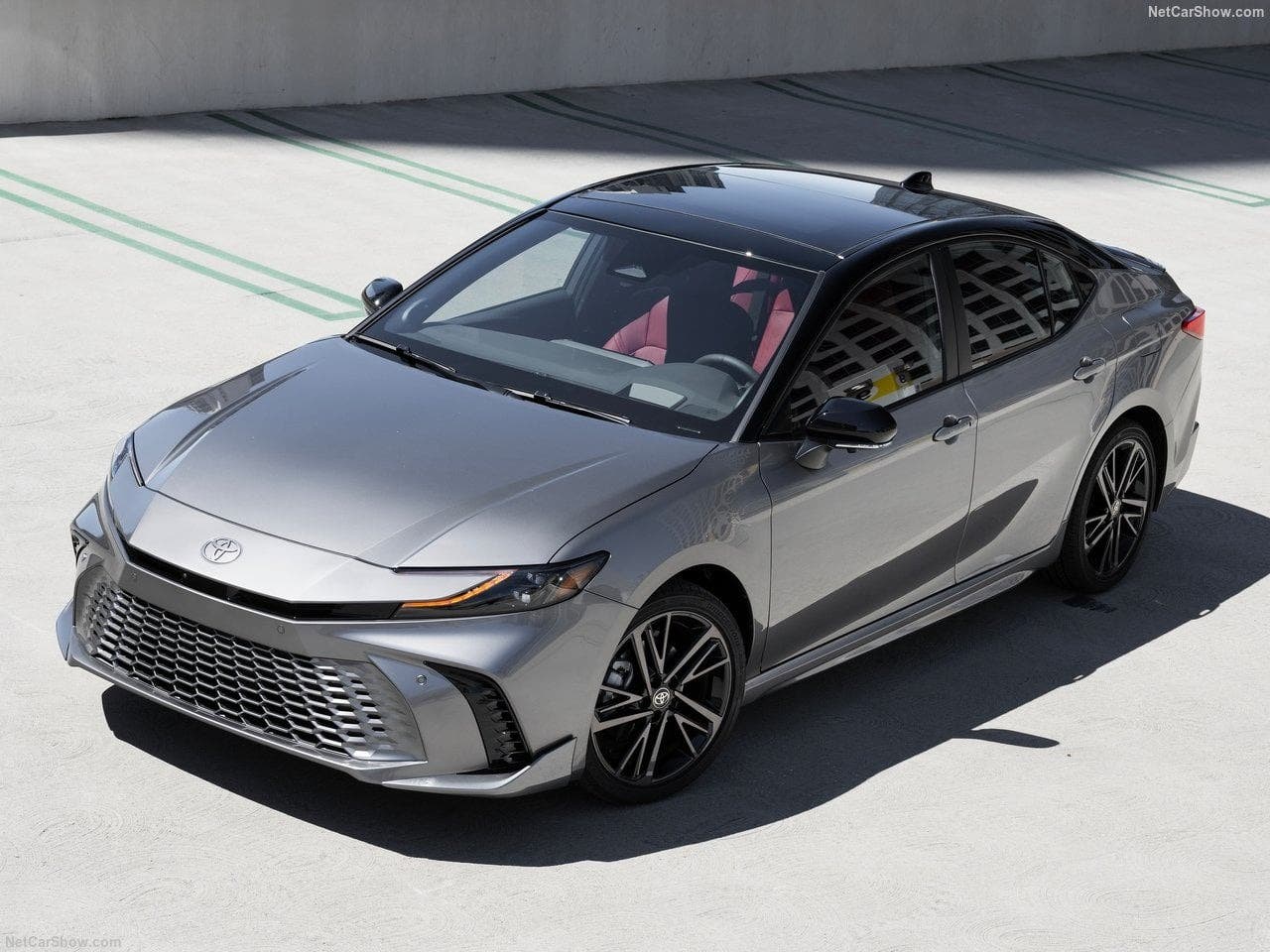
Toyota has confirmed that starting in 2026 it will bring three US-built models to the Japanese market. This move marks the return of the Camry to its home market after several years of absence, officially introduces the Tundra, and adds the Highlander to the lineup. However, this expansion goes beyond a purely commercial strategy. Instead, it also reflects a clear political move aimed at rebalancing trade relations between Japan and the United States.
Seeing Toyota vehicles loaded onto cargo ships bound for Japan from US ports is an unusual sight. Nevertheless, this is exactly the signal the world’s largest automaker has chosen to send. By importing US-built Camry, Highlander, and Tundra models starting in 2026, Toyota does more than shift production volumes. At the same time, it delivers a clear diplomatic message. In its official statement, the company openly says the initiative aims to improve trade relations between the two countries.
Toyota confirms US-built Camry, Highlander and Tundra for Japan from 2026
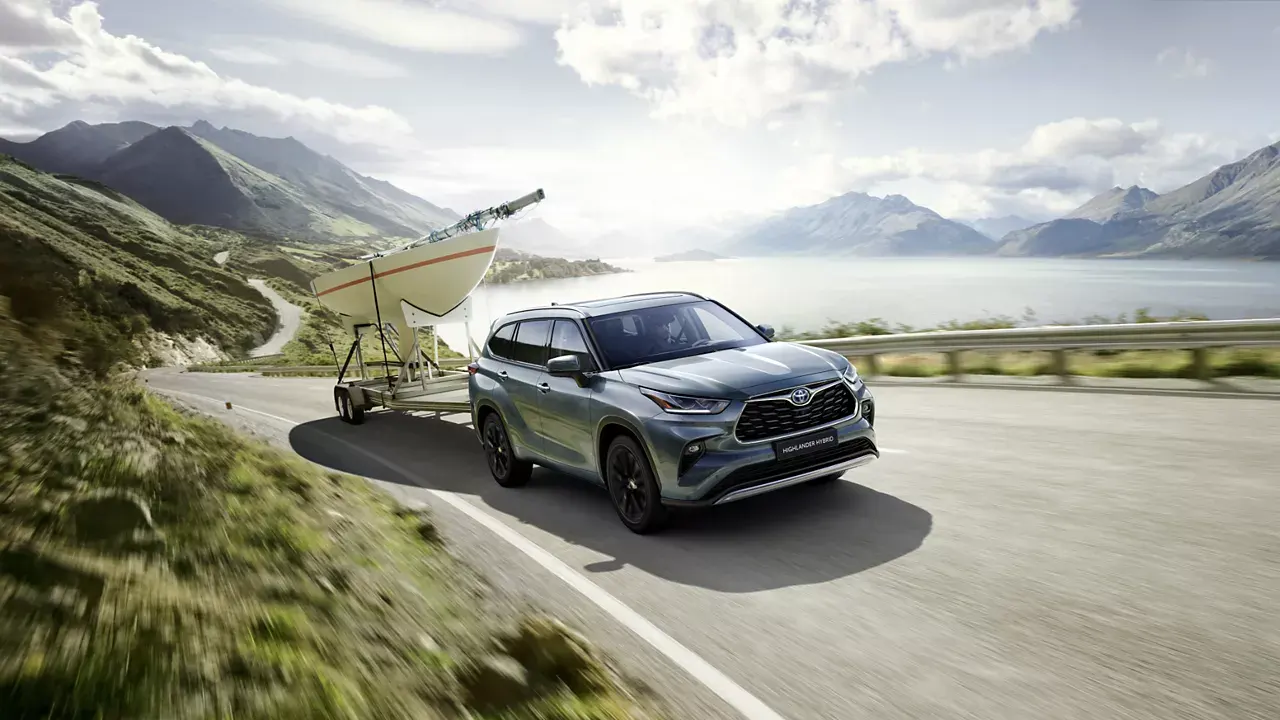
The models destined for Japan will not come from domestic plants. Instead, Toyota will source them from three long-established US production sites. The Camry will be built in Kentucky at the TMMK plant, the Highlander will come from Indiana, and the Tundra will be produced in Texas. This decision carries both symbolic and practical weight, reinforcing Toyota’s industrial presence in the United States.
To support this strategy, Toyota will also rely on a more flexible regulatory framework currently under review by Japan’s Ministry of Land, Infrastructure, Transport and Tourism. The new system should simplify the homologation process for vehicles designed around non-Japanese standards, addressing elements such as lighting, turn signals, and overall dimensions. This approach clearly shows how regulatory barriers can shrink quickly when industrial and political interests align.
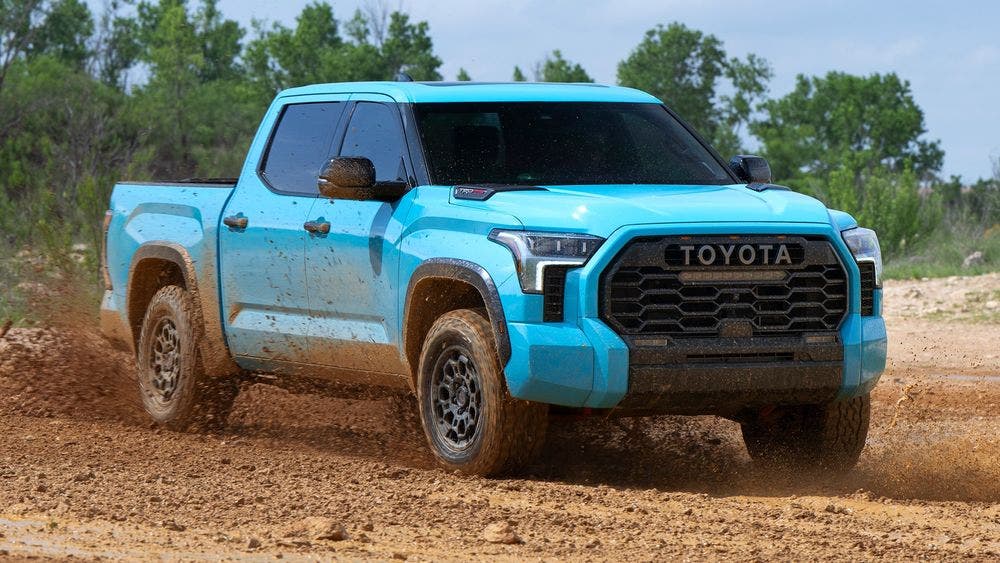
That said, Toyota still faces a significant commercial challenge, especially given the size of these models. The most striking example is the Toyota Tundra, a pickup that fully embodies American automotive culture. Measuring more than 5.8 meters in length and around 2 meters in width, it will move like a giant on Japan’s typically narrow and crowded roads. Until now, the Tundra has appealed mainly to independent importers and enthusiasts willing to sacrifice practicality. With an official launch, Toyota now aims to attract customers drawn to outdoor activities, leisure, and a more adventurous lifestyle.
The Camry’s return may appear even more surprising, but for different reasons. Despite ranking among the world’s best-selling sedans, Toyota removed the model from the Japanese lineup at the end of 2023 due to declining demand for traditional sedans in favor of SUVs and minivans. Reintroducing it now, in US specification, suggests the Camry name still carries prestige. However, achieving high sales volumes may prove difficult in a market dominated by models like the Prius and the Crown family.
Finally, the Highlander fills a specific gap in Toyota’s Japanese range. Known locally as the Kluger until 2007, the model later disappeared from the lineup. Its return under the American name targets families who find the RAV4 too compact but do not want to move up to large minivans such as the Alphard. Thanks to generous interior space, all-wheel drive, and a versatile setup, the Highlander positions itself as an SUV suited to both city use and weekend getaways.