

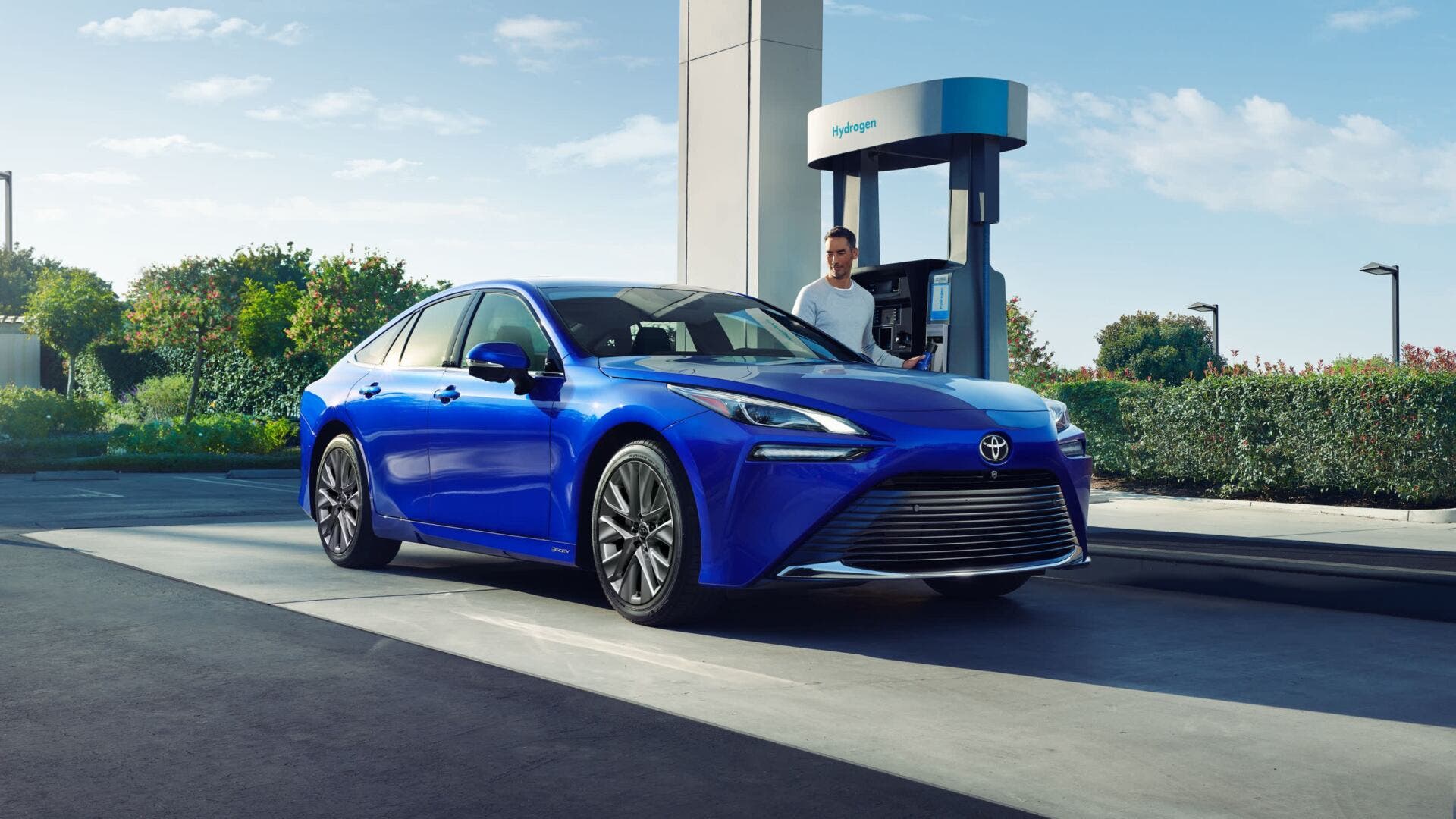
For over a decade, Toyota has been the automaker that believed most strongly in the future of hydrogen. From passenger vehicles like the Mirai to industrial and marine applications, the Japanese company has invested enormous resources in this technology. In 2014, then-president Akio Toyoda introduced the first Mirai, calling it “a turning point” for the automotive industry.
Ten years later, reality looks very different. Out of more than 100 million vehicles sold by Toyota over the past decade, only 27,500 were hydrogen-powered, just 0.028% of the total. “I can’t say for certain that hydrogen has a bright future,” CTO Hiroki Nakajima said last November during an event at the Fuji Speedway, signaling a clear shift in the group’s strategy.
Toyota slows down on hydrogen, but doesn’t give up on it
The main obstacle remains infrastructure. In California, one of the most hydrogen-friendly markets, Shell closed all of its hydrogen refueling stations for passenger cars in 2024. Despite this, Toyota isn’t abandoning the technology entirely, it’s recalibrating its focus. The new priority is heavy-duty vehicles, where hydrogen offers more practical advantages than electric power, including longer range and much faster refueling times.
Through its subsidiary Hino Motors, Toyota aims to create industrial synergies by announcing a merger with Mitsubishi Fuso and a partnership with Isuzu Motors to produce a light fuel-cell truck by 2030. At the same time, the company has signed contracts to supply hydrogen buses for Tokyo, Strasbourg, and Madrid.
On the passenger-car side, Toyota is jointly developing new fuel-cell solutions with BMW (the German brand is already testing a hydrogen-powered X5). The company also maintains active agreements with Hyundai, another long-time supporter of hydrogen technology.
Toyota has also unveiled a prototype hybrid van powered by both hydrogen and batteries. Instead of using a fuel-cell stack, it features a V6 combustion engine and is currently being tested in Australia.
Although hydrogen refueling remains faster than electric charging, the technological gap with batteries has narrowed dramatically. In China, new battery packs can charge in just a few minutes while offering comparable range, and falling EV prices make it increasingly difficult to justify building a separate hydrogen supply chain. “The challenge is no longer about which comes first, the chicken or the egg,” Nakajima explained. “It’s more like the relationship between honey and the bee: vehicles and infrastructure must grow together, or there will be no ecosystem at all.”
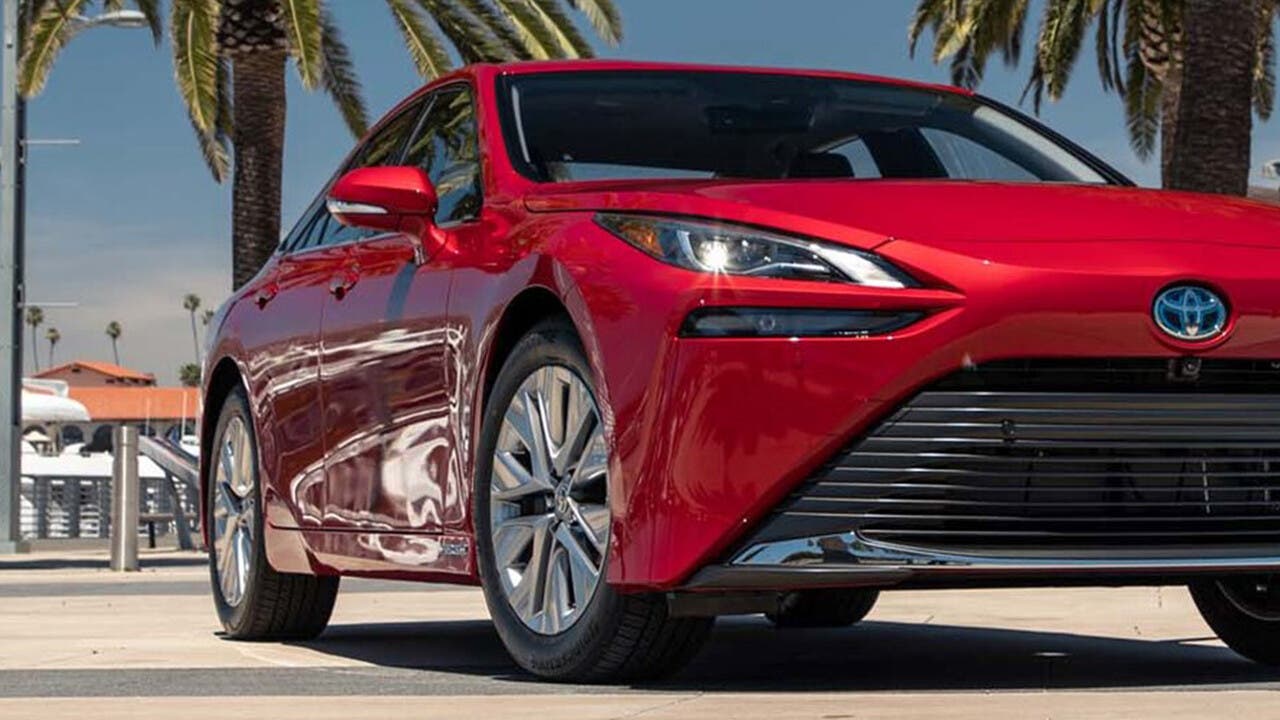
In recent months, Toyota has confirmed this strategic shift. In the United States, the company has trimmed the Mirai lineup, focusing on clearing existing inventory with targeted incentives. While in Japan, it has begun testing hydrogen-powered taxis based on the Crown FCEV.
Across Europe, the brand continues to supply fuel-cell modules to manufacturers like CaetanoBus, operating in several major cities. Meanwhile, Hino and Mitsubishi Fuso are preparing to merge operations to gain scale in the heavy-vehicle sector, and the project with Isuzu remains on track for hydrogen bus production in the second half of the decade.
For mass-market cars, the hydrogen era seems, at least for now, to be fading. But Toyota still sees a future for the technology, though now mainly for the next generation of trucks and buses.