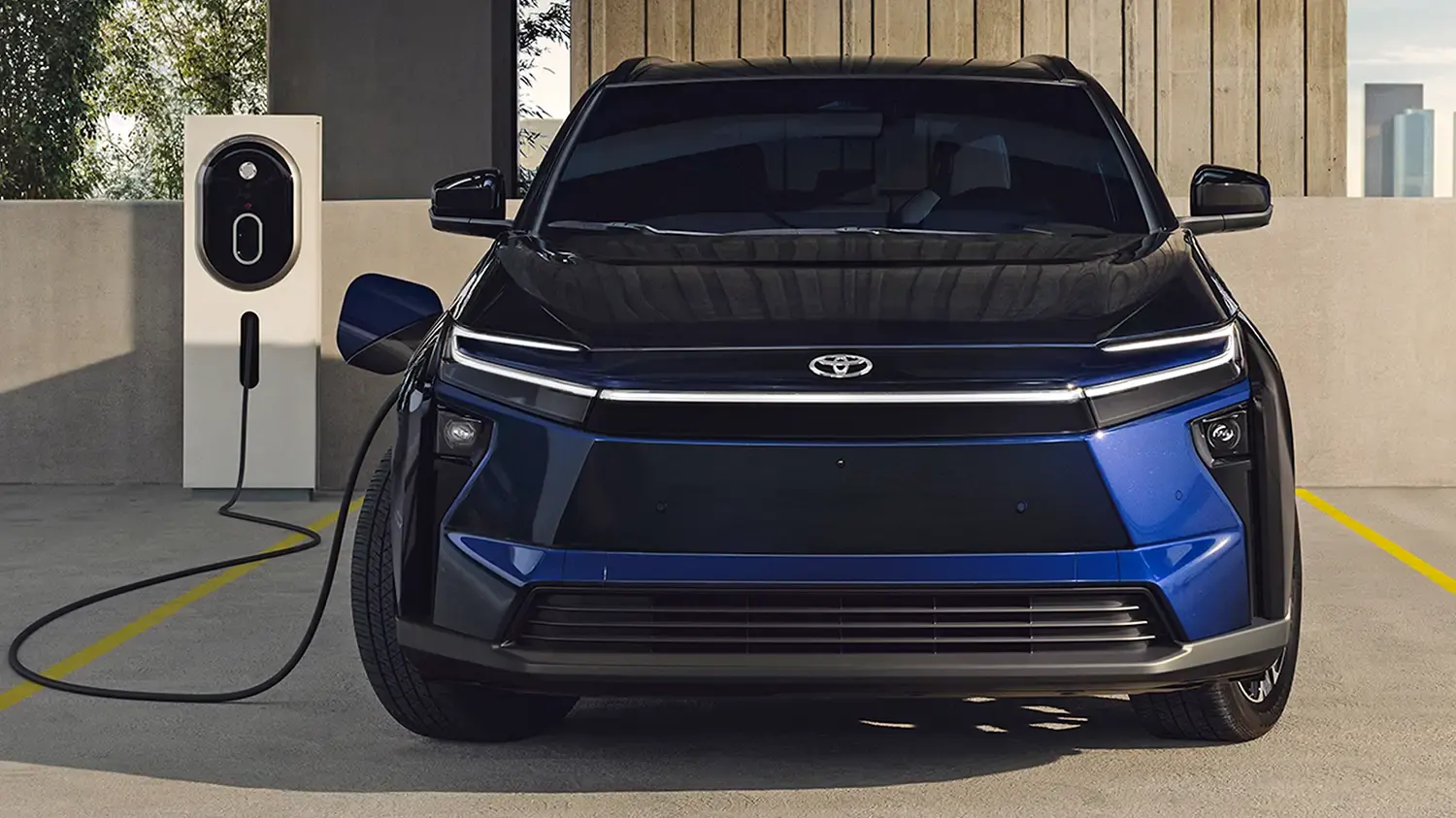
Toyota’s global electric car sales reached 35,525 units in March, up 139% from the same month in 2025 and the Japanese automaker’s best monthly result ever in the BEV segment. The figure marks a major acceleration for a group that, until recently, continued to favor a multi-technology strategy built around hybrids, which make up nearly half of its 2025 sales, plug-in hybrids and fuel-cell vehicles, while taking a cautious stance on pure electric cars.
Toyota hits record EV sales in March with 139% global growth

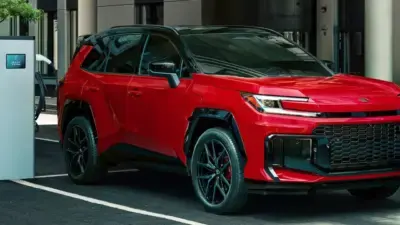
The strongest growth came from Toyota’s home market, where the company delivered around 3,500 electric vehicles, up 4,117% year over year. Outside Japan, the group recorded more than 32,000 BEV deliveries, more than double the volume achieved in March 2025. In Europe, Toyota closed the first quarter with 25,640 units sold and 85% growth, driven largely by the updated bZ4X. Since its introduction in October, the SUV has climbed the segment rankings quickly and became Toyota’s best-selling electric model in the second half of fiscal year 2025, with March marking its fifth consecutive month in the lead.
In the United States, where Toyota sells the model as the bZ, the electric SUV ranked third among the best-selling BEVs in the first quarter, behind only the Tesla Model Y and Model 3. Technical upgrades introduced with the 2026 update helped support that result, as Toyota increased the range to 514 kilometers, a 25% improvement over the previous version.
The integration of the NACS port, which gives drivers direct access to Tesla’s Supercharger network, added another strong selling point for U.S. buyers. In that market, access to fast-charging infrastructure plays a major role in purchase decisions. Inside, the new infotainment system with a standard 14-inch screen and the redesigned center console complete an update that has made the model far more competitive than the first-generation version.
However, Toyota’s numbers remain far from those of the leading Chinese automakers. BYD delivered 147,601 fully electric vehicles in the latest month alone and continues to expand production capacity outside China to support its international growth. This competitive pressure affects key Toyota markets, from Europe to Southeast Asia, from Latin America to Japan itself, where Chinese brands continue to gain share with increasingly aggressive pricing and technology-rich products.
Toyota is still expanding its electric lineup with several models expected later this year. The compact C-HR+ crossover, sold as the C-HR in the United States, the off-road-oriented bZ4X Touring, known in the U.S. market as the bZ Woodland, and the compact Urban Cruiser SUV should arrive in the coming months. They will be followed by Toyota’s first three-row electric SUV for North America, the Highlander BEV. In the next quarters, Toyota will also need to prove it can compete with the new low-cost electric cars coming from Volkswagen, Kia, Hyundai and Chinese automakers expanding beyond their home market.