

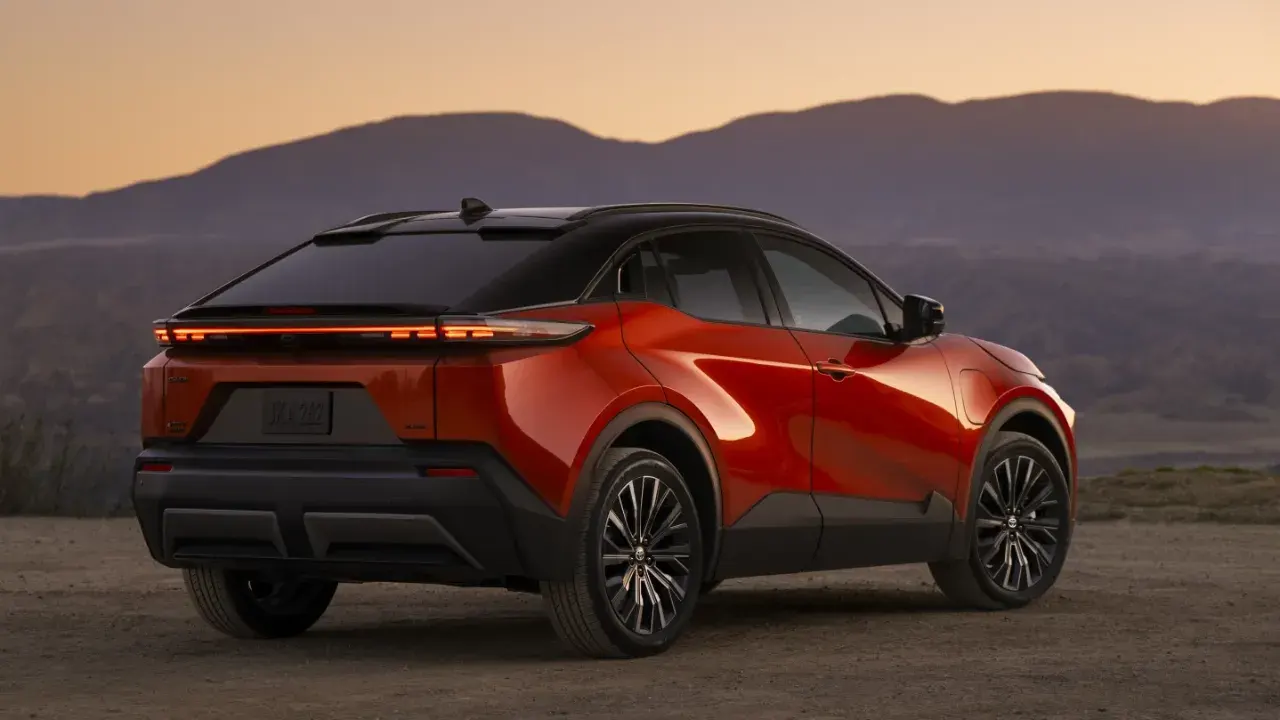
Toyota is back at it, trying to convince us that the “multi-pathway” strategy isn’t just a fancy way of saying they’re hedged in every possible corner. After teasing us with the bZ Woodland and an electric Highlander, the Japanese giant just dropped the specs for the 2026 C-HR EV. And it’s trying very hard to look like it’s not having an identity crisis.
Starting at $38,135 for the SE trim, the C-HR has officially ditched its humble hybrid roots to embrace the high-voltage lifestyle. To be fair, Toyota is still hedging its bets, promising hybrid, plug-in, and even hydrogen fuel cell versions. Though, unless you live in a specific California zip code or a Hawaiian beach, that hydrogen tank is basically a mythical creature.
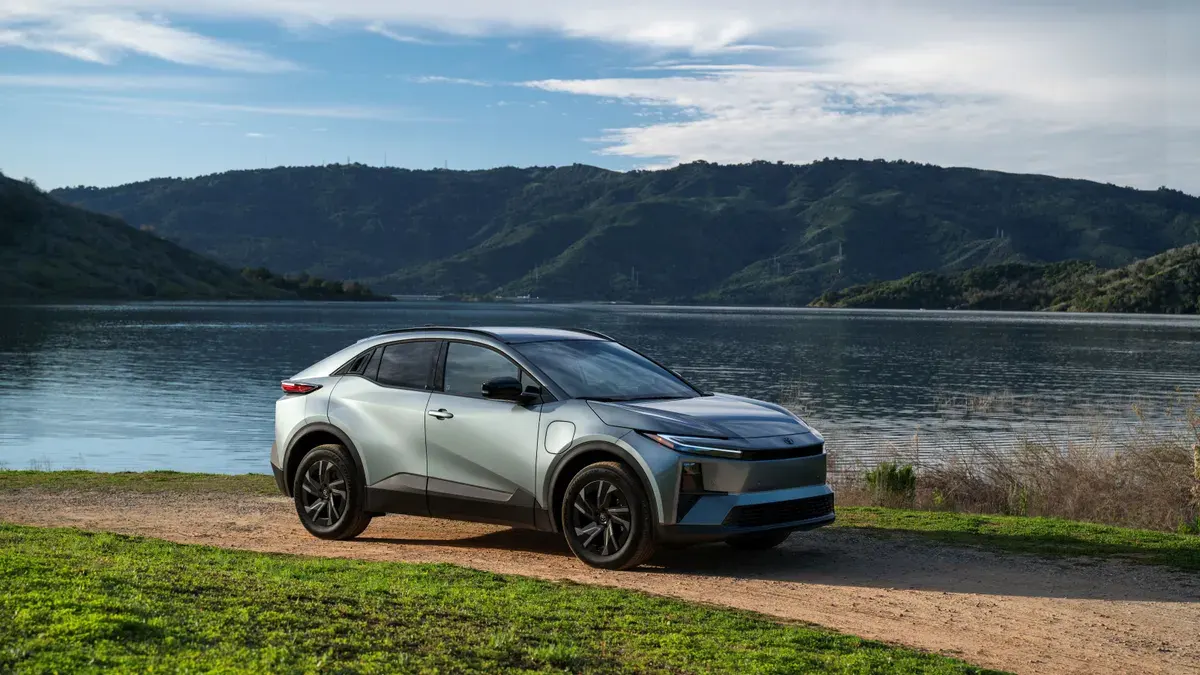
Toyota call the design a “hammerhead” front. It’s wider, sportier, and built on the e-TNGA platform. It looks aggressive, like it wants to pick a fight with a Tesla Model Y at a red light. And on paper, it might actually win. With a dual-motor AWD system pumping out 338 HP, this thing hits 60 mph in 4.9 seconds. That’s impressively fast for a car that most owners will use to crawl through a Starbucks drive-thru.
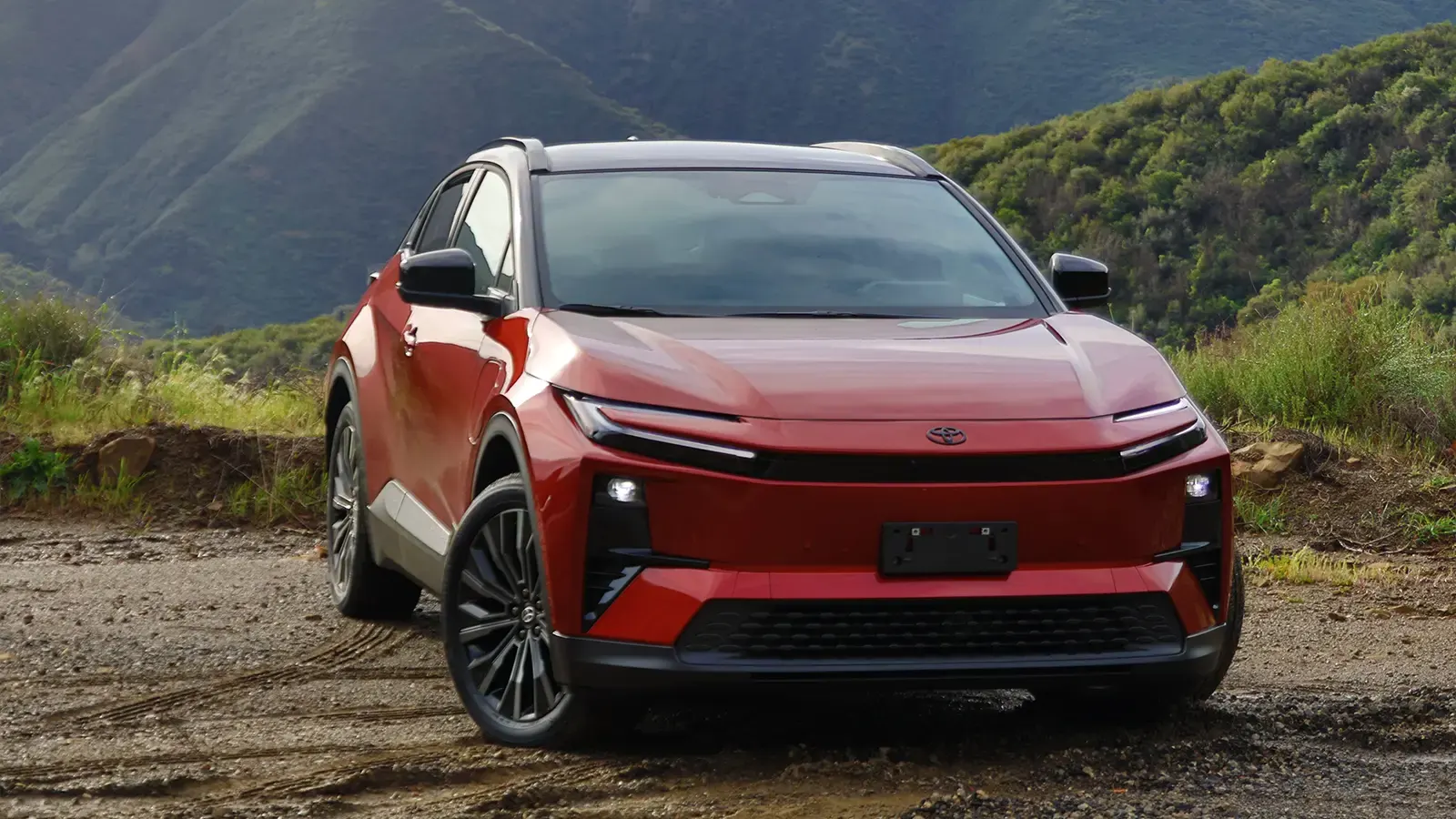
Range-wise, the SE claims 287 miles of EPA-rated freedom, while the fancy XSE with its massive 20-inch wheels drops that to 273 miles. Because, as always, looking cool costs you miles. The real kicker? Toyota has finally bent the knee to Elon, equipping the C-HR with a NACS port. You can now plug your Toyota into the Tesla Supercharger network.
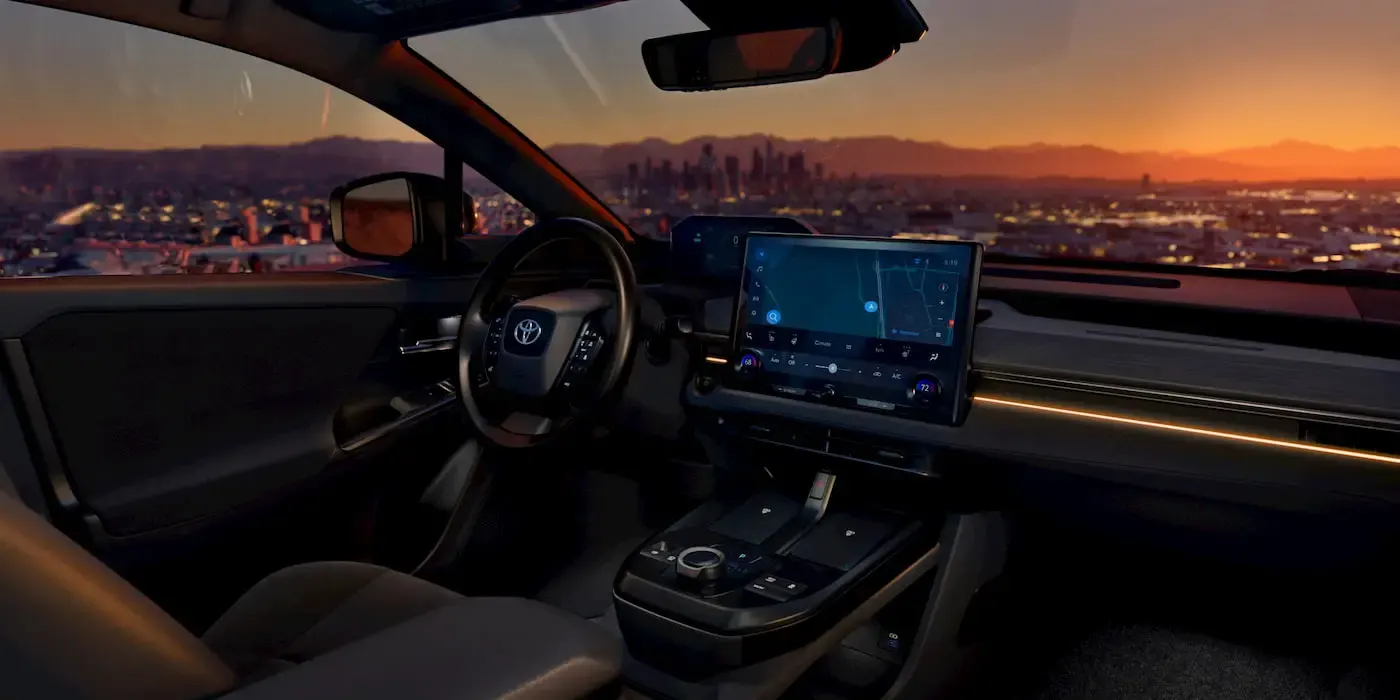
Inside, you get a 14-inch screen, because apparently, we can’t drive without a small TV in our peripheral vision, and enough cargo space to hide 1,685 liters of regret once the depreciation hits. March 2026 is the date. We’ll see then if this “Hammerhead” is a shark or just another fish.