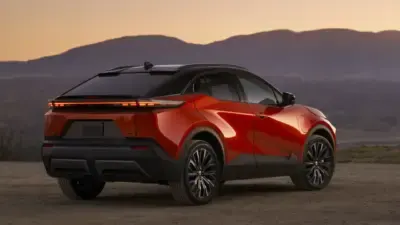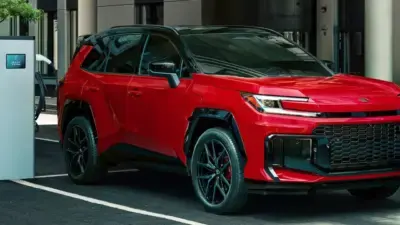
While every automaker on the planet seems to be running a quiet contest on who can charge more for less, Toyota just flipped the script with the 2026 RAV4 Plug-in Hybrid, a completely redesigned SUV that somehow costs less than the model it replaces. Let that sink in for a second.
The outgoing 2025 RAV4 PHEV started at $44,815 before destination. The new 2026 model, which is a full generation leap, new exterior design, overhauled interior, updated tech, fresh powertrains, kicks off at $41,500. That’s $3,315 back in your pocket for a car that does more than its predecessor in every measurable way.
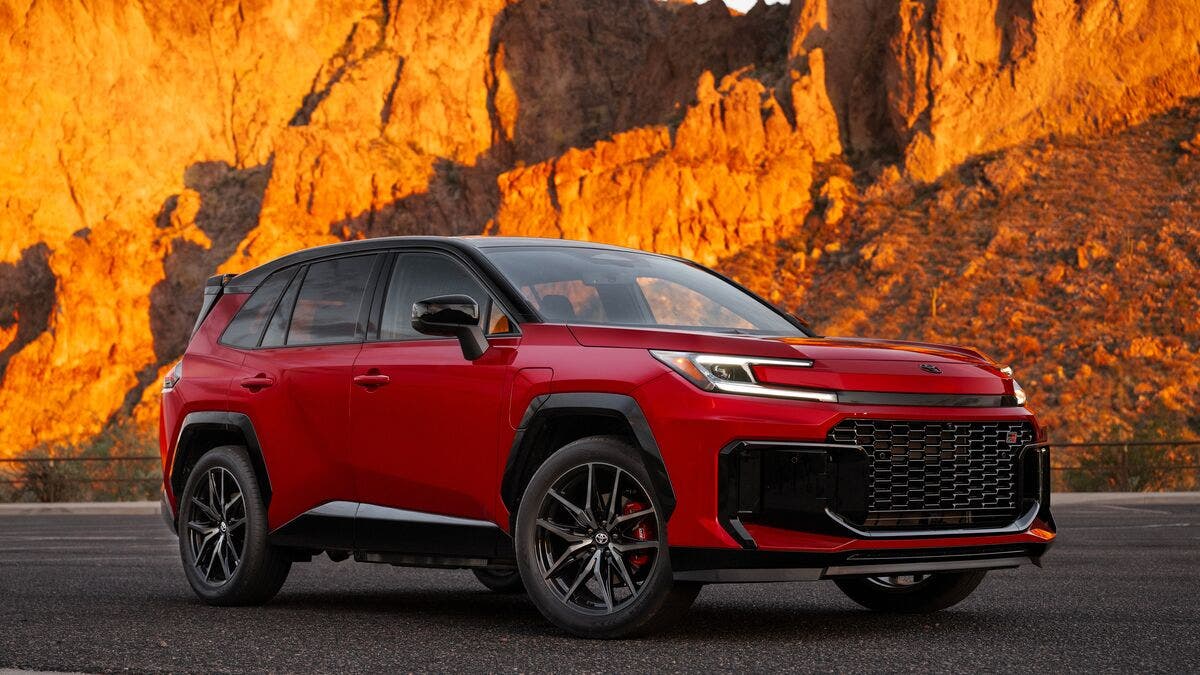
Numbers worth memorizing. 324 combined HP, standard all-wheel drive, 40 MPG combined, and an estimated 52 miles of all-electric range. The base SE trim comes loaded from the factory with Toyota Safety Sense 4.0, 18-inch black alloy wheels, LED headlights, dual-zone automatic climate control, a 12.3-inch digital instrument cluster, a 10.5-inch Toyota Audio Multimedia system with wireless Apple CarPlay and Android Auto, and SiriusXM 360L. This is the base model.
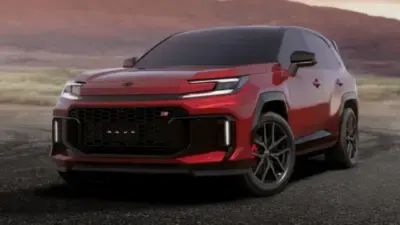
Three additional trims round out the lineup. The Woodland at $45,300 is built for people who take “off-road capable” literally. The XSE at $47,200 throws in two-tone paint options and premium touches for those who want their SUV to look as sharp as it drives. At the top, the GR Sport at $48,500 comes with 20-inch black wheels, high-performance summer tires, red brake calipers, GR front and rear bumpers, a rear spoiler, and SofTex/synthetic suede-trimmed seats.
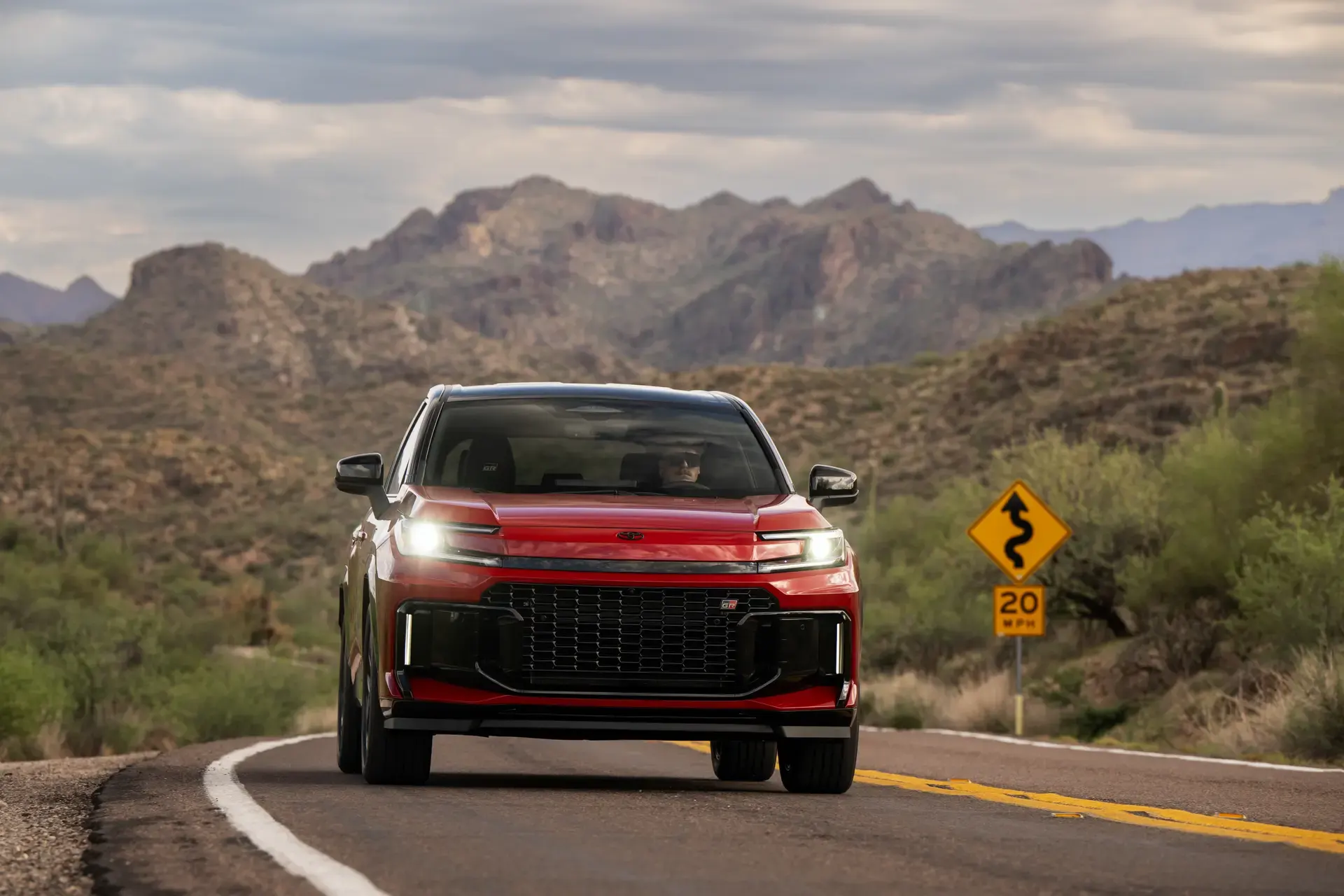
One detail that deserves a spotlight: DC fast charging is available, but only on the Woodland and XSE trims. In 2026, leaving it off the base and the range-topping GR Sport is a strange editorial choice. One of the few moments where Toyota’s logic gets a little fuzzy.
Still, the big picture is hard to argue with. A brand-new generation, a lower entry price, more power, and enough standard features to make competitors rethink their option packages. Toyota didn’t just “update” the RAV4 PHEV.