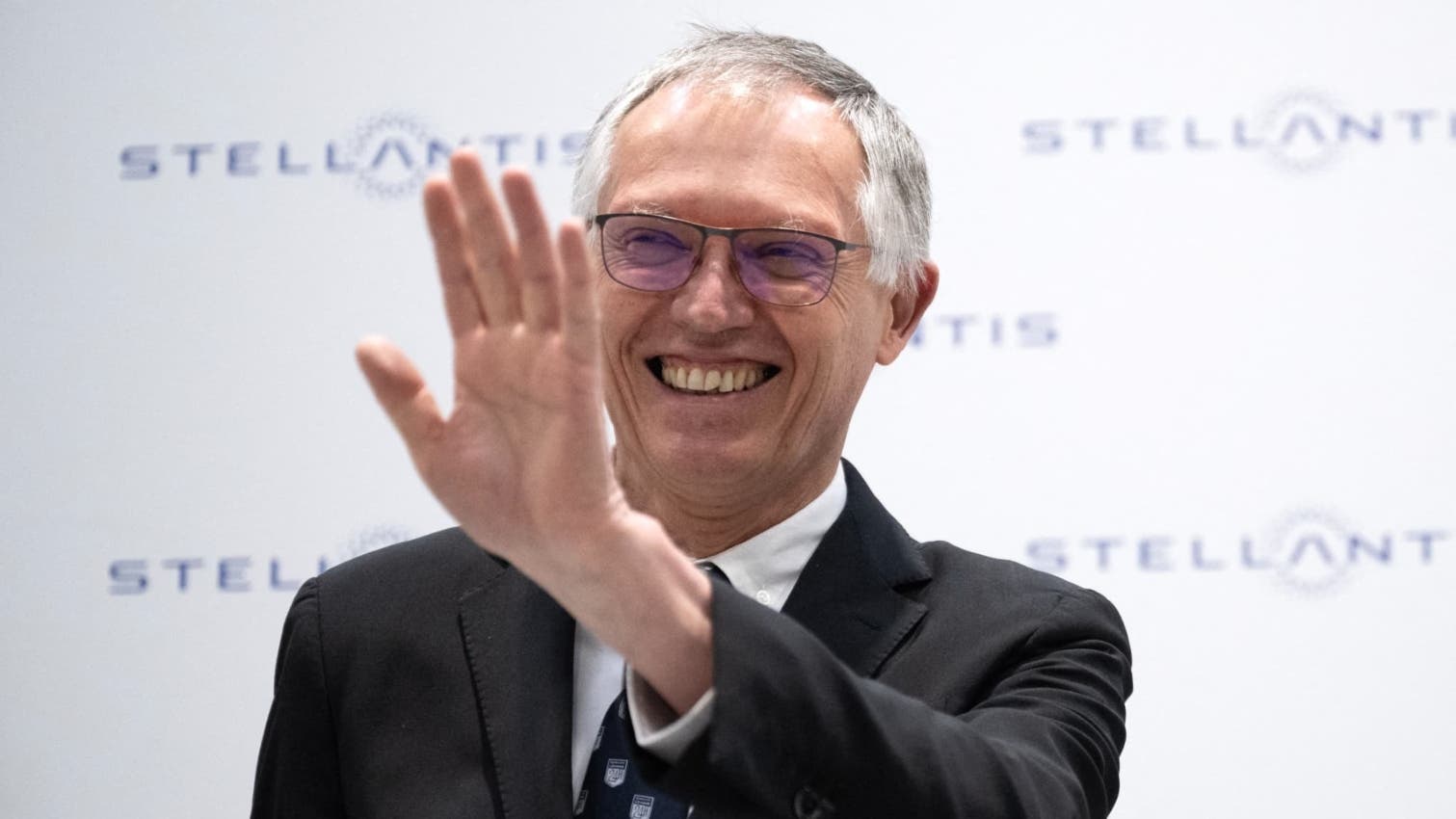
In 2025, the highest-paid executive at Stellantis was not the current CEO but the manager who stepped down from leading the group at the end of the previous year. Carlos Tavares remains the best-paid executive within the automaker, with total compensation of 11.9 million euros, a figure higher than that received by current CEO Antonio Filosa.
Carlos Tavares remains Stellantis’ highest-paid executive in 2025
The data emerges from the annual report filed with the Securities and Exchange Commission and largely reflects how compensation systems operate within major international corporations. A significant portion of Tavares’ remuneration comes from multi-year bonuses and incentives earned during the final years of his mandate and paid out afterward.
Although the amount declined compared with 23.08 million euros in 2024 and 36.49 million euros in 2023, when long-term performance incentives were fully included, the former CEO still holds the top position in terms of pay within the group. The difference does not relate to current operational responsibilities but rather to the timing effects generated by Long Term Incentive (LTI) plans, which distribute compensation across multiple financial years.
This structure often creates a gap between the moment strategic targets are achieved and the point at which related bonuses are actually paid. As a result, it is not unusual for an executive to remain the highest-paid figure even after leaving the top role.
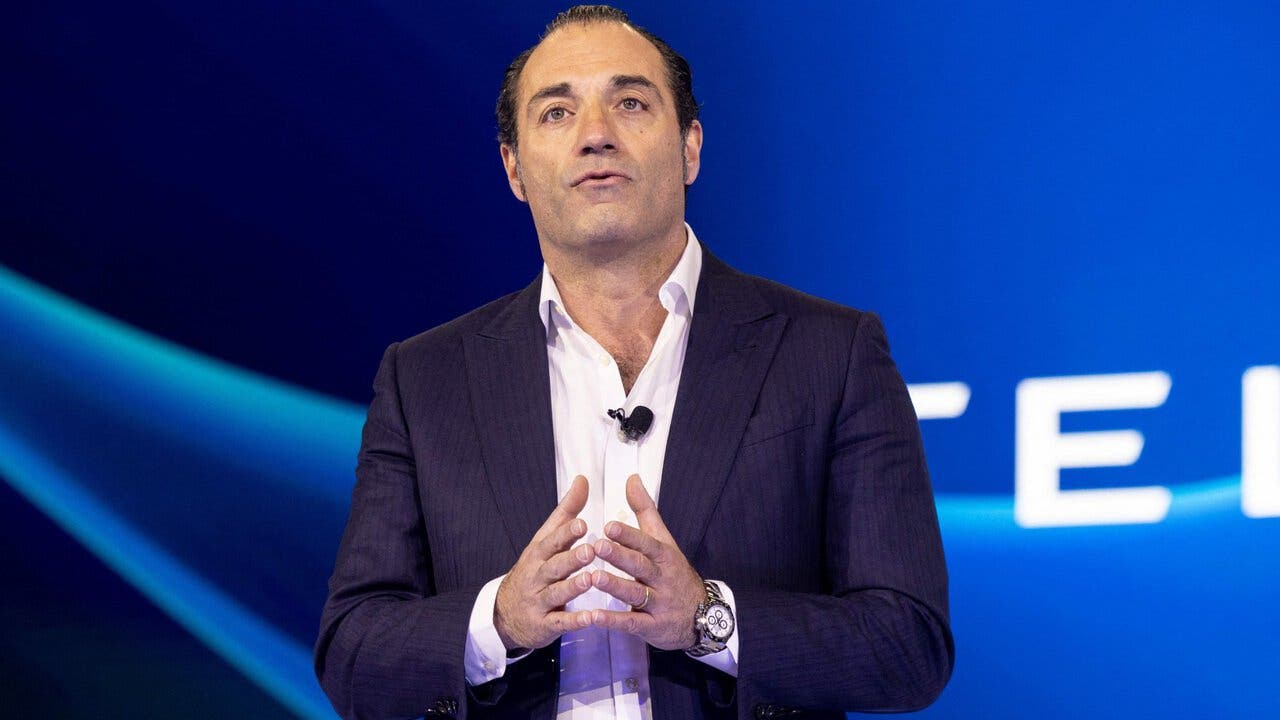
Antonio Filosa, appointed CEO during a particularly sensitive period for Stellantis and the wider automotive industry, received lower compensation in 2025. His pay reflects the early phase of a new management cycle, with variable incentives still in their initial maturation period.
Compensation for Chairman John Elkann also declined slightly, reaching approximately 2.45 million euros compared with 2.79 million euros the previous year. This figure relates solely to remuneration tied to his role and does not include any dividends linked to share ownership. During the last financial year, Stellantis also chose to suspend profit distribution, a decision taken within a broader context marked by a deep strategic review and significant industrial challenges.