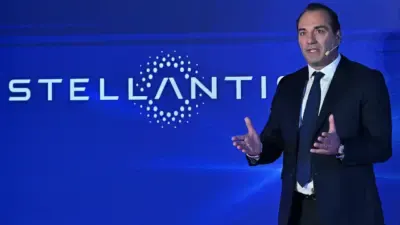
Stellantis closed 2025 with a net loss of 22.3 billion euros. The result marks the lowest point in the group’s recent history, and new CEO Antonio Filosa directly linked it to the need to dismantle the strategic framework built in previous years under Carlos Tavares, which leaned too heavily toward a fully electric transition.
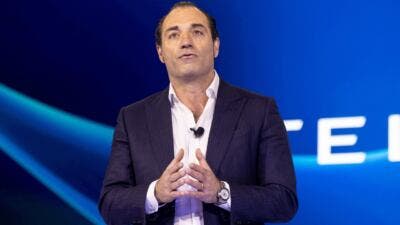
Filosa presented the results while announcing the start of a deep review of the industrial plan, openly describing it as a strategic reset. According to the Italian executive, the 2025 performance also reflects an overly optimistic assessment of the energy transition timeline, which led the group to make product and investment decisions that did not match real market demand. The new direction focuses on restoring customer choice, with a lineup that includes electric, hybrid and combustion powertrains without forcing a single technology.
Stellantis starts deep restructuring after historic 2025 net loss
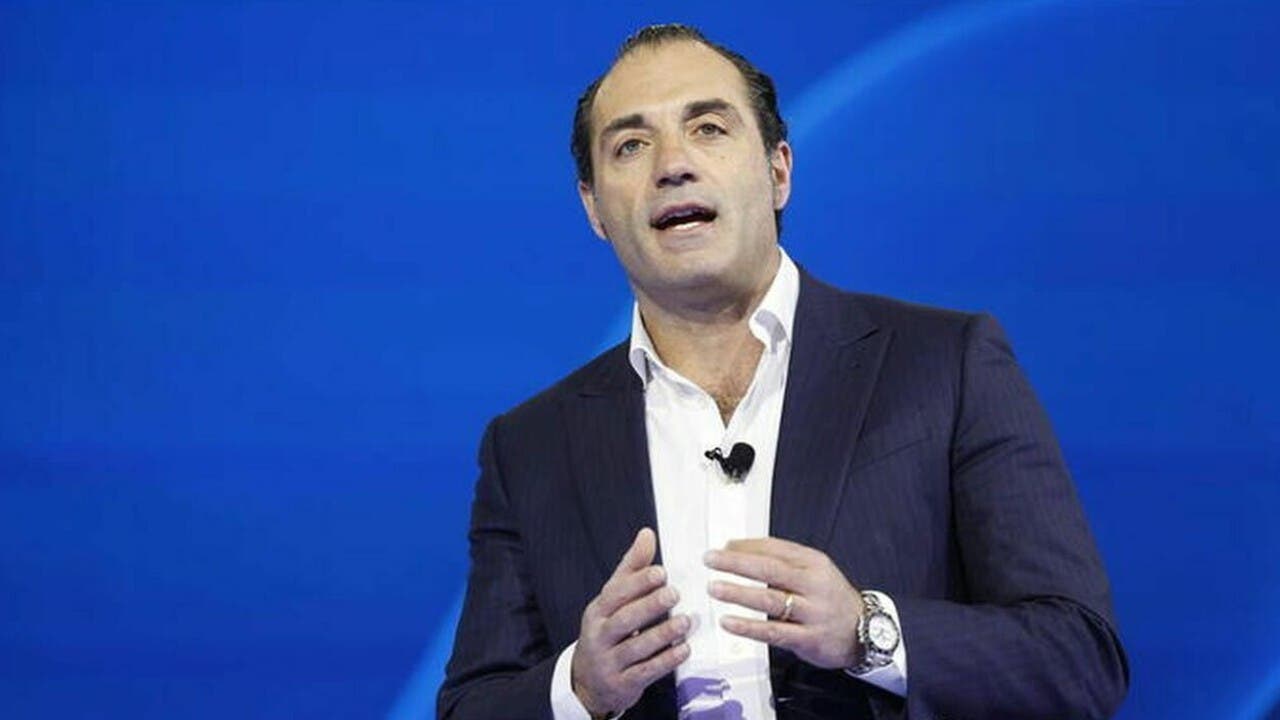
“In the second half of the year we began to see the first positive signs thanks to quality initiatives and the launch of a new wave of products, which supported the return to revenue growth,” Filosa said. “In 2026 we will continue to close the operational gaps of the past to support a path of profitable and sustainable growth.”
The financial weight of this shift had already emerged on February 6, when Stellantis announced a broad review of its operations with total charges of about 22.2 billion euros, excluded from adjusted operating results in the second half of 2025. Of that amount, roughly 6.5 billion euros represent cash outflows spread over the next four years.
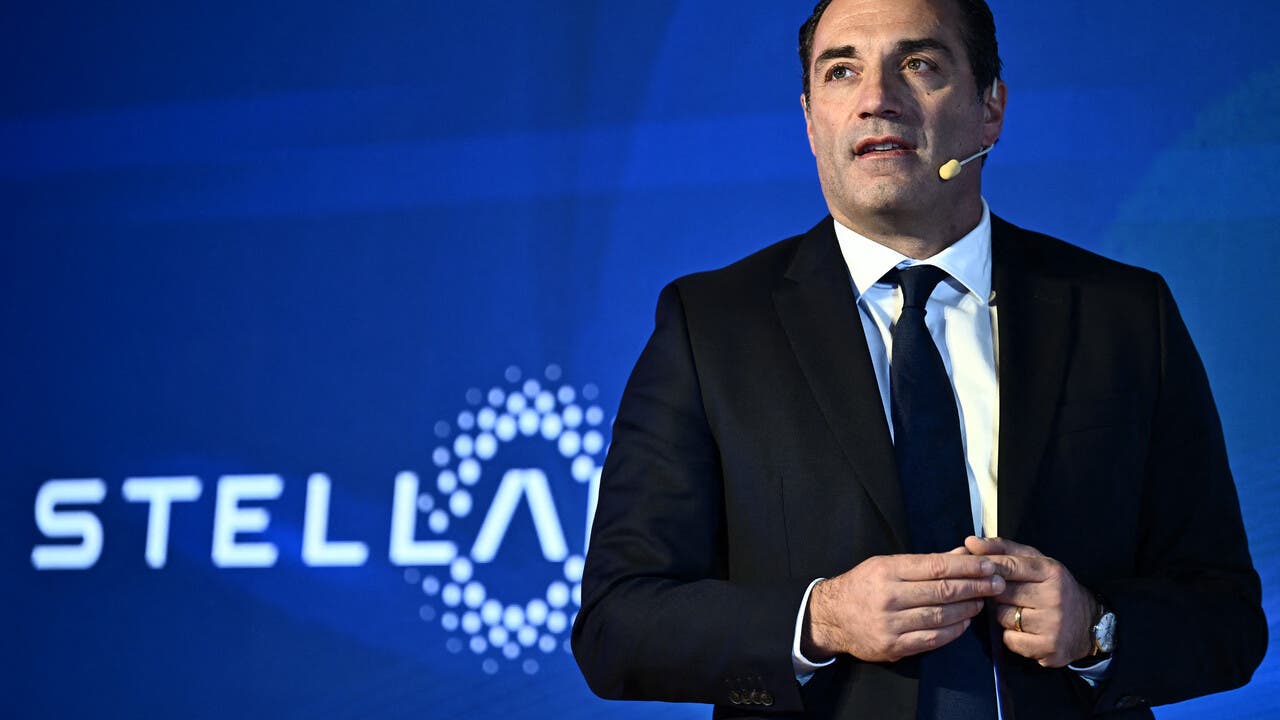
The main elements of the plan include a revision of the electric vehicle and supply chain strategy, recalibrated to real demand and regulatory developments, an update to the method used to estimate warranty reserves and a range of costs largely tied to workforce reductions already announced across wider Europe.
According to Stellantis, the reorganization process has also returned greater decision-making autonomy to regional teams, improving operational efficiency and relationships with dealers, suppliers, institutions and labor unions. The group views this step as necessary to rebuild solid foundations after a year that challenged many of the assumptions behind Tavares’ industrial strategy.