This year, American Stellantis employees represented by the United Auto Workers will not receive any profit-sharing bonus. Two years ago, the same payout was worth nearly 14,000 dollars per worker. In 2025 it had already dropped to 3,780 dollars. Now it has been completely eliminated.
The group said it did not reach the minimum thresholds set by the 2023 union agreement, and without those targets the profit-sharing mechanism does not activate. Behind the figures stand the 2025 financial results, a year Stellantis itself describes as a deep internal reset needed to correct past strategic choices. The operating margin in North America stood at minus 3.1 percent, a dramatic gap compared with the 15.4 percent recorded in 2023. Meanwhile, US sales declined for the seventh consecutive year, weighed down by a less profitable product mix, high warranty costs, stronger incentives and the impact of tariffs.
Stellantis cancels U.S. bonus after weak 2025 performance
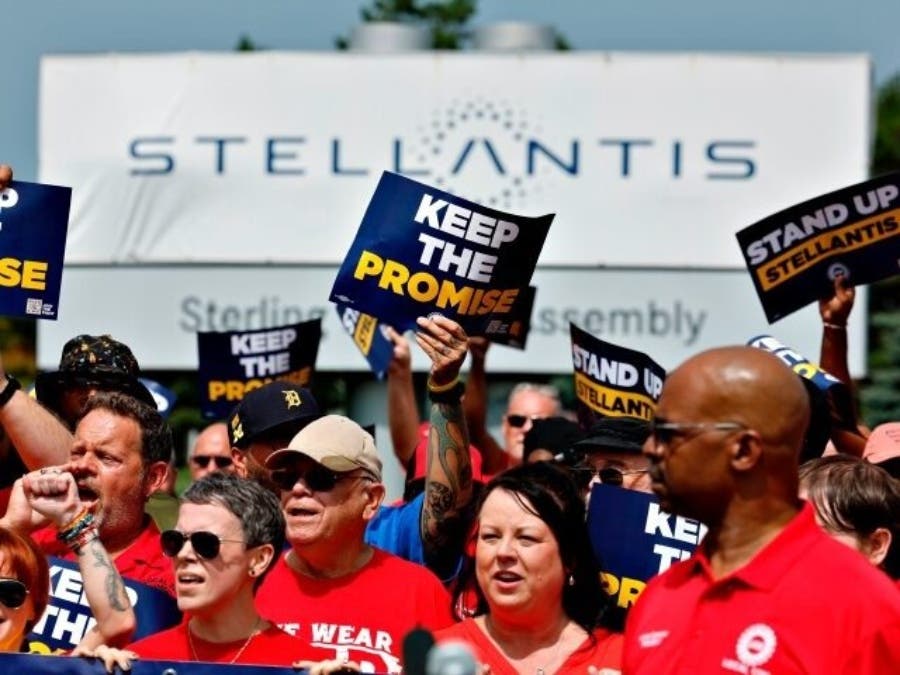
For thousands of workers, the issue is not only financial. That bonus represented a tangible recognition of factory work, and for many families it helped cover expenses and unexpected costs. Seeing it disappear entirely, after a sharp drop the year before, fuels frustration that corporate statements struggle to contain.
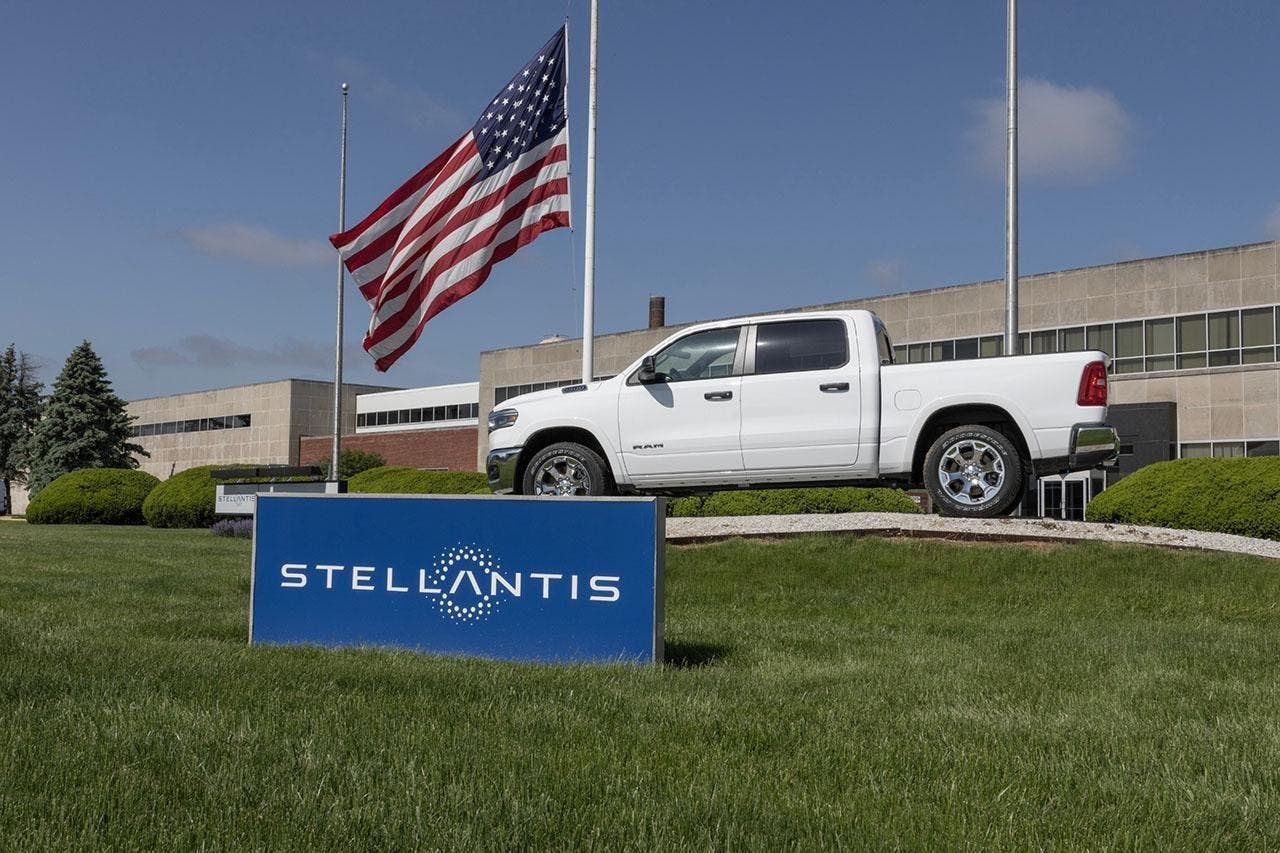
Spokesperson Jodi Tinson said recent actions aim to reverse the trend as early as 2026. Among them stands out the return of the Hemi V8 engine on the Ram 1500, a move with strong symbolic and commercial value for the North American market. According to the group, steps like this should strengthen the appeal of key models and help rebuild healthier margins.
The challenge is that competitors are not facing the same situation. General Motors announced bonuses of up to 10,500 dollars for more than 47,000 employees, while Ford expects average payouts of about 6,780 dollars for over 56,000 workers. These figures highlight the widening gap among Detroit’s three major automakers, and they do not go unnoticed inside Stellantis plants.
For those working in the group’s US factories, 2026 will be a year to watch closely. The promise of a recovery exists, yet it follows months of disappointing results and comes with credibility still to rebuild. Beyond margins and balance sheets, what is at stake is the relationship of trust between the company and the people who keep production running every day.