

The electric dream is proving far more complex than expected for Stellantis. Lower-than-expected sales and massive investments have forced the group to rethink its industrial priorities and refocus on what the market truly demands.
After recording heavy extraordinary charges in its 2025 accounts, the automaker is reportedly evaluating a withdrawal from its US battery joint venture with Samsung SDI. This move would follow the already completed exit from the alliance with LG in Canada and reflects a deep reassessment of an electric strategy considered too ambitious compared with the actual pace of demand. Under the leadership of CEO Antonio Filosa, Stellantis is entering a restructuring phase that places hybrid and combustion powertrains back at the center, technologies now seen as more aligned with customer and market needs.
Stellantis shifts focus from EV expansion to hybrids and combustion
The year 2025 will remain one of the most difficult in the group’s recent history. With more than €22 billion (about $23.8 billion) in write-downs, Stellantis closed a period marked by overly optimistic expectations, especially in North America. A significant portion of these losses relates to a revision of the US product strategy, where electric vehicle adoption has progressed far more slowly than anticipated, held back by high prices, incomplete infrastructure and a less supportive political environment for incentives.
The market reacted cautiously. Strong stock volatility reflected declining investor confidence in the group’s ability to anticipate industrial cycle changes. The new leadership acknowledged excessive optimism in the initial planning and launched a review process aimed at reducing risk and improving financial sustainability.
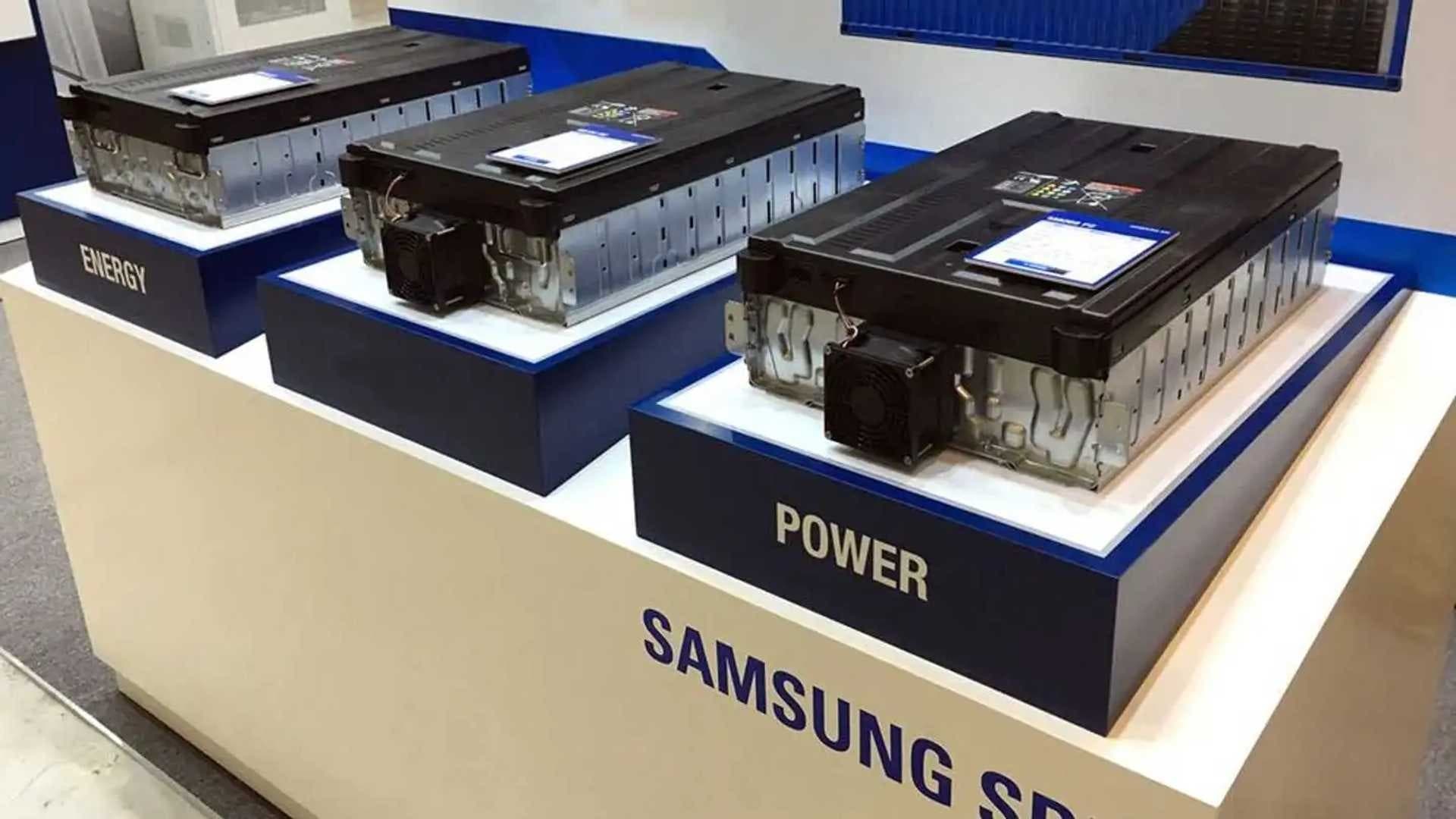
A possible exit from the StarPlus Energy joint venture with Samsung would represent only the latest step in a broader reorganization. After selling its stake in the Windsor gigafactory in Canada to partner LG Energy Solution, Stellantis appears ready to reduce direct exposure to battery cell manufacturing and return to the role of customer rather than producer. This approach would help limit losses and maintain greater industrial flexibility.
At the same time, the group is also reviewing its product lineup, particularly in North America. Some recent electrification flagships, such as the Jeep Wrangler 4xe and Chrysler Pacifica PHEV, could leave the stage or undergo repositioning, while attention grows toward simpler hybrid systems, advanced combustion engines and electric vehicles with range extender technology. The objective is to focus on technologies customers are ready to adopt today while avoiding excessive complexity and costs.
In both Europe and the United States, Stellantis now aims to rebuild its position through more accessible, reliable products aligned with real market demand. This represents a complex transition phase, yet one considered necessary to restore industrial balance and long-term credibility.