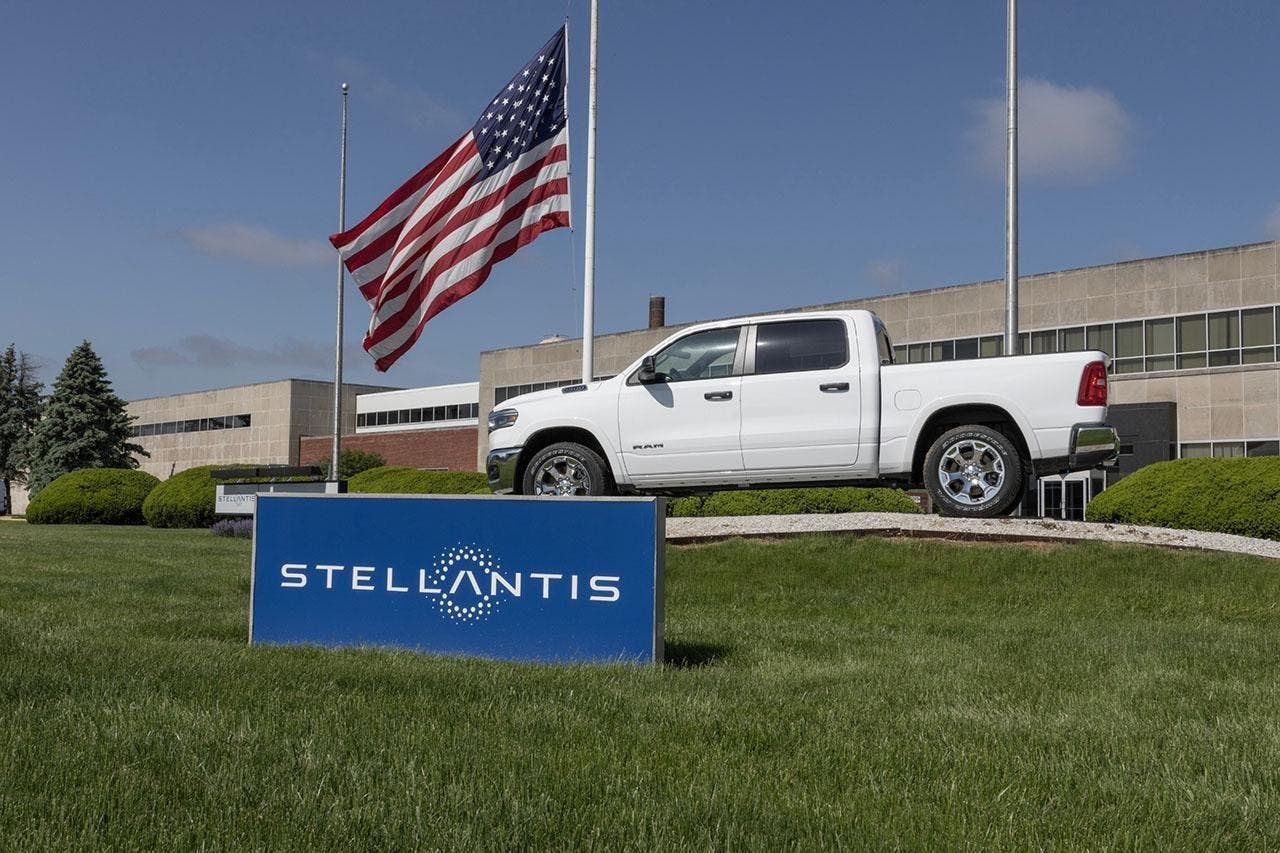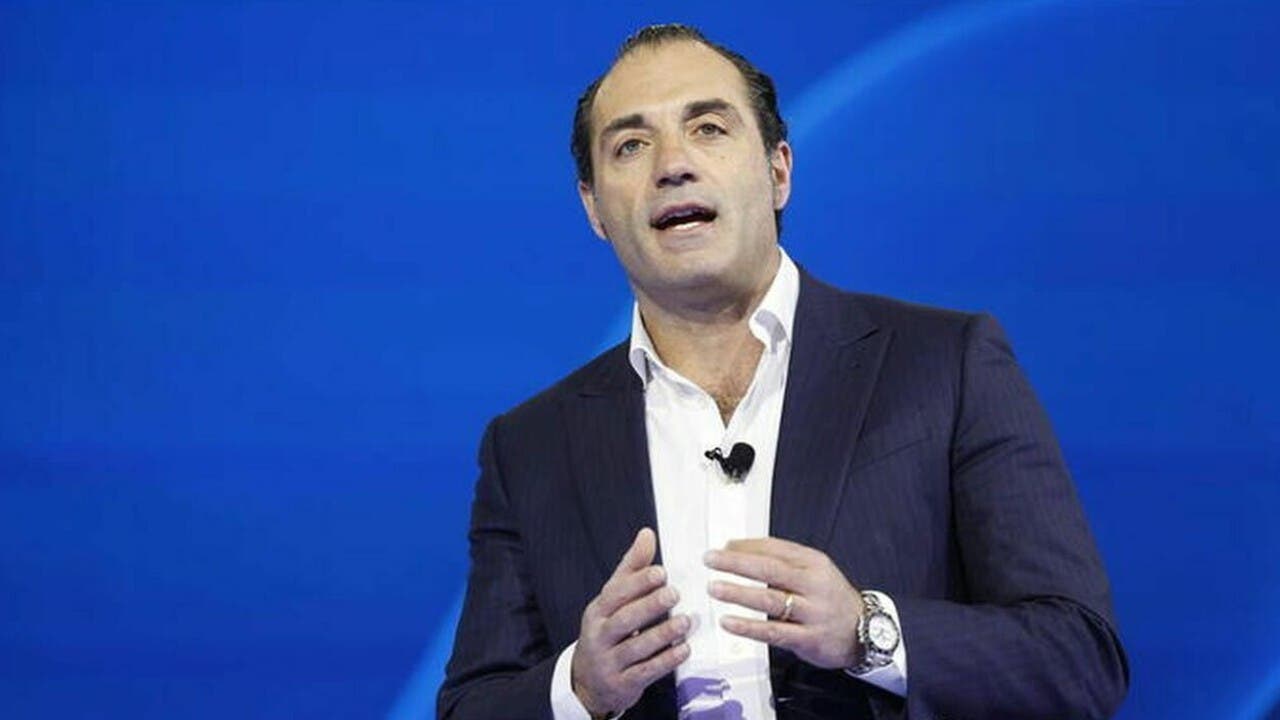
Stellantis has put a very heavy figure in black and white. In the second half of 2025, the group recorded around €22 billion in extraordinary charges. Commenting on the result, CEO Antonio Filosa linked that amount to two main factors: strategic choices that proved wrong and a cost management approach that had pushed too far in the past, ultimately weakening the company’s operating capacity.
Filosa slams Tavares after €22B loss: “We were too optimistic on EVs”

Filosa spoke openly about aggressive cuts, explaining that workforce reductions also affected technical roles and led to the dismissal of thousands of engineers. This aspect directly impacts industrial execution quality. Fewer internal skills mean longer product development times, greater complexity in managing programs, and more difficulty solving operational issues.
The reference to the past appeared clear even without direct mentions. Filosa pointed to the strategic approach of the Carlos Tavares era, when Stellantis strongly focused on electrification, targeting a fully battery-electric lineup in Europe by 2030 and a 50 percent share in the United States. According to current management, those forecasts relied on excessive optimism about the real pace of EV adoption, especially in North America.
Filosa also explained the composition of the extraordinary charges. About 75 percent stems from strategic assumptions that later proved wrong, while the remaining 25 percent relates to problematic operational decisions, including cost-cutting policies that weakened the group’s technical structure.
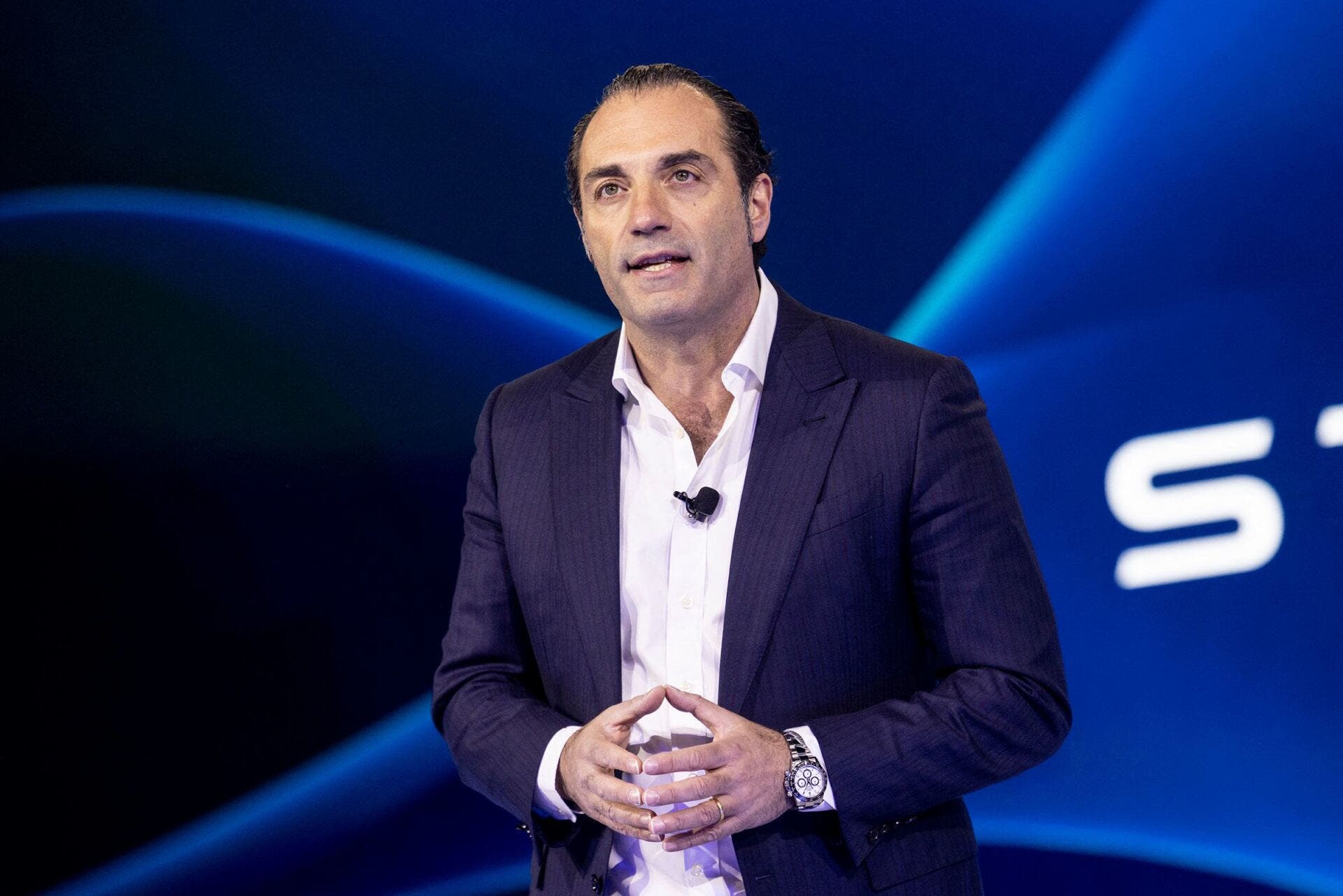
The issue of excess production capacity also remains open. Stellantis operates more plants than current market demand requires, and several analysts consider a rationalization between Europe and the United States possible without a significant sales recovery. Filosa did not announce decisions and postponed any choice until the May 21 plan, but he indicated a clear goal: increase volumes to use existing plants more efficiently. This framework also includes the announced $13 billion investment in the United States over four years, aimed at launching new models and strengthening the industrial presence.
After a half-year marked by extraordinary figures and complex decisions, with shareholder returns under pressure, Stellantis now faces a decisive moment. The group must turn its reset into real growth in volumes and margins or confront tougher choices, especially in Europe, tied to demand, emissions rules, and industrial structure.