Stellantis is dealing with a new source of tension in the United States, at a time when the company is already feeling the effects of a very difficult 2025 from a financial standpoint. The issue began when Stellantis decided to award bonuses to part of its non-union workforce after it had already told UAW-represented workers that they would receive no profit-sharing payout.
Stellantis under fire after bonus decision for non-union US employees
The employees involved include managers, salaried staff, and some specialized fixed-salary workers. For them, Stellantis uses an annual incentive system based on three separate levels, the group’s overall results, the performance of each division, and individual targets. That structure explains why some bonuses can still go out even with a heavily negative annual balance sheet. Stellantis will not pay the portion linked to the group’s overall performance because it missed its broader targets, but it can still pay the portions linked to divisional results and individual performance when employees or business units hit those goals.
Unionized workers fall under a different system, which depends on a measure such as adjusted operating income. Even though write-downs and extraordinary costs made the group’s annual loss even heavier, Stellantis ended the year with adjusted operating income down by $2.2 billion, a result that automatically erased any profit-sharing for UAW employees.
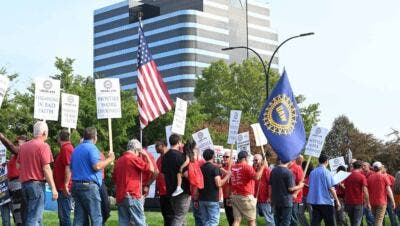
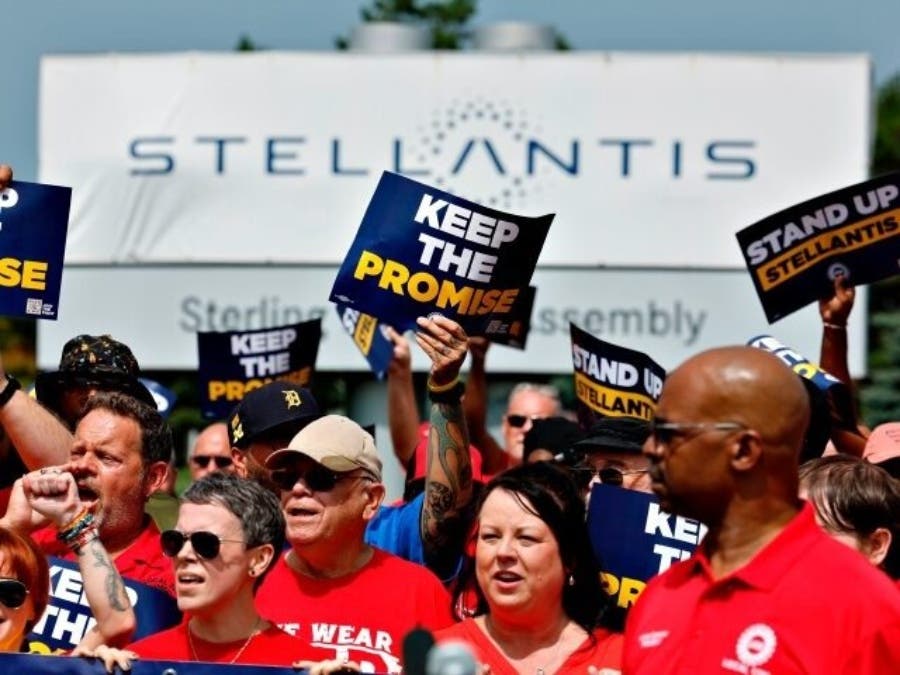
Rich Boyer, UAW vice president and lead official on the Stellantis file, called the situation unacceptable, while president Shawn Fain openly accused the company of corporate greed. Stellantis has also made the climate worse by refusing to disclose either the exact number of non-union employees who will receive a bonus or the total amount involved, leaving the matter clouded in opacity at a time when transparency would matter most.
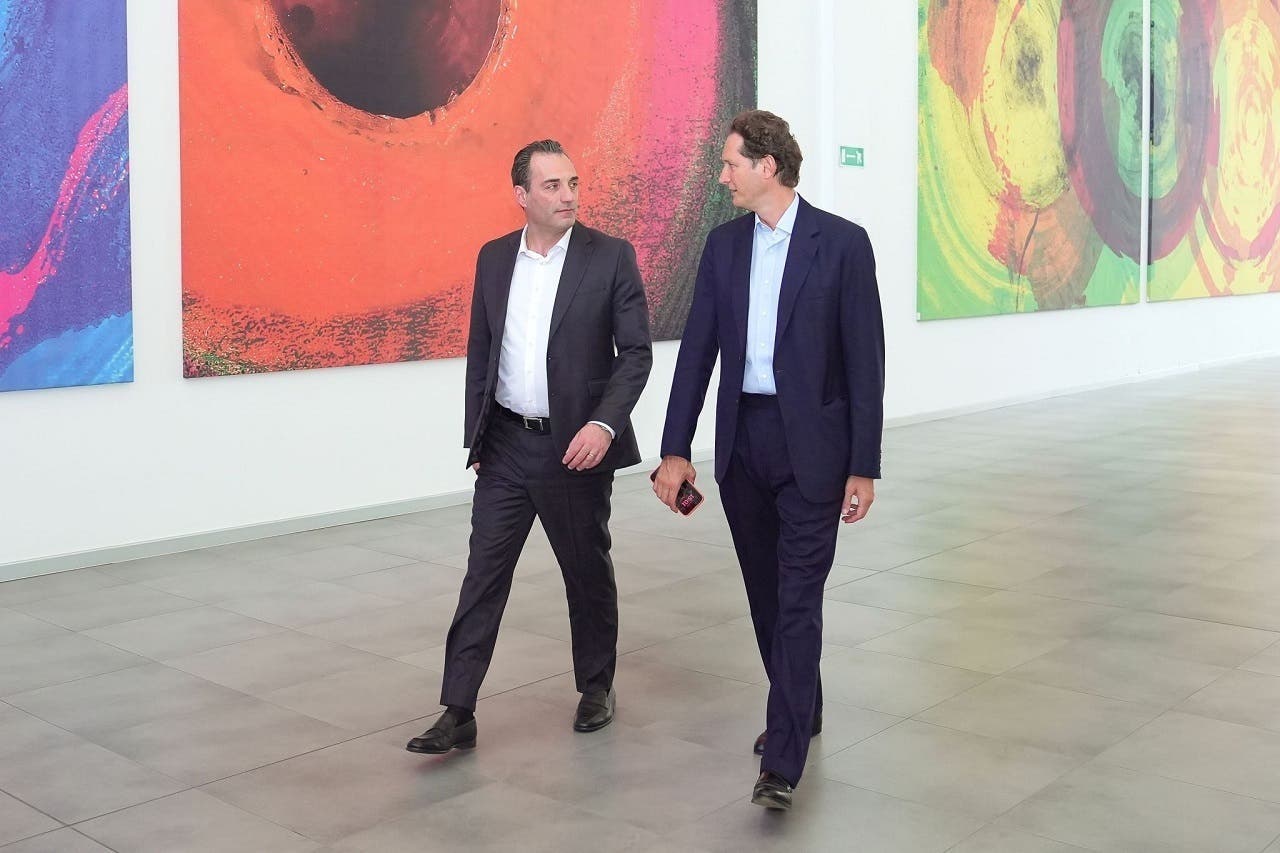
The controversy has also drawn attention to executive pay. Antonio Filosa, who became CEO in June, received total compensation of $6.3 million in 2025, including base salary, relocation allowances, benefits, and company contributions, but corporate documents show that he did not collect any additional bonuses tied to broader company targets. The same appears to apply to John Elkann.
From Stellantis’ point of view, the company did not reward top management in the absence of results. For the union, however, the real issue remains that in such a difficult year part of the salaried and managerial structure can still receive incentives while unionized factory workers get nothing. The union sees that as a divisive signal and as yet another crack in a relationship that has already become deeply strained.
Boyer placed part of the blame on the previous leadership, pointing directly at decisions made under Carlos Tavares. He accused Tavares of damaging the relationship with the workforce and helping weaken the group in a structural way. That interpretation fits into an already fragile picture shaped by disappointing results, leadership changes, and labor tensions that never really disappeared.