John Elkann is increasingly reshaping the way Stellantis reads its recent past, and in doing so he is drawing a more and more visible line away from the approach that had defined the Carlos Tavares era.
Stellantis must change, says Elkann as Filosa begins a new phase
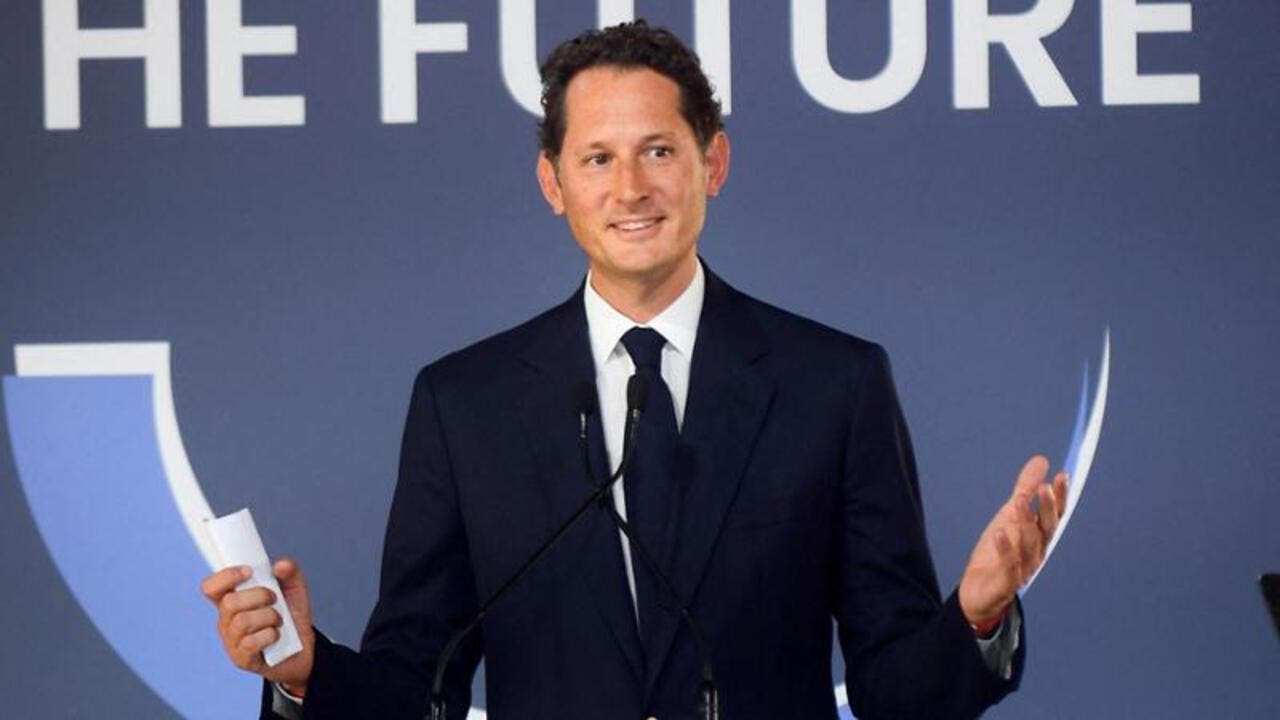
In his latest remarks, made both during Exor’s results conference call and in the holding company’s annual letter to shareholders, the executive chairman described the 2023 results of 189.5 billion euros in net revenue and 18.6 billion euros in net profit as a performance that, however impressive on paper, did not prove sustainable over time. That reinterpretation turns what had looked like the group’s high point into a phase that, under this reading, laid the groundwork for the difficulties that followed.
Elkann never mentions Tavares directly, but the subtext is hard to miss. He insists on the need to review some of the choices made in previous years and acknowledges that the group went through a period of heavy pressure, marked by major losses, external difficulties, and a significant decline in its value. From that reading comes, in the chairman’s words, the need for a change of direction, one that the group has already started to put in place under Antonio Filosa’s leadership.
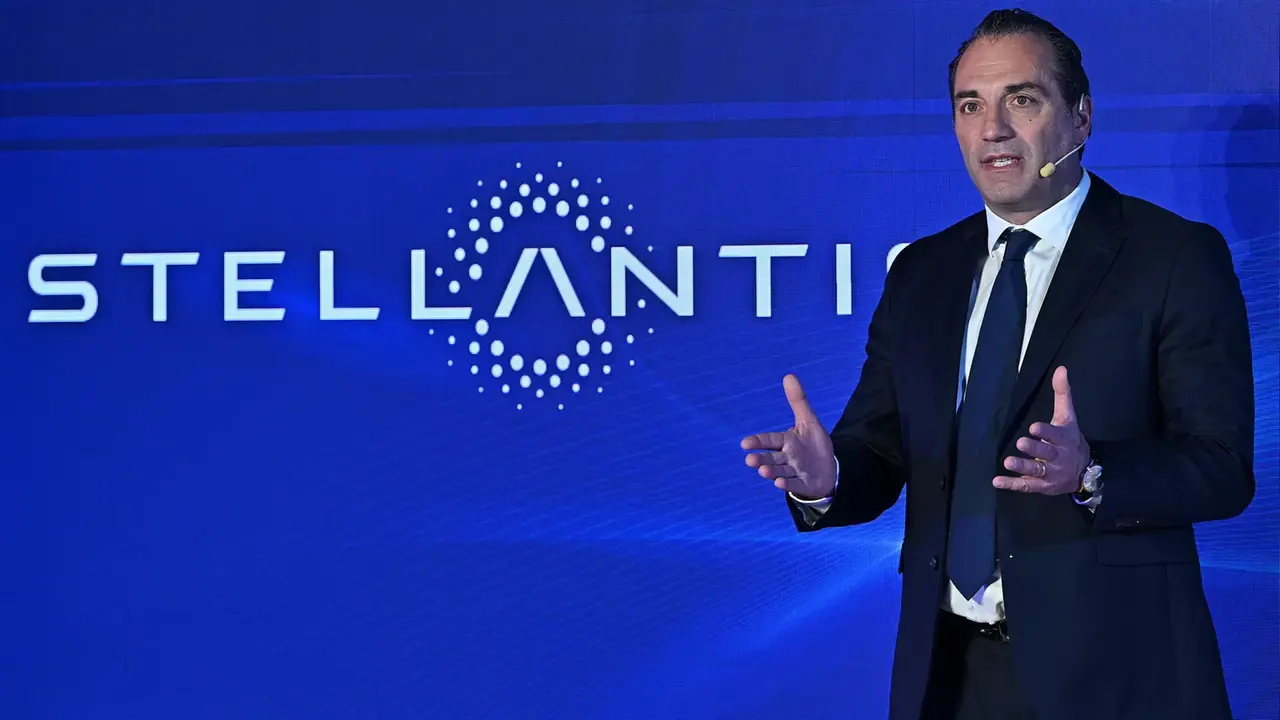
The direction Elkann describes aims to bring Stellantis back onto foundations that he sees as more defensible over the medium term, with recurring emphasis on quality, operating discipline, closeness to customers, and attention to product. Filosa has already started a transformation that puts engineering, production, sales, and internal accountability back at the center, shifting the focus away from financial results that were difficult to repeat and toward growth judged to be slower but more solid.
The real test will come on Capital Markets Day on May 21, 2026, when the group will present its new industrial plan. Elkann pointed to that date as an important step for Stellantis. On May 21, Stellantis will have to show that the break with the Tavares era has already produced operational effects, not just a change in tone in the way it speaks to the market.