

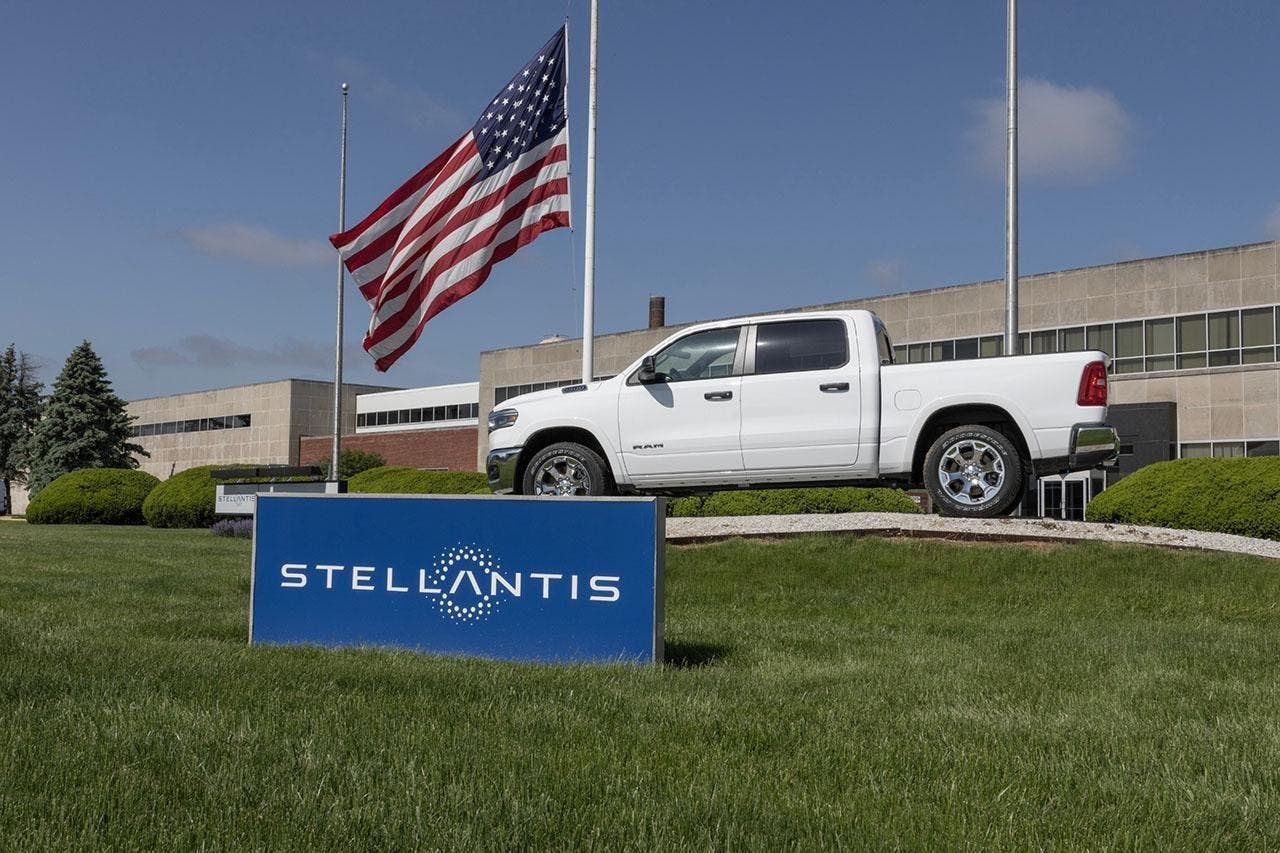
Stellantis ended the second quarter of 2026 with a sharp recovery in volumes, particularly in North America, but the gap between shipments to dealers and actual retail sales calls for a closer look at the result. The group recorded around 445,000 vehicles in the region, up 38% compared with the same period of 2025, while U.S. sales increased by only 6%. The difference suggests that a significant share of those vehicles went into dealer inventory.
Stellantis shipments surge in North America, but retail sales lag behind

The figure reported by Stellantis refers to vehicles delivered and invoiced to dealers, importers, fleets, or direct customers. It therefore does not necessarily match the number of cars consumers have already purchased. The company said the North American increase came from its refreshed lineup and its decision to bring forward some production ahead of scheduled summer plant shutdowns.
Models such as the Ram 1500 with the HEMI V8, Jeep Grand Wagoneer, Grand Cherokee, and Chrysler Pacifica supported shipments. The Jeep Cherokee and Dodge Charger SIXPACK also began contributing to volumes. The return of the Ram 1500 TRX SRT added another high-margin model, but the true effectiveness of this product offensive will depend on retail sales over the coming months rather than simply on the number of vehicles sent to dealers.
Inventory levels make that distinction particularly important. According to Cox Automotive, Chrysler, Dodge, and Jeep held significantly more vehicles in May than they did a year earlier, as supply grew faster than demand. Cars that remain on dealer lots for too long could force Stellantis and its retailers to offer more generous incentives, potentially putting further pressure on margins.

The growth extended beyond North America. Stellantis estimated 1.6 million vehicle shipments worldwide between April and June, a 10% increase over the same quarter of 2025. Enlarged Europe added around 39,000 units and reached 762,000, driven mainly by models built on the Smart Car platform and Leapmotor’s expansion. The Middle East and Africa declined by 3%, as did South America, while Asia Pacific remained stable.
The volume recovery provides initial support for the FaSTLAne 2030 strategy, which includes more than €60 billion in investment and a major renewal of the product lineup. However, the increase does not yet prove that the recovery has become profitable, especially as Stellantis shares continue to trade close to their lowest levels since the group’s creation.
The decisive test will come on July 30, when Stellantis presents its second-quarter financial results. Revenue, margins, and cash flow will show whether the increase in shipments genuinely strengthened the company’s finances or merely moved more vehicles from factories to dealer lots.