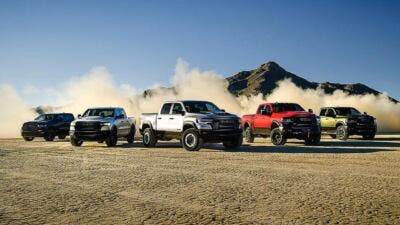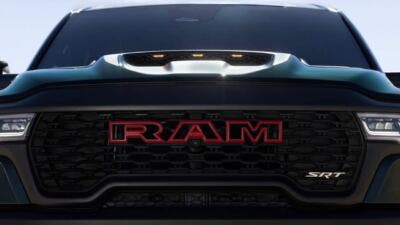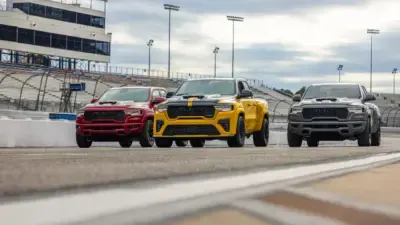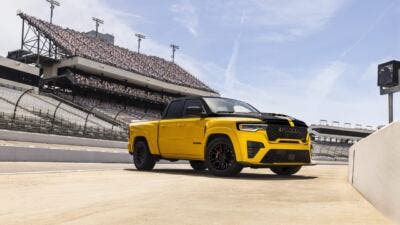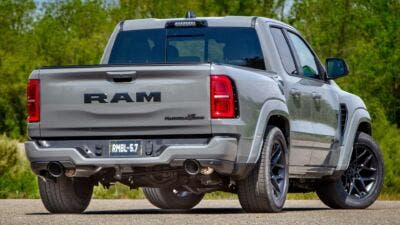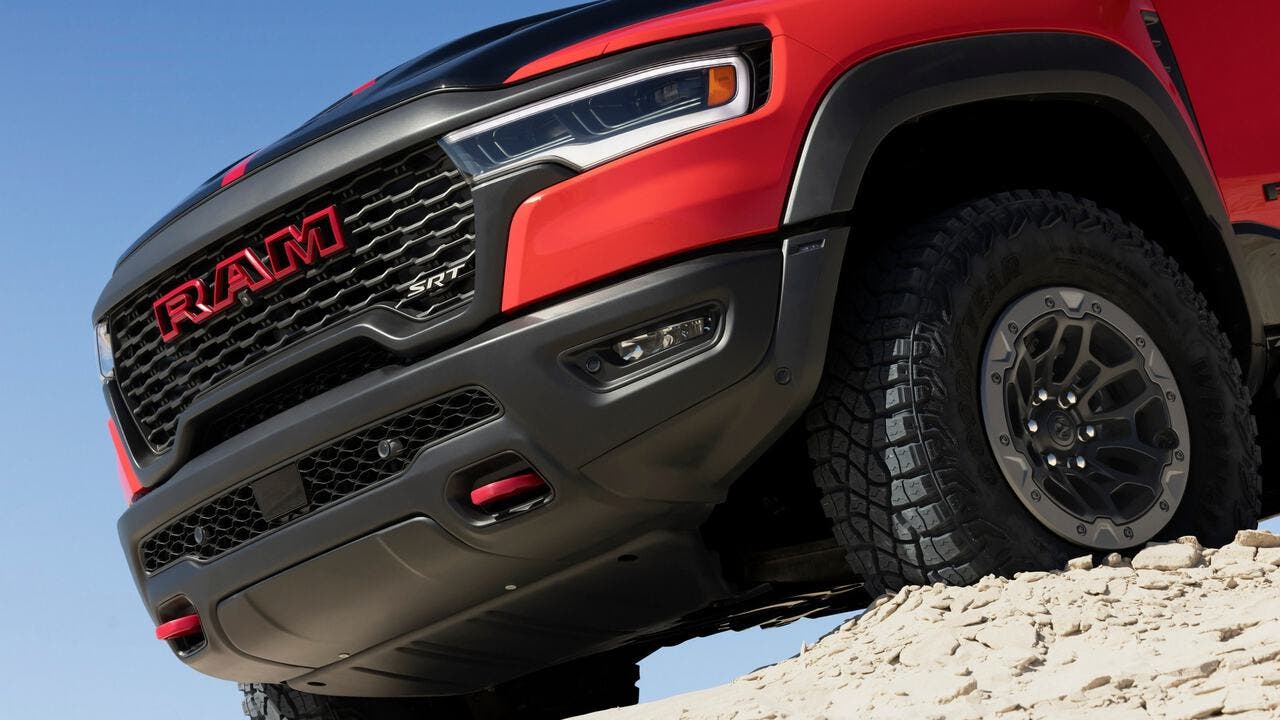
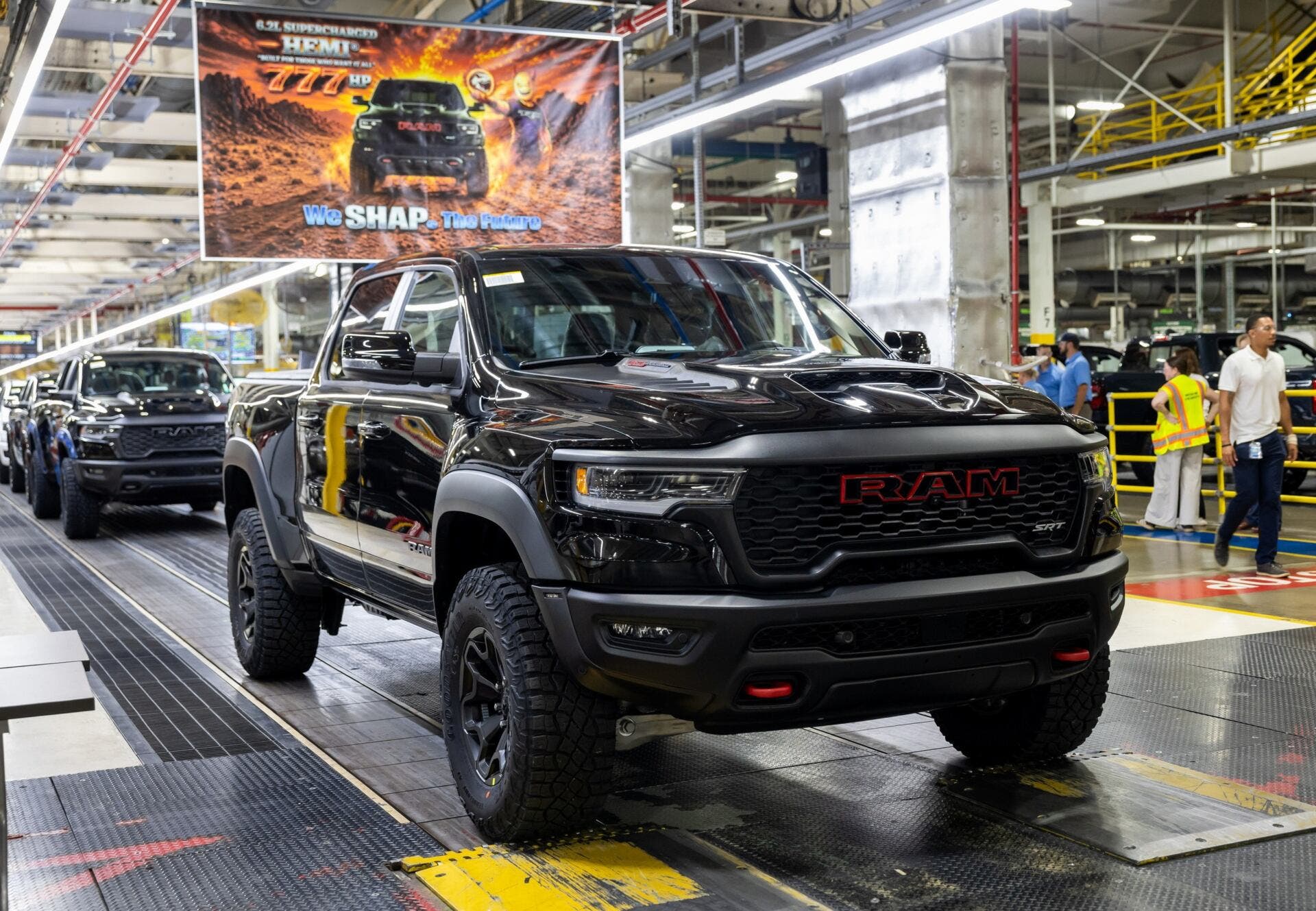
Stellantis’ American outpost is doing what it does best: ignoring the concept of moderation. The first production units of the 2027 Ram 1500 TRX SRT are officially rolling off the assembly line at the Sterling Heights Assembly Plant in Michigan. This milestone proves that if you give the American truck buyer enough horsepower, they will happily forget that the rest of the world is transitioning to electricity.
Ram CEO Tim Kuniskis apparently looked at the previous, already terrifying TRX and decided it was simply too polite for the American market. Enter the newly minted SRT Performance division, resurrecting a legendary three-letter acronym that hasn’t graced a Ram tailgate in two decades.
The resulting mechanical monster packs a ridiculous 777 HP and 680 lb-ft of torque under the hood, claiming the crown as the most powerful mass-produced street-legal half-ton gasoline pickup to ever exit a factory.
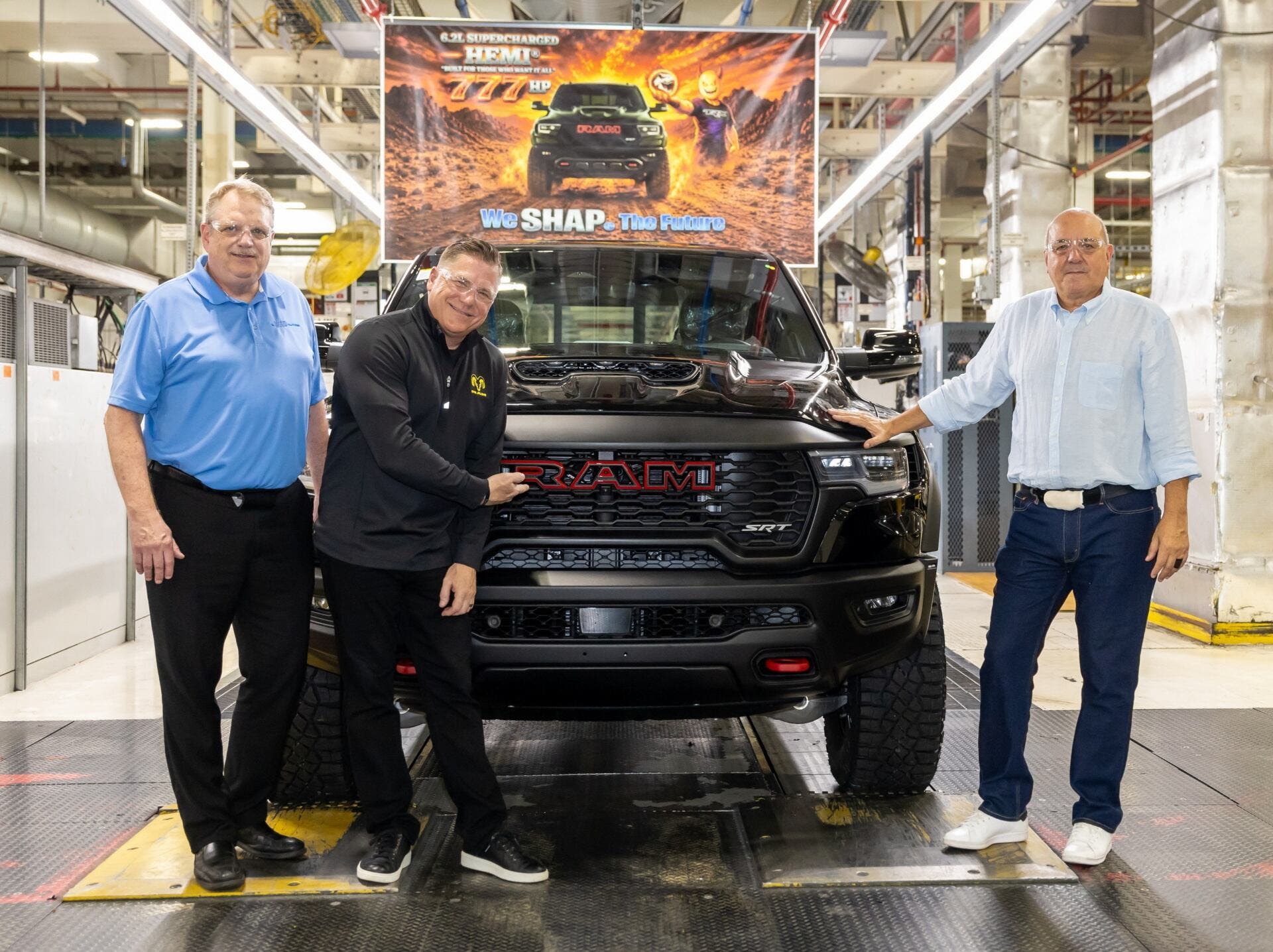
Beyond the absurd performance metrics and the inevitable gas station loyalty cards, there is a compelling industrial story unfolding on the factory floor. Plant manager Chuck Padden noted that the UAW-represented workforce at Sterling Heights isn’t treating this like just another vehicle on the line. There is a distinct, almost defiant sense of pride among the workers assembling this truck. They aren’t just building an off-roader; they are manufacturing a mechanical monument to American excess, carrying the heavy responsibility of delivering the most extreme product their factory has ever seen.
The Sterling Heights facility itself has undergone a massive evolution to make this possible. Once a quiet sedan factory, the site was completely overhauled for truck production in 2018. Since 2016, the company has dumped more than $1.7 billion into upgrading the Michigan plant with modern machinery and updated manufacturing processes.
Over two million Ram 1500 models have left these gates over the last few years, but none have carried this kind of cultural and financial weight. Thousands of blue-collar workers are now watching their heavy-metal labor leave the lines and head toward American dealerships, proving that while corporate marketing teams love to talk about carbon footprints, what actually prints money in Detroit is pure, unadulterated horsepower.