

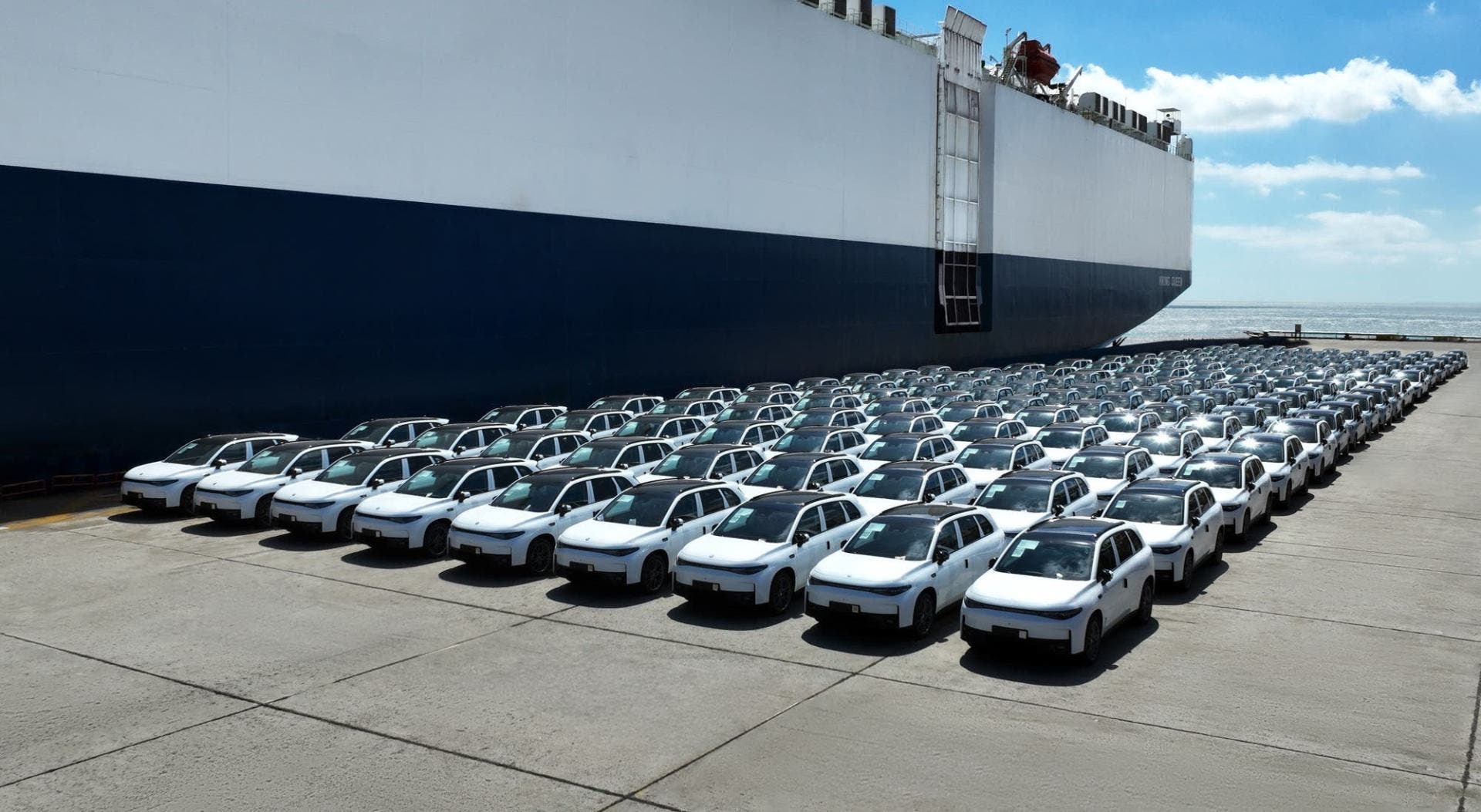
Stellantis has decided to use the CO2 credits generated by Leapmotor’s electrified vehicles to lower the average emissions of its European fleet, strengthening on a highly sensitive regulatory front an alliance that until now had operated mainly on the commercial and distribution side.
The move comes after the group led by Antonio Filosa left the large European emissions pool built around Tesla. It marks a strategic shift that moves the management of regulatory constraints directly inside the partnership with the Chinese automaker.
Stellantis is turning to Leapmotor green credits instead of Tesla in Europe
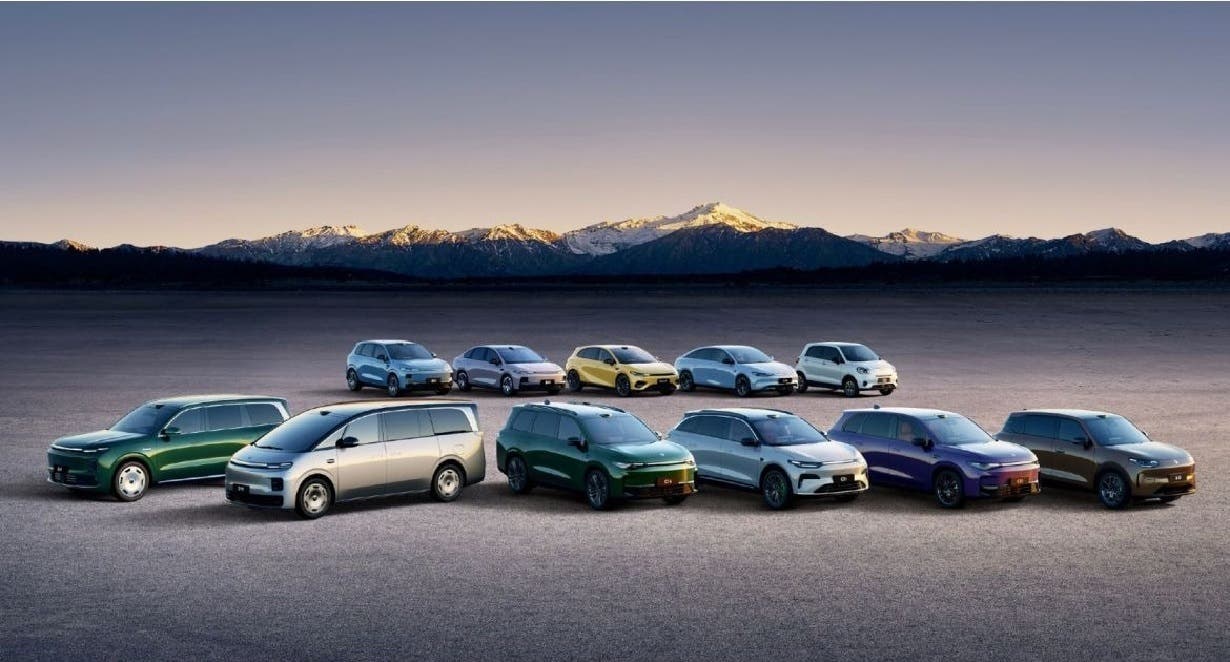
The operation relies on the pooling mechanism allowed under European rules. That system lets automakers whose average emissions exceed the required limits rebalance their aggregate figures by virtually combining their fleet with that of brands that perform better on CO2.
Under this framework, manufacturers with a high share of combustion or hybrid models can offset their excess emissions by buying credits from brands that mainly sell zero-emission or low-emission vehicles, avoiding the penalties built into EU regulation. The system gives a clear advantage to brands with a strong electric focus, and Leapmotor is now stepping into that role with increasing weight.
The Chinese company has said it will transfer to Stellantis’ European subsidiaries the credits generated by sales of all fully electric vehicles and also of the range-extender models it sells under its own brand in the European Union and the United Kingdom.
According to Leapmotor, the total value of the transferred credits reached 1.1 billion yuan in 2025, or about €138 million. In 2026, that figure could rise to 2.8 billion yuan, or roughly €350 million. Those numbers give a very clear sense of the economic importance this agreement is taking on for both sides.
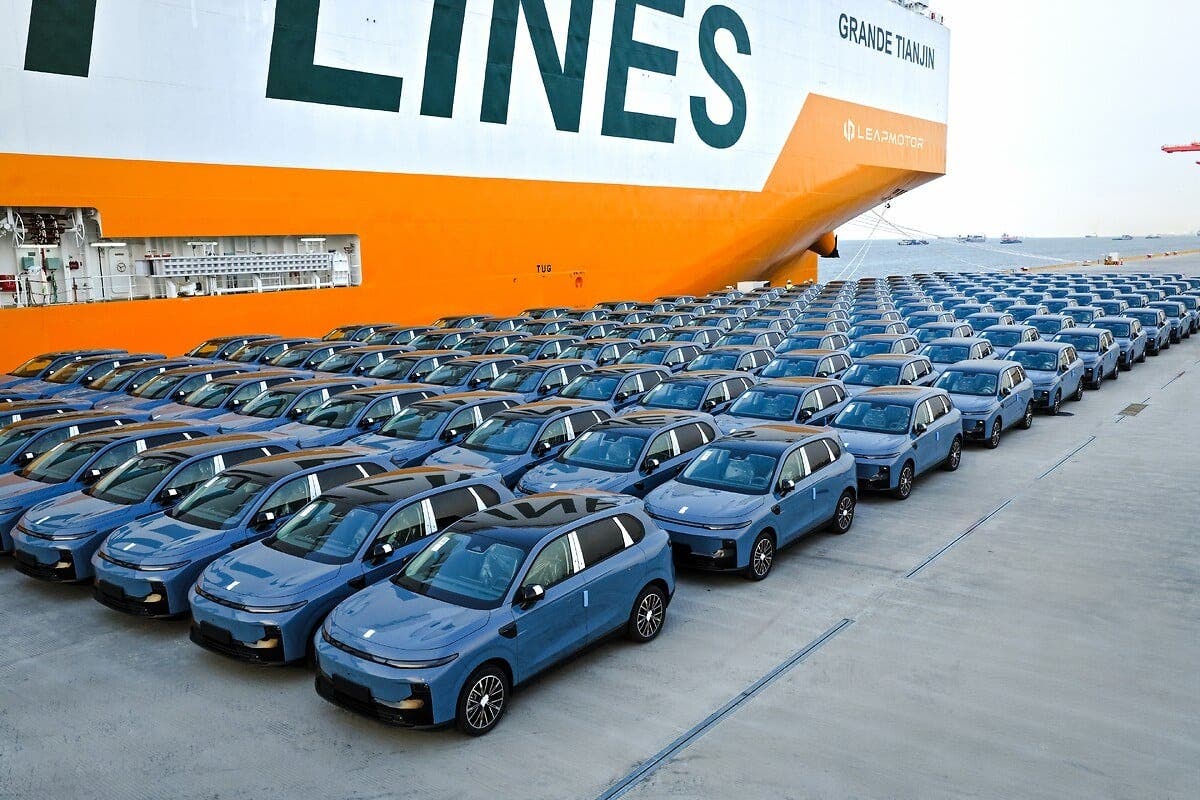
For Stellantis, the benefit is twofold. On one side, the group reduces its exposure to the risk of penalties at a time when its electric transition is still moving gradually. On the other, it removes its dependence on an external pool tied to a direct rival such as Tesla.
For Leapmotor, the agreement turns the brand’s European expansion into something that goes beyond sales volume alone. It adds a structural source of economic value that grows alongside the brand’s commercial presence and increases the overall return of that expansion. The picture that emerges confirms that the relationship between the two groups is evolving quickly from a simple distribution partnership into a broader strategic integration that now also touches the regulatory and financial side of Stellantis’ European business.