

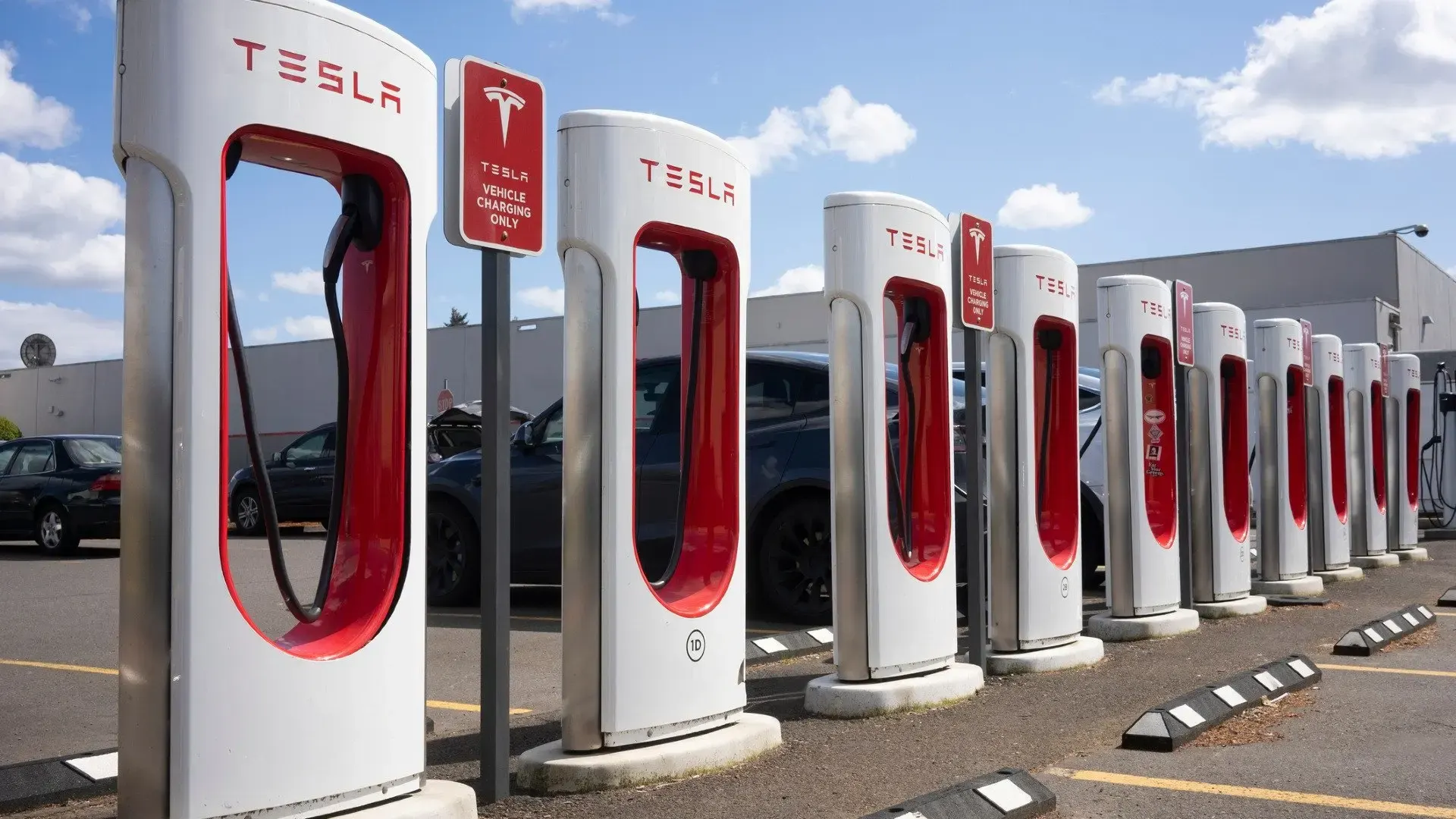
An important development from Europe involves Tesla and, indirectly, the Stellantis group. For years, the European automotive market has used a specific system linked to the emissions of vehicles sold by manufacturers. The European Commission enforces strict limits on the average CO₂ emissions of each brand’s fleet. Automakers that exceed these thresholds face extremely high penalties.
To avoid billion-dollar fines, manufacturers can join groups that share the calculation of their overall emissions. This mechanism, known as “pooling,” allows brands with higher emissions to offset their results through companies that sell large numbers of electric vehicles and therefore generate surplus environmental credits.
Toyota and Stellantis exit Tesla’s emissions credit pool in Europe
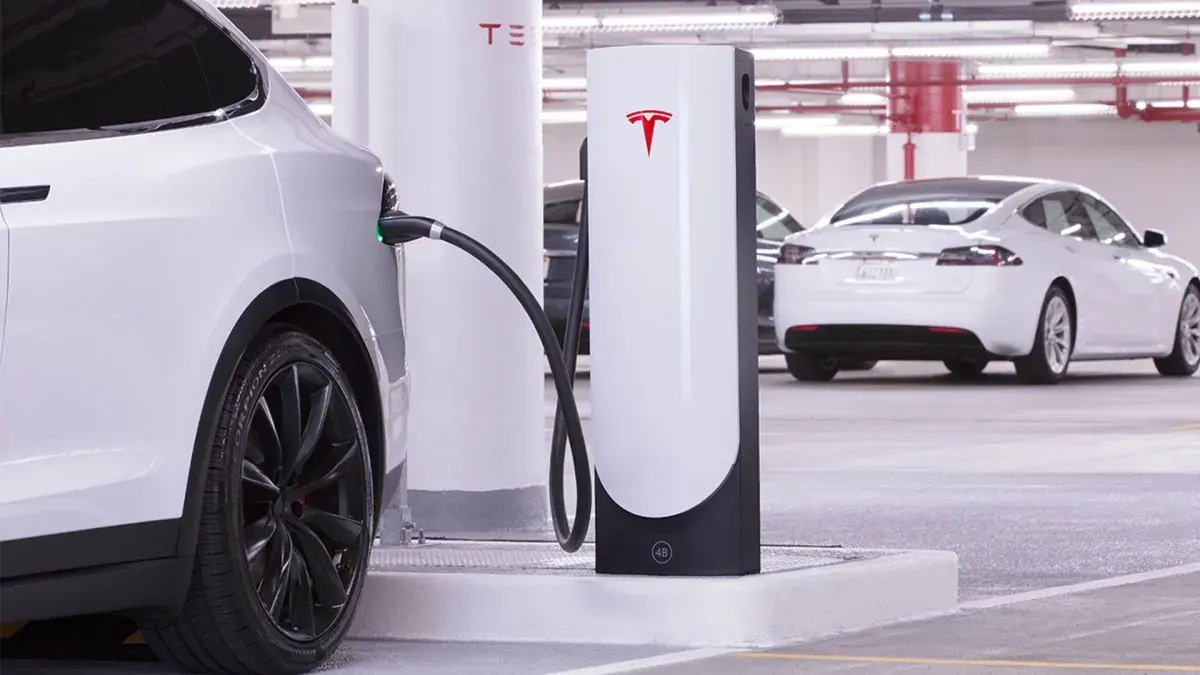
This cooperation does not come free of charge. Companies that benefit from these credits must pay to join the pool. In recent years, Tesla has gained significant advantages from this system. Because the company produces only electric vehicles, it generates large volumes of emission credits, which it can then share with other automakers in exchange for payment.
In 2025, the group coordinated by Tesla included several traditional manufacturers still moving through the transition toward electrification. The pool featured brands such as Toyota, Stellantis, Ford, Honda, Mazda, Subaru, Suzuki and Leapmotor. For Tesla, the system proved extremely profitable. In 2025 alone, revenue from environmental credit sales exceeded $2 billion, representing a major income source for the company.
In 2026, however, the situation appears to be changing. Documents published at the European level indicate that two major automotive groups have decided to leave the Tesla-led pool: Toyota and Stellantis. Following their departure, Leapmotor, the Chinese brand whose international operations Stellantis manages, also exits the agreement. The remaining pool now consists of Tesla, Ford, Honda, Mazda and Suzuki.
The decision by the two automakers suggests greater confidence in their ability to meet emission limits without purchasing external credits. Toyota relies on a wide range of hybrid models, a technology the Japanese brand has developed for years and which continues to deliver relatively low emission levels. At the same time, the company is expanding its lineup of fully electric vehicles.
Stellantis follows a different strategy built around rapid electrification across its portfolio. This approach also includes cooperation with Leapmotor, which plans to strengthen its presence in Europe in the coming years. The Chinese brand, focused on electric vehicles, could help further improve the group’s overall emissions balance.
For Tesla, the exit of Toyota and Stellantis could mean losing part of the revenue stream that has contributed significantly to its financial results in recent years. In the United States, regulators have already scaled back a similar credit system, leaving Europe as one of the few markets where these agreements still carry substantial economic weight.
That said, the situation remains fluid. European rules finalize the composition of emission pools only from December 1. If sales of low-emission vehicles do not grow as expected in the coming months, Toyota and Stellantis could still decide to rejoin the agreement.