

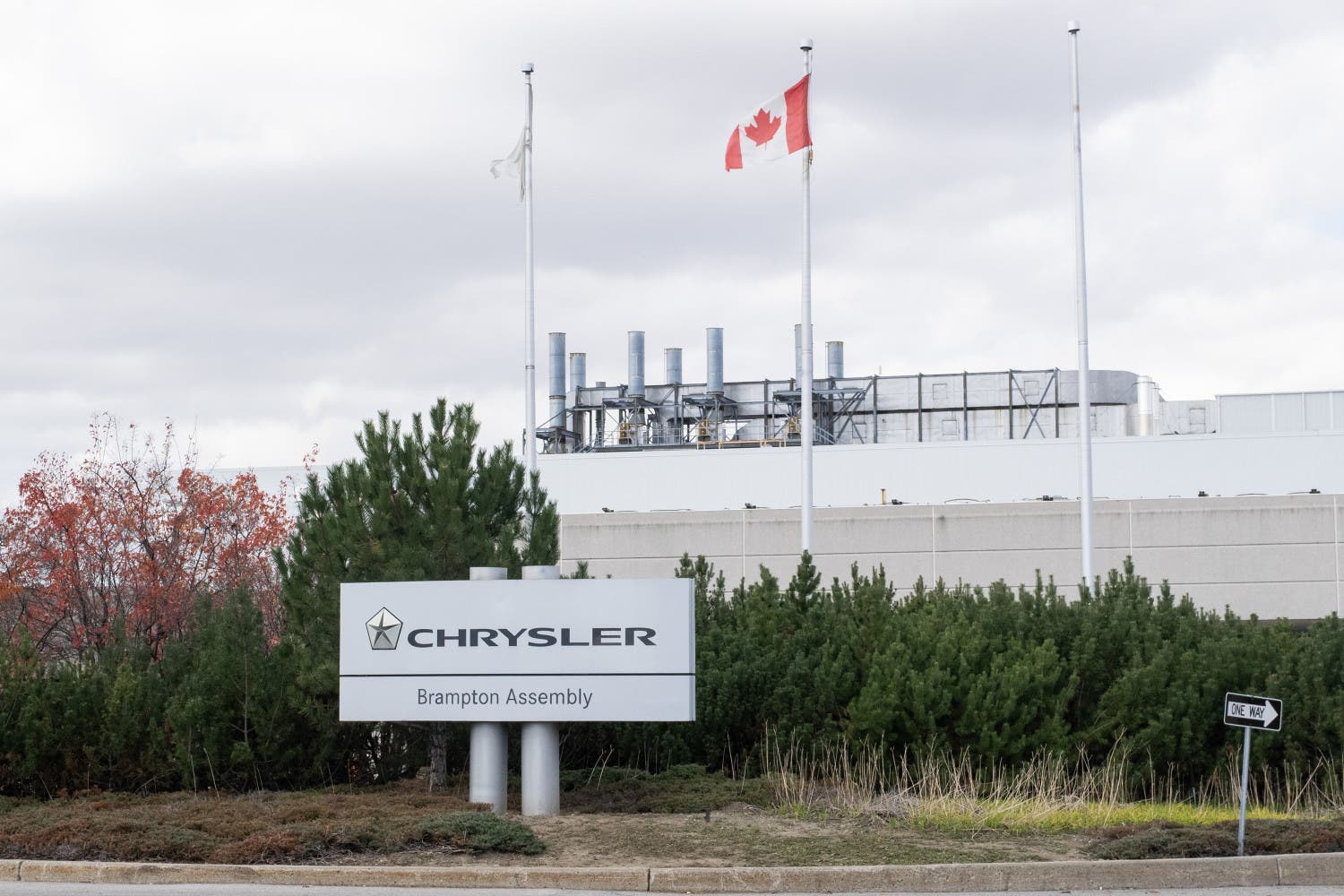
The idea that Stellantis could assign its Brampton plant in Canada to the assembly of Leapmotor models has sparked a debate that quickly moved beyond the auto industry and turned into a political issue of national importance. At first, the news received a fairly open response because it seemed to offer the possibility of reviving a site that has been idle for about two years and creating new jobs. The tone of the discussion changed sharply, however, once more details emerged about the nature of the proposed operation.
Stellantis faces backlash in Canada over a possible Leapmotor assembly plan

According to reports that have circulated in recent weeks, Brampton would not handle full production in the traditional sense. Instead, the plant would likely assemble vehicles largely built elsewhere using kits shipped from China. That aspect turned what at first looked like positive news into a very sensitive source of friction between Stellantis and Canadian institutions.
Critics are focusing on the operation’s real industrial value for the country. If the vehicles arrive almost complete and workers in Canada carry out only limited finishing work, then the contribution to the national manufacturing chain would be far smaller than that of a genuine production program. That would also reduce the benefits for jobs, suppliers, and the wider industrial ecosystem.
Among the most prominent critics are Ontario Premier Doug Ford, federal Industry Minister Melanie Joly, and the Unifor union. All of them fear that Stellantis could present the project as a new manufacturing phase even though it would deliver much more limited benefits for the local industrial system. The issue also comes at a particularly sensitive moment because many people still remember the disappointment surrounding the plant’s recent history. Under Carlos Tavares, Stellantis had identified Brampton as the site for production of the new Jeep Compass for North America, only to later move that program to the United States and leave the factory without a defined manufacturing mission.
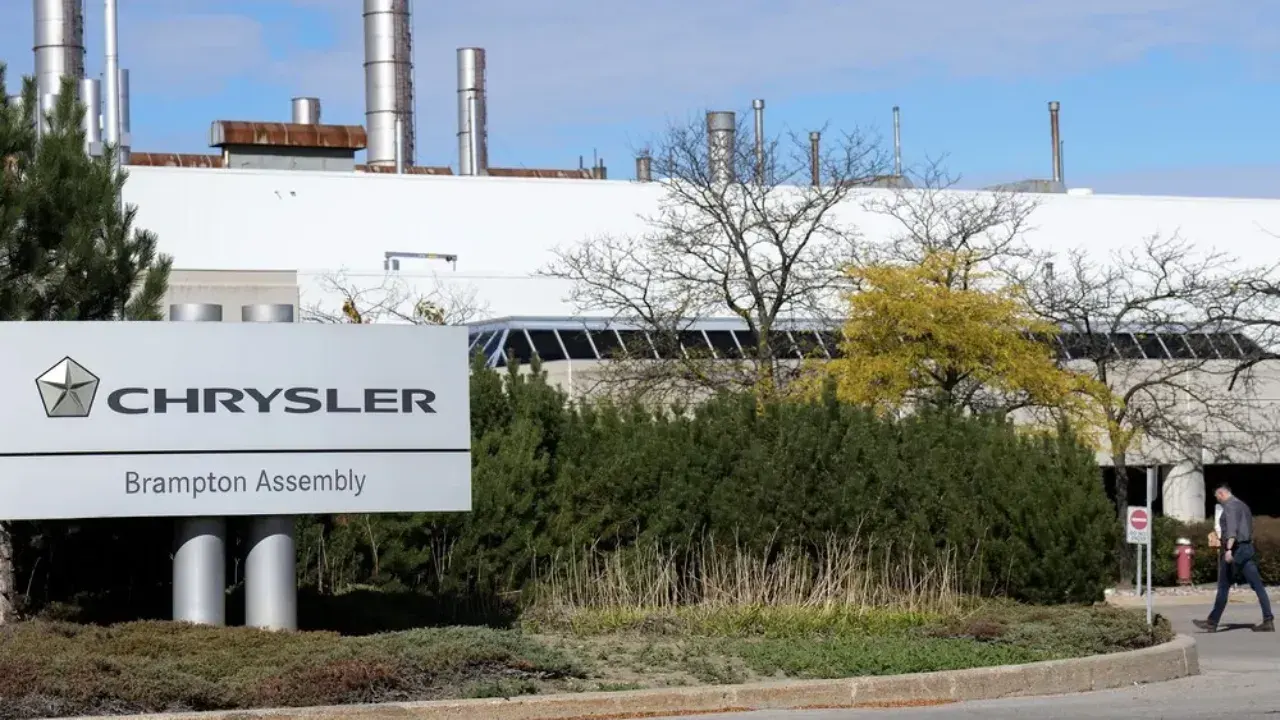
The deeper concern, voiced both by politicians and labor representatives, is that an operation based mainly on kit assembly would require less labor than a full production cycle. In that case, the project would not only fail to deliver a true revival of the site, but could also offer weaker employment guarantees than the local community would expect from a plant of that size.
It remains to be seen whether Stellantis, now under Antonio Filosa, will continue down this path, perhaps by reshaping the scope of the project to answer the objections that have surfaced, or whether the group will rethink its plans for Brampton in light of the strong reaction in Canada and possibly assign the site a more substantial industrial program instead.