Stellantis has outlined, through the faSTLAne 2030 plan, an industrial strategy built around the launch of more than 60 new models by the end of the decade, supported by a deep renewal of platforms, software and international alliances. The group created from the merger between FCA and PSA wants to respond to growing pressure from Chinese automakers, which are becoming increasingly competitive in electrification, technology and pricing.
Stellantis prepares a product and technology marathon through 2030

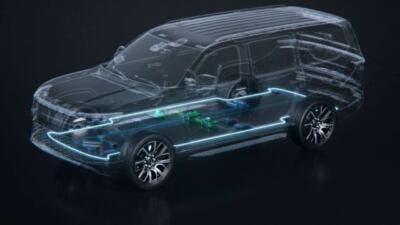
On the technology side, the STLA Brain architecture should cut the number of control units in half and increase onboard computing power by up to six times, thanks also to cooperation with Qualcomm and Applied Intuition. The system will manage over-the-air updates, remote diagnostics and a more advanced interaction between driver and vehicle. Alongside this digital platform, Stellantis will introduce STLA AutoDrive for advanced driver assistance and SmartCockpit, a highly digital dashboard aimed especially at higher-end models.
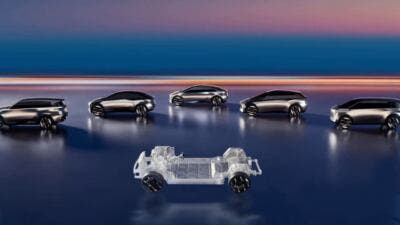
The new mechanical platforms represent another pillar of the strategy. STLA One, expected to debut in 2027 with the new Peugeot 208, could later extend to Opel, Jeep and Alfa Romeo models, offering a modular architecture suited to different body styles and powertrains. For affordable EVs, the E-Car platform should underpin models such as the future Citroën 2CV and the new Fiat Pandina, with very accessible prices and a launch expected around 2028.
Joint ventures with Chinese automakers Leapmotor and Dongfeng play an increasingly important role in the plan. The agreement with Dongfeng includes distribution and production of some models at the Rennes plant, with the aim of bypassing tariffs on imports from China. The Leapmotor partnership, already active through Leapmotor International, could move toward a more industrial role with the assembly of the B10 at the Spanish plants in Madrid and Zaragoza, as well as the possibility that Opel develops one of its own models on a Leapmotor platform.
In the United States, faSTLAne 2030 relies on a $13 billion investment announced by Stellantis to expand American production capacity, with the reopening of the Belvidere plant in Illinois for new Jeep models and the launch of eleven all-new vehicles for North America by 2030. Perhaps the most significant development, however, concerns a memorandum of understanding with Jaguar Land Rover to explore product-development synergies in the United States. The agreement remains preliminary and non-binding, but it could lead to shared platforms, technologies and even production sites.
For JLR, which currently has no plants in the United States, the collaboration would offer a way to reduce exposure to import tariffs and strengthen its presence in the world’s most profitable luxury market. For Stellantis, the agreement could open access to Land Rover and Jaguar’s premium know-how, with the possibility, already discussed by several analysts, of a future luxury Jeep developed with JLR technology and aimed directly at the premium SUV segment, where the American brand has never fully consolidated its position.
The group’s ambition is high, but the time available remains limited. The plan covers only four years and requires Stellantis to bring new platforms, unprecedented industrial partnerships and one of the largest product offensives in its recent history to full speed at the same time. For Stellantis, this now looks like a real marathon.