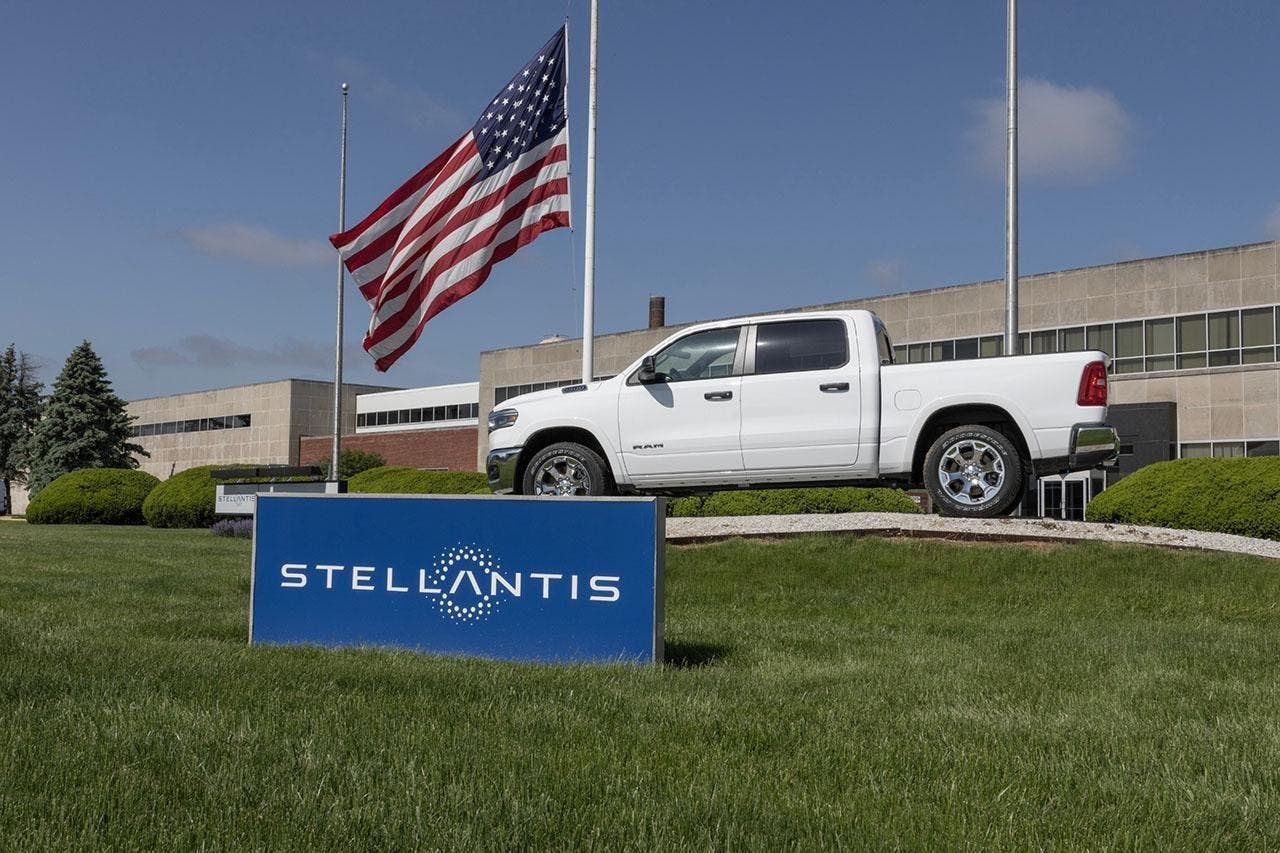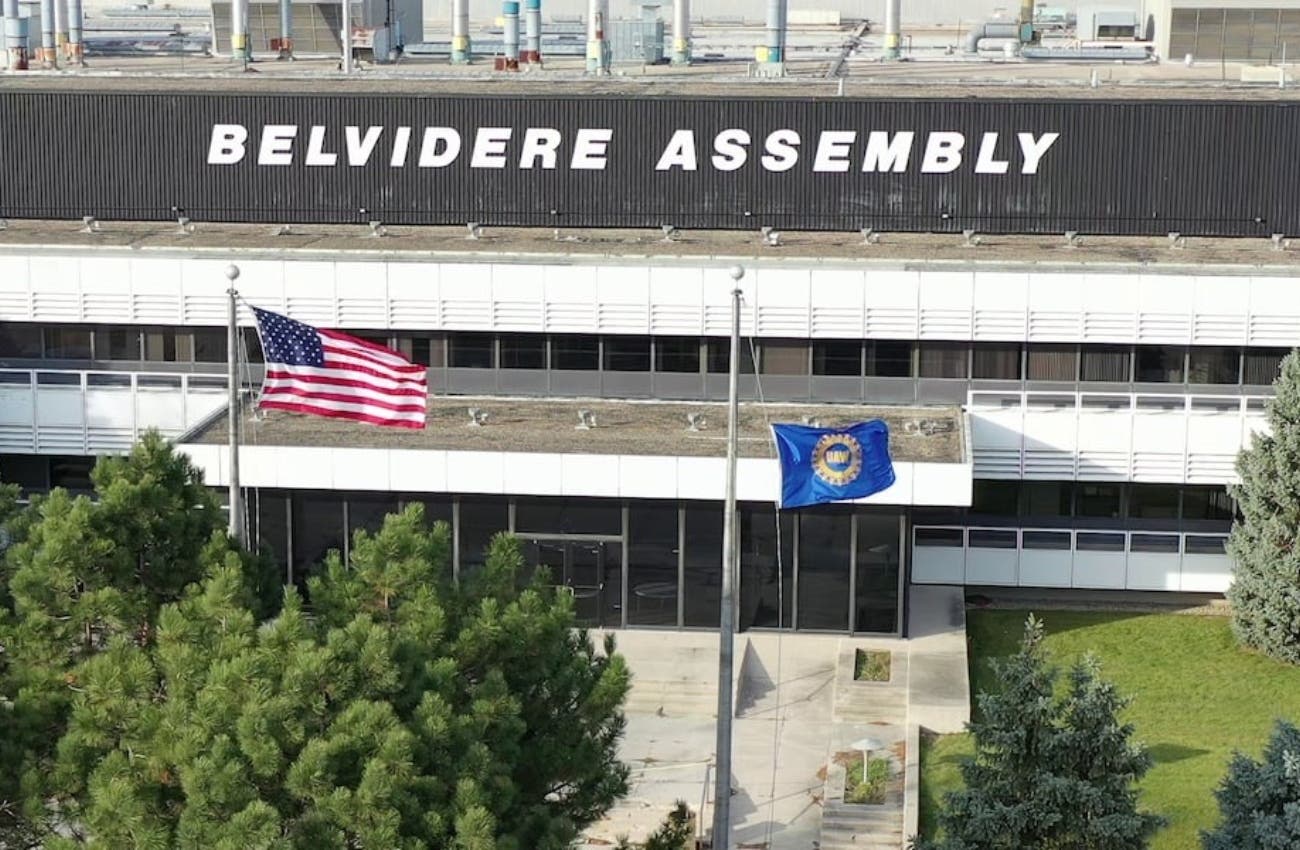
After months of difficulty, Stellantis’ American divisions are finally showing signs of recovery. The return of the HEMI V8, the launch of new models, and a substantial investment plan have brought renewed momentum to historic brands such as Jeep, Ram, and Dodge. However, behind this apparent revival lies a much more delicate issue that will likely influence the group’s future decisions.
In the United States, the rift between former CEO Carlos Tavares and the dealer network never truly healed. Even today, dissatisfaction remains evident. Sean Hogan, chairman of the Stellantis National Dealer Council, recently highlighted how tensions had already emerged well before Tavares stepped down. Dealers openly criticized what they saw as a gradual erosion of American brand identity and a management style disconnected from local culture.
Stellantis regains momentum in the U.S., but deeper issues remain
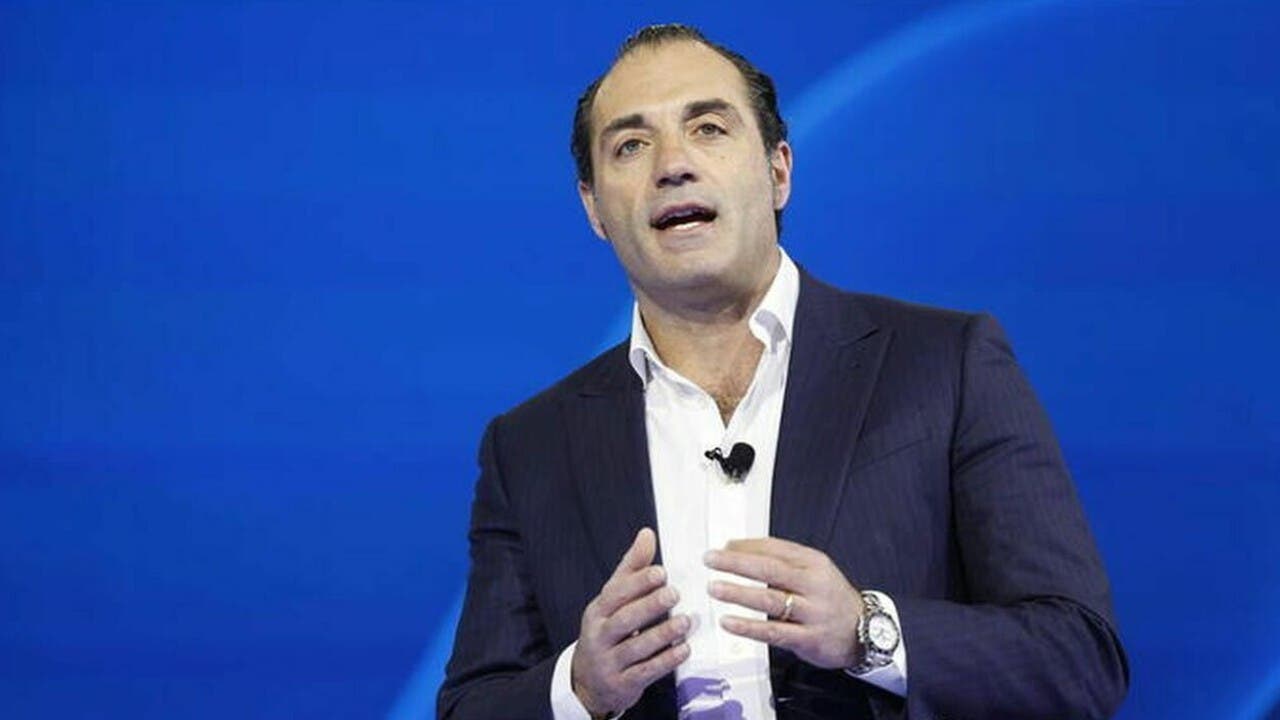
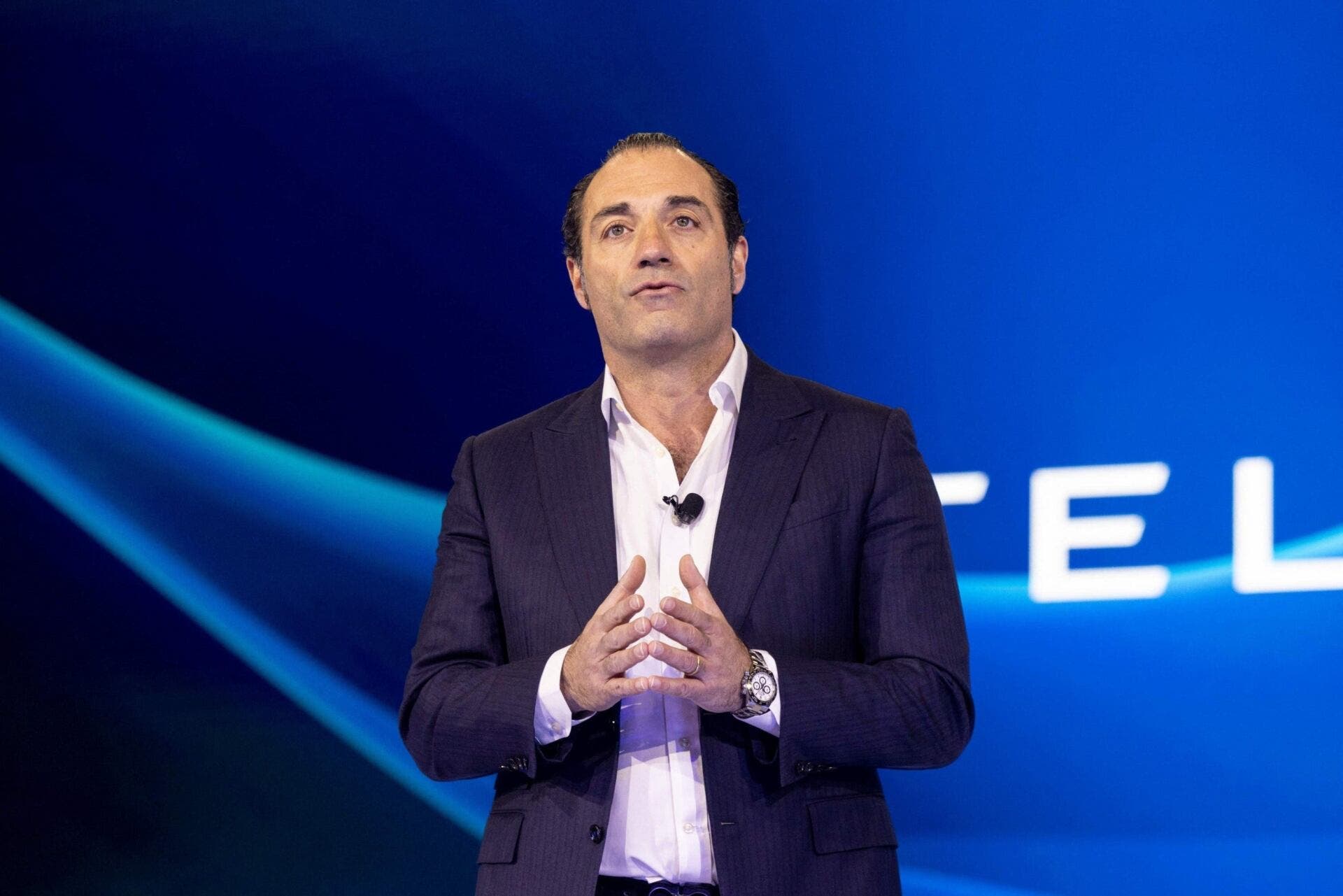
According to Hogan, the problem went beyond financial performance and touched on vision. The attempt to reshape the brands into more rational and less emotional products created a deep divide. Jeep, Ram, and Dodge have always stood for character, power, and personality. Efforts to make them more restrained and aligned with a purely industrial mindset frustrated dealers and customers alike. The arrival of Antonio Filosa therefore marked a clear change of direction. The return of the HEMI engine became the symbol of that shift, restoring an emotional connection with long-time buyers.
Looking ahead, prospects in the U.S. market now appear more solid. Hogan suggested that upcoming products could further strengthen the group’s position, starting with the next-generation Dodge Durango and a new Ram SUV designed to compete directly with flagship models from Ford and General Motors. Even so, this recovery phase does not eliminate a deeper structural issue that Stellantis has carried since its formation.
With fourteen brands under one umbrella, managing the portfolio has become increasingly complex. Resource dispersion and brand overlap remain real concerns. Even industry giants such as Volkswagen operate with fewer marques. For this reason, the new management team now closely examines the actual value and strategic role of each brand.
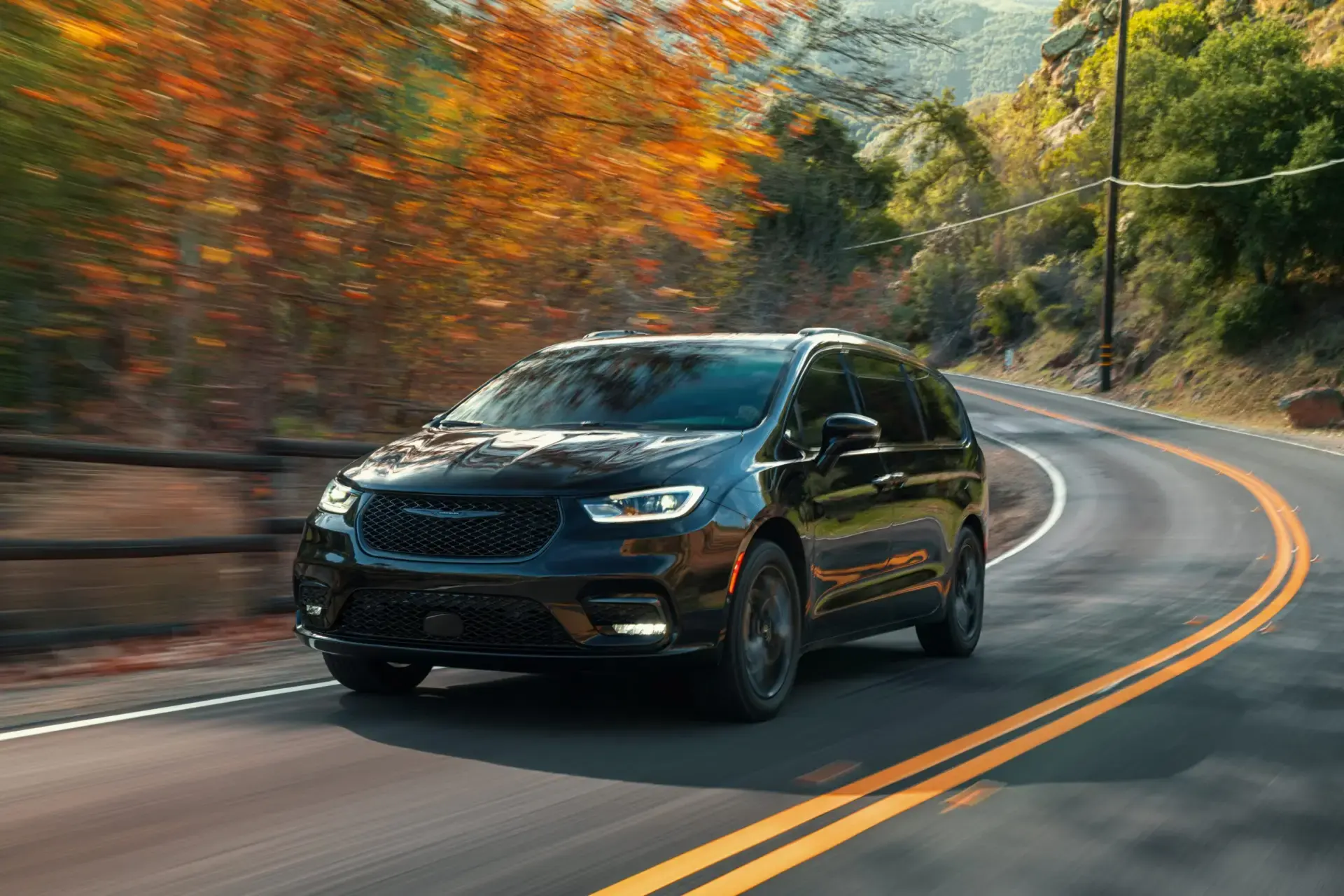
Some names appear relatively safe, especially Jeep and Ram, which continue to anchor Stellantis’ performance in North America. Others face greater uncertainty. In Europe, Lancia’s revival progresses slowly, while in the United States Chrysler relies almost entirely on the Pacifica. In both cases, the future remains far from guaranteed.
The idea of rationalization no longer seems taboo. On the contrary, it grows more likely that certain brands will pay the price of a more selective strategy. Antonio Filosa, widely regarded for his focus on product and market realities, may soon face difficult but unavoidable choices. To secure long-term stability, Stellantis may have to let go of part of its legacy, even if that means saying goodbye to historic names that helped shape automotive history.