

In recent months, the future of brands such as Chrysler, Abarth, Maserati, and Lancia has often come under scrutiny. Commercial challenges, especially at Maserati, have fueled doubts and speculation, while Lancia has yet to find its footing with the new Ypsilon, which has fallen short of initial volume expectations. As for Abarth, the brand’s full shift to electric vehicles has failed, prompting a return to internal combustion engines. Chrysler, meanwhile, currently relies on a single model in its lineup, which still sells well in the United States and Canada but does not provide a sufficient long-term foundation. In this environment, rumors about downsizing, cuts, or even divestments have inevitably surfaced.
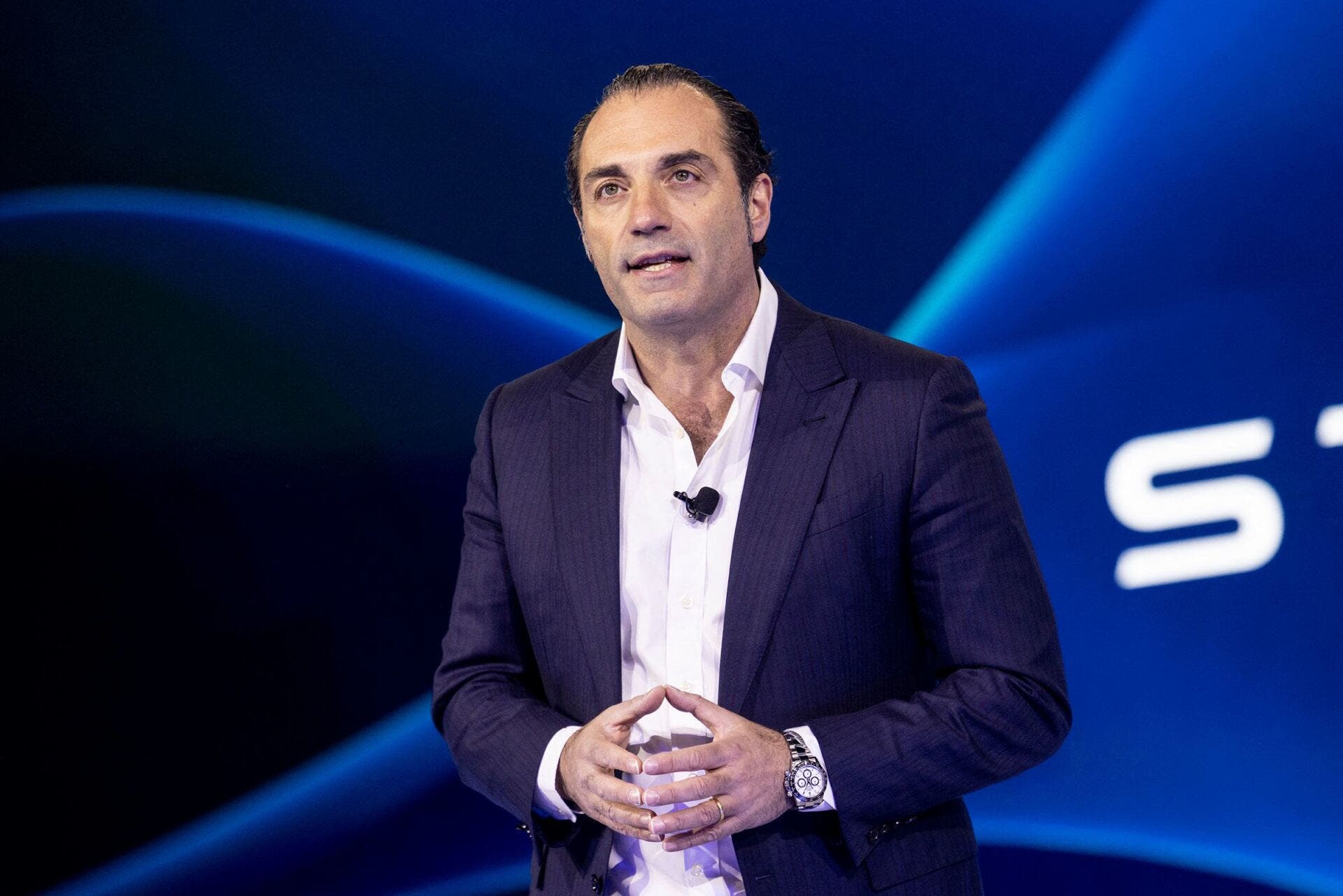
Analysts have repeatedly speculated about a possible sale of Maserati to Chinese or Middle Eastern groups, rumors that Stellantis has always denied. Attention around Lancia has instead focused on the future of its upcoming models, with some analysts questioning whether the new Delta will actually move forward. Recent statements from Antonio Filosa have helped clarify the situation, at least in part.
No brand will be left behind, says Stellantis CEO
In an interview with the Italian outlet Quattroruote, the Stellantis CEO reaffirmed that every brand currently in the group’s portfolio plays a strategic role and that the company does not plan to sideline any of them. He outlined a strategy built around maintaining a broad and diversified lineup, supported by targeted investments.
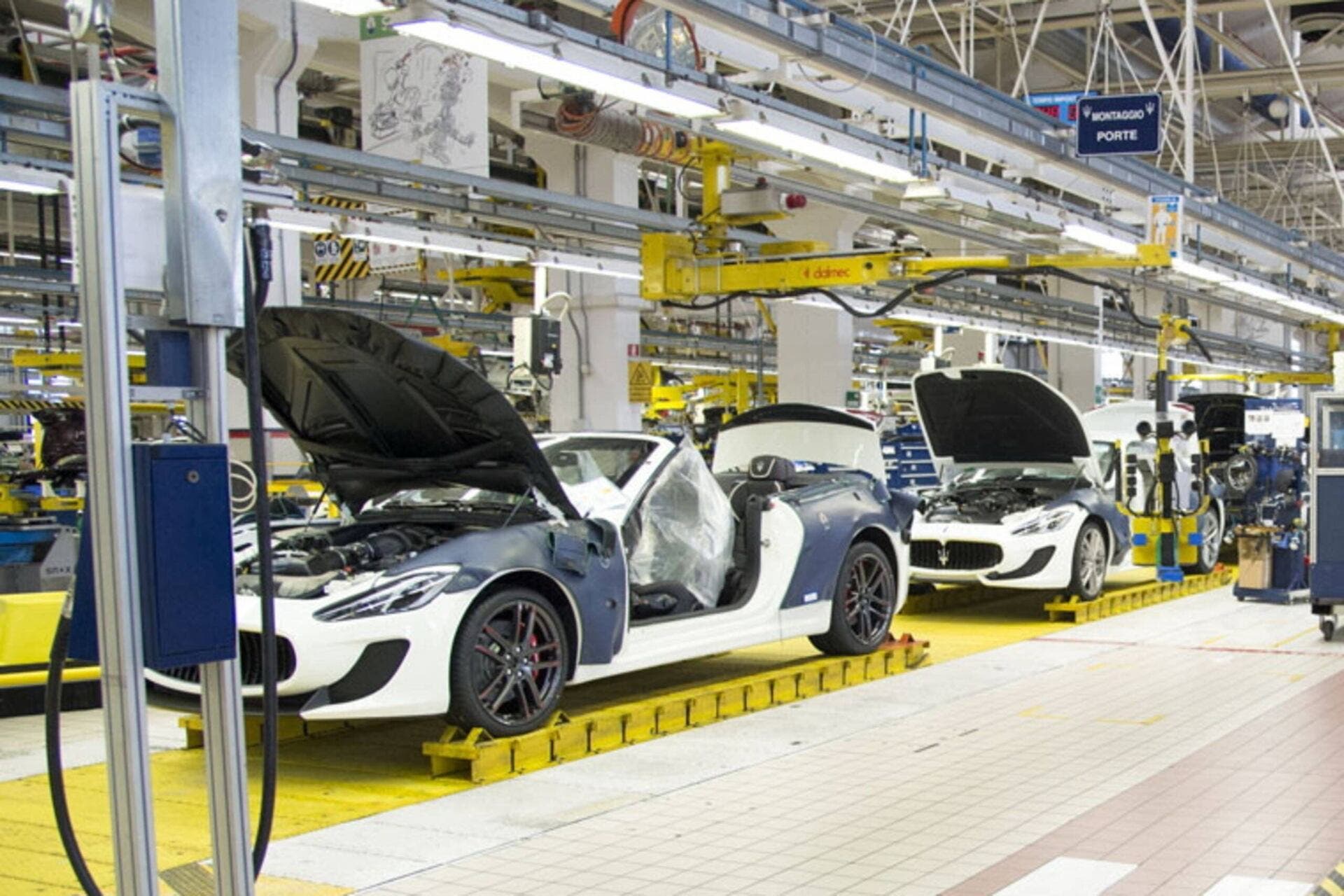
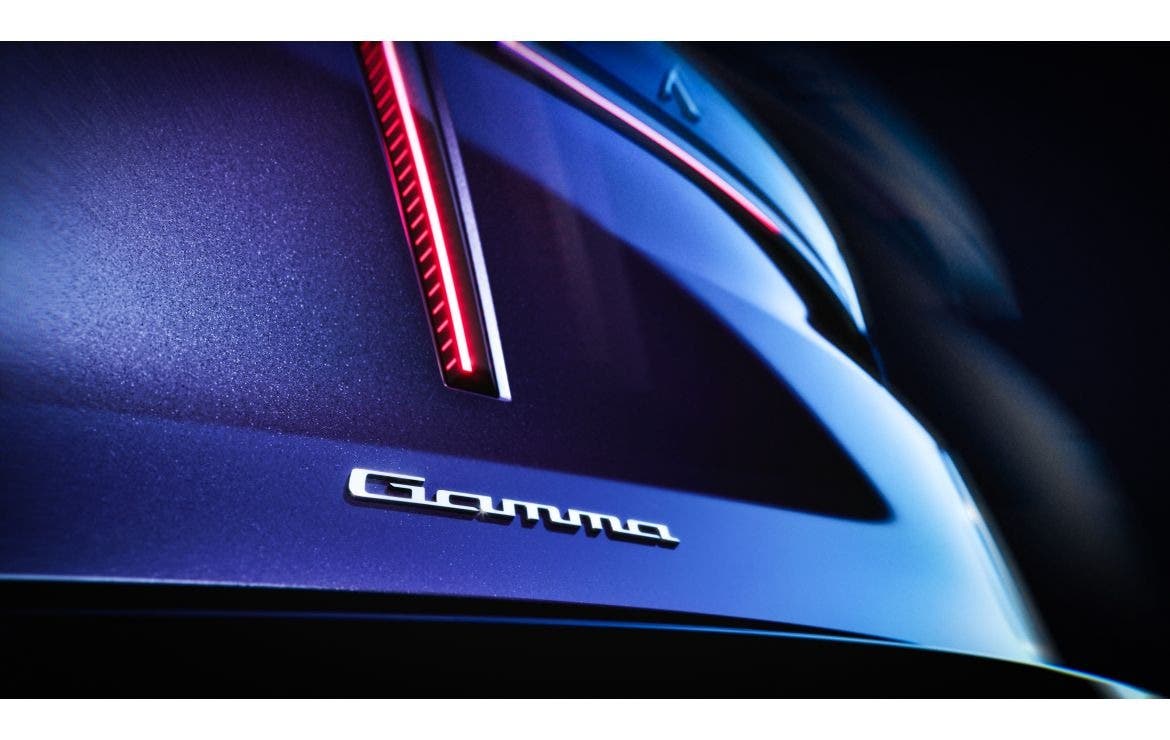
Filosa also pointed to signs of renewed momentum at several key plants. Production of the new Fiat 500 Hybrid has started in Mirafiori, while the Jeep Compass has regained a central role at the Melfi facility. That same plant will also produce the future Lancia Gamma, a model designed to elevate the brand’s image and reposition it at a higher level.
On the investment front, Stellantis confirmed a total commitment of around €2 billion in Italy, alongside more than €6 billion in purchases from the country’s supplier network. Employment also plays a key role in this plan, with new hires tied to the production restart in Mirafiori, the expansion of research and development activities, and the commercial vehicle hub in Atessa.
The CEO’s remarks do not erase the current challenges, but they redefine the framework within which the brands considered most at risk will operate in the coming years. All brands appear set to remain an integral part of Stellantis’ strategy and will need to prove the viability of their plans in the marketplace. Further answers should arrive on May 21, when Filosa will present the group’s new strategic plan and provide a clearer picture of the next steps.