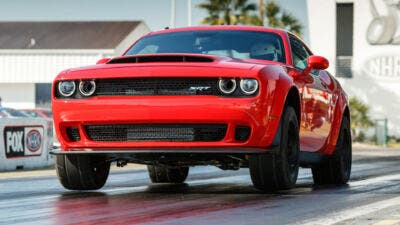
Stellantis is bringing the SRT badge back into the spotlight. The acronym, which stands for Street and Racing Technology, will return through a plan that includes at least seven high-performance models by 2030 across Dodge, Ram and Jeep. Today, the badge appears on only a few products, but it should once again cover a significant part of the group’s American line-up, with the aim of winning back buyers attached to powerful engines and muscle car tradition.
Stellantis relaunches the SRT badge with seven high-performance models by 2030
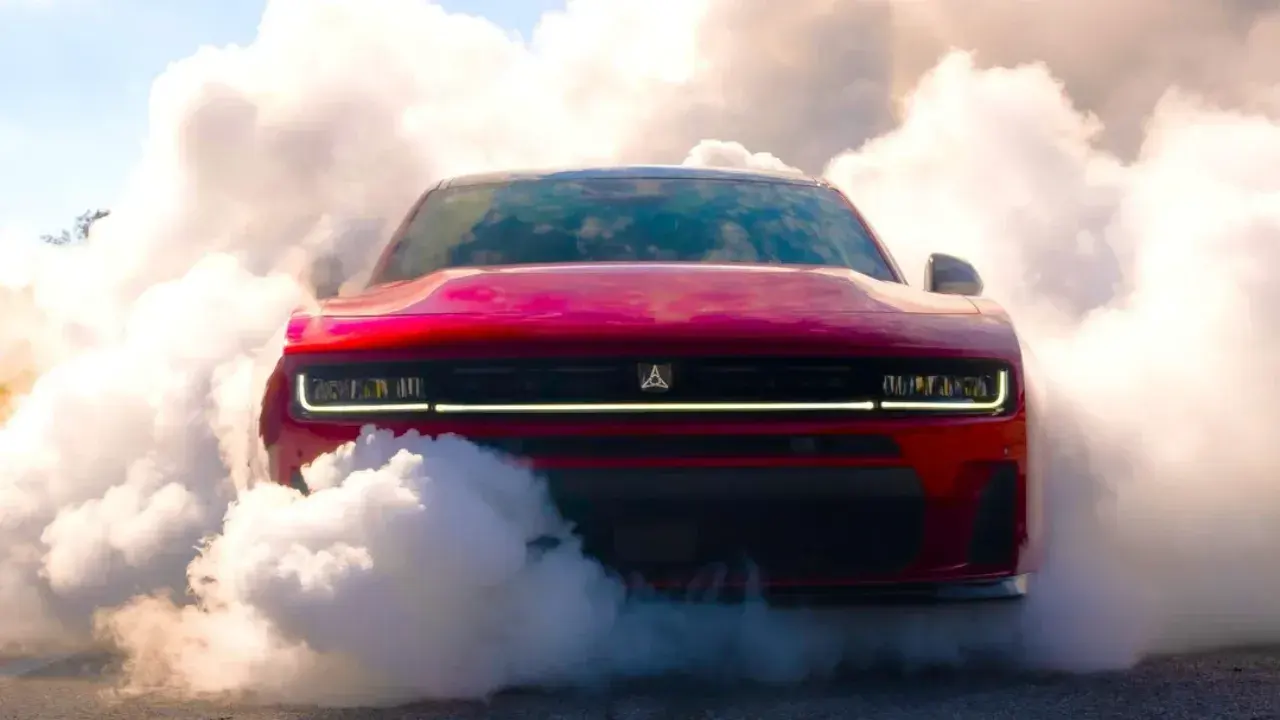
The most anticipated model remains the new Dodge Charger Hellcat, confirmed with a supercharged HEMI V8 producing more than 700 hp. The return of the supercharged engine follows the debut of the electric Charger and the Hurricane six-cylinder versions, marking a clear link with the brand’s historic identity.
Alongside the Charger, Dodge should introduce the GLH SRT, a hot hatch whose name recalls American performance compacts from the 1980s, when the acronym stood for Goes Like Hell. This model would target a younger audience and aim for a more accessible price position. The Dodge Copperhead SRT should focus even more strongly on image. According to rumours, this two-door coupé would inherit part of the Viper’s legacy and probably arrive in limited volumes.
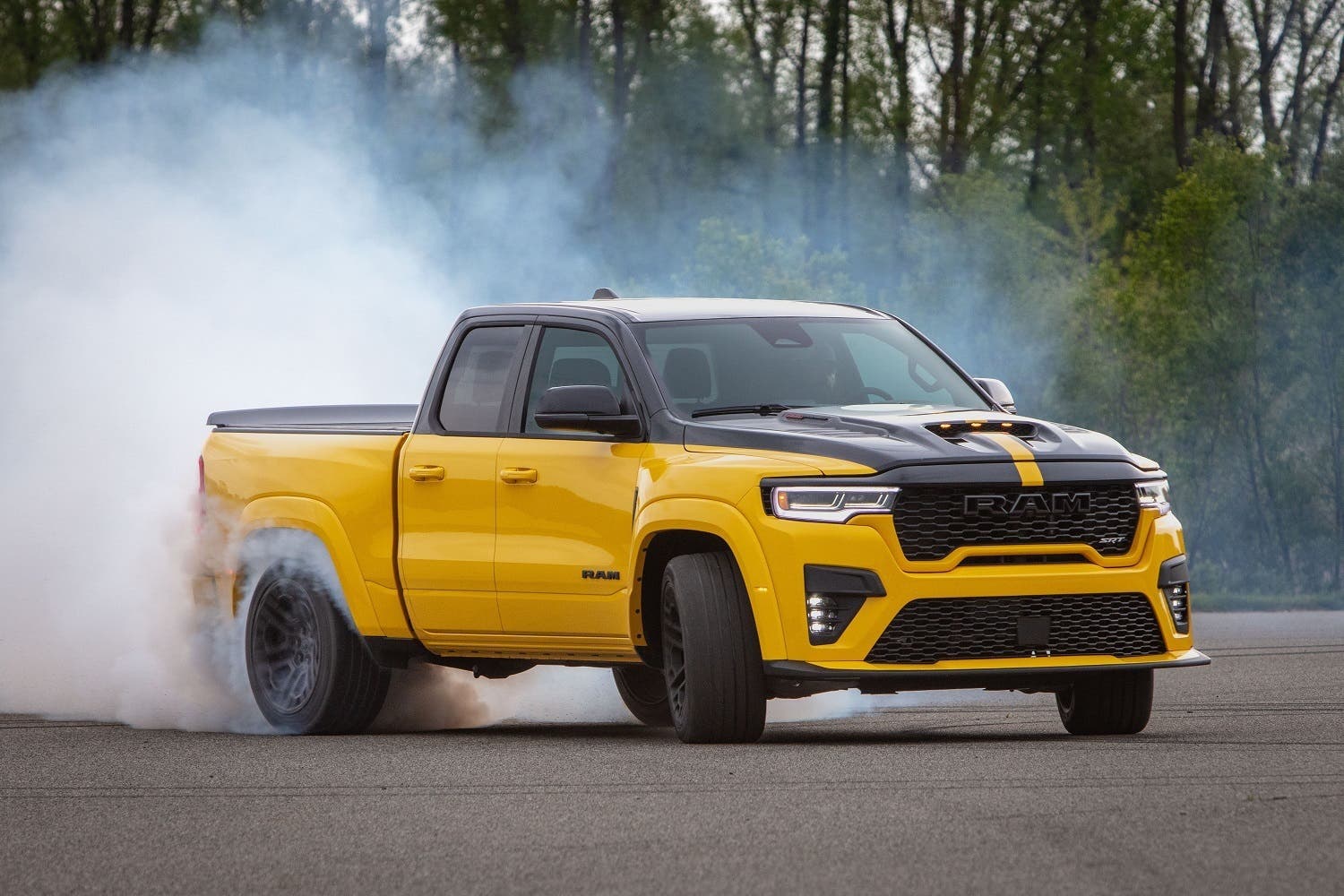
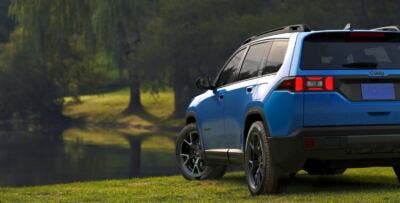
The relaunch also involves Ram, with the return of the TRX, which should reach around 777 hp and 680 lb-ft of torque. It is expected in the second half of 2026. The pick-up would reopen the direct fight with the Ford Raptor R in the muscle truck segment. The Ram Rumble Bee SRT should join it as a muscle truck positioned among the fastest production pick-ups ever built by the brand. Jeep completes the plan with the future Wrangler Scrambler SRT, a two-door off-roader with a short cargo bed and a V8 engine, a niche model that fits the emotional character of the entire SRT family.
The return of the badge forms part of the industrial plan Stellantis presented to investors on May 21. The plan includes $70 billion in investments, more than 60 new models and 50 updated models by 2030, at least nine vehicles priced below $40,000 and two under $30,000.