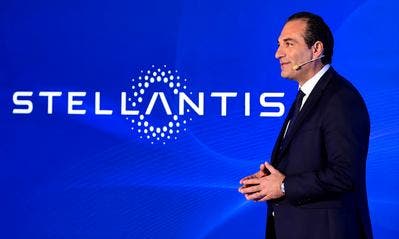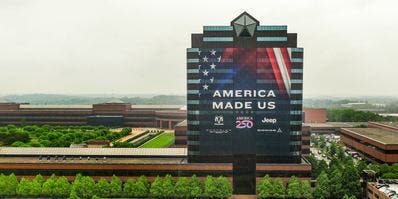
After years of grueling layoffs and restructuring, Stellantis spent the early months of 2026 on a rampant hiring spree, bringing in roughly 2,000 new engineers to reinforce its Auburn Hills headquarters and fix its notorious vehicle quality headaches under CEO Antonio Filosa.
Just as the ink dried on those shiny new offer letters, someone at corporate headquarters apparently noticed the electricity bill. The automotive giant has abruptly slammed the brakes on recruiting qualified white-collar talent in Michigan, leaving prospective engineering hires staring at a job portal now almost entirely dominated by student internships and entry-level gigs.
According to company spokesperson Jodi Tinson, the automaker isn’t freezing hiring out of panic, but rather entering the next phase of its talent management strategy.
After furiously stuffing office desks with fresh faces over a hyperactive first semester, Stellantis realized it actually needs to figure out where to put everyone and how to onboard them properly. How long this strategic pause will last remains anybody’s guess, but if you were hoping to land a senior technical position in Auburn Hills anytime soon, you might want to dust off your resume for a summer internship instead.
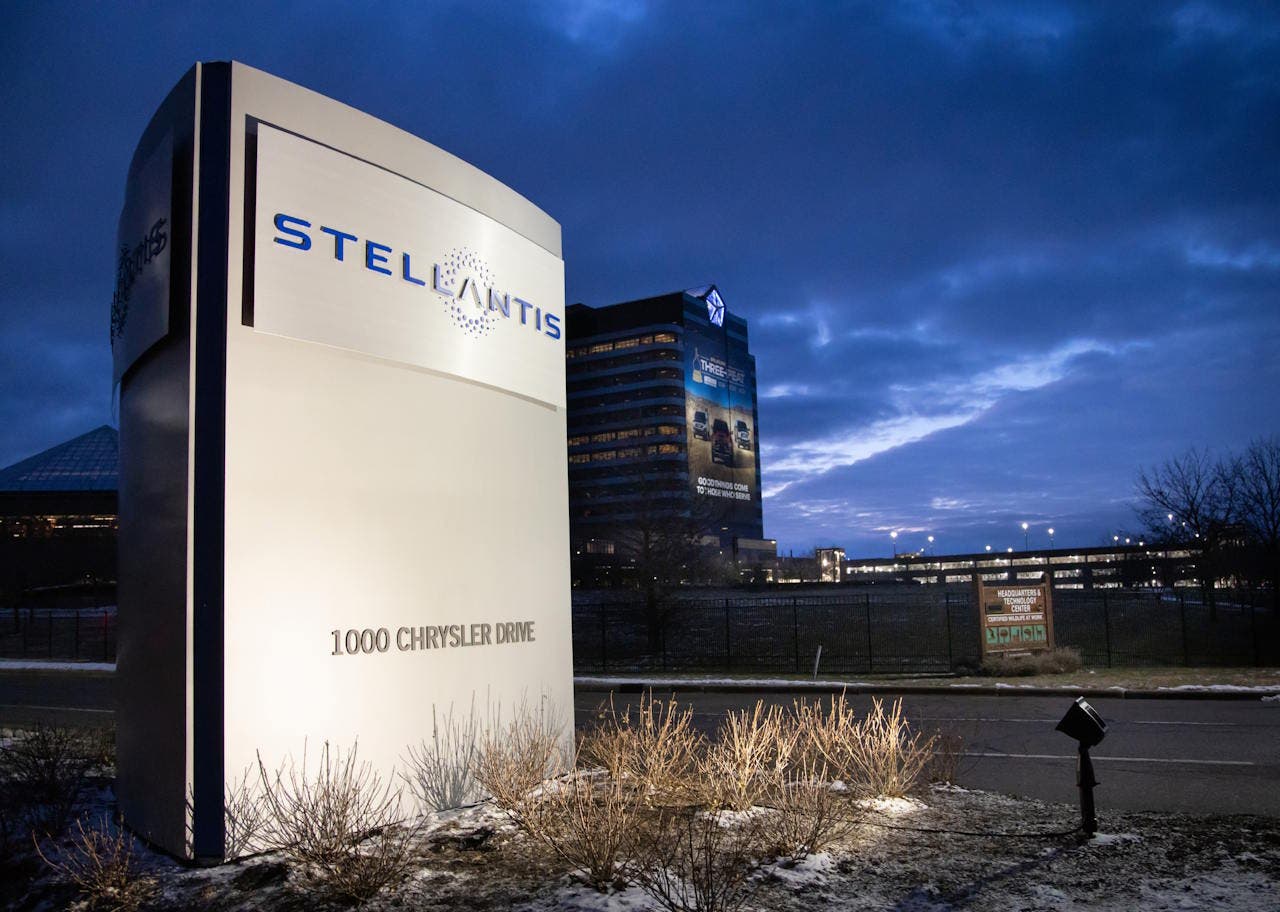
While white-collar desks are suddenly off-limits, the group insists its shop-floor manufacturing plans remain untouched, with thousands of assembly line jobs still promised to support upcoming electric and hybrid vehicle launches and massive US plant investments.
The reality, however, is that Stellantis is attempting a harrowing financial tightrope walk. CEO Filosa is desperately trying to slice billions out of operating budgets through the internal Value Creation Program while simultaneously tackling quality issues, rebooting sluggish North American sales, and preparing a massive wave of new models—all while Wall Street looks on with visible skepticism.
Shares traded on the New York Stock Exchange recently slipped below the uncomfortable $5 mark, adding extra urgency to the company’s fiscal juggling act. For 2026, Stellantis is officially clinging to promises of modest revenue growth and a low single-digit adjusted operating margin, praying for positive industrial free cash flow by 2027.