

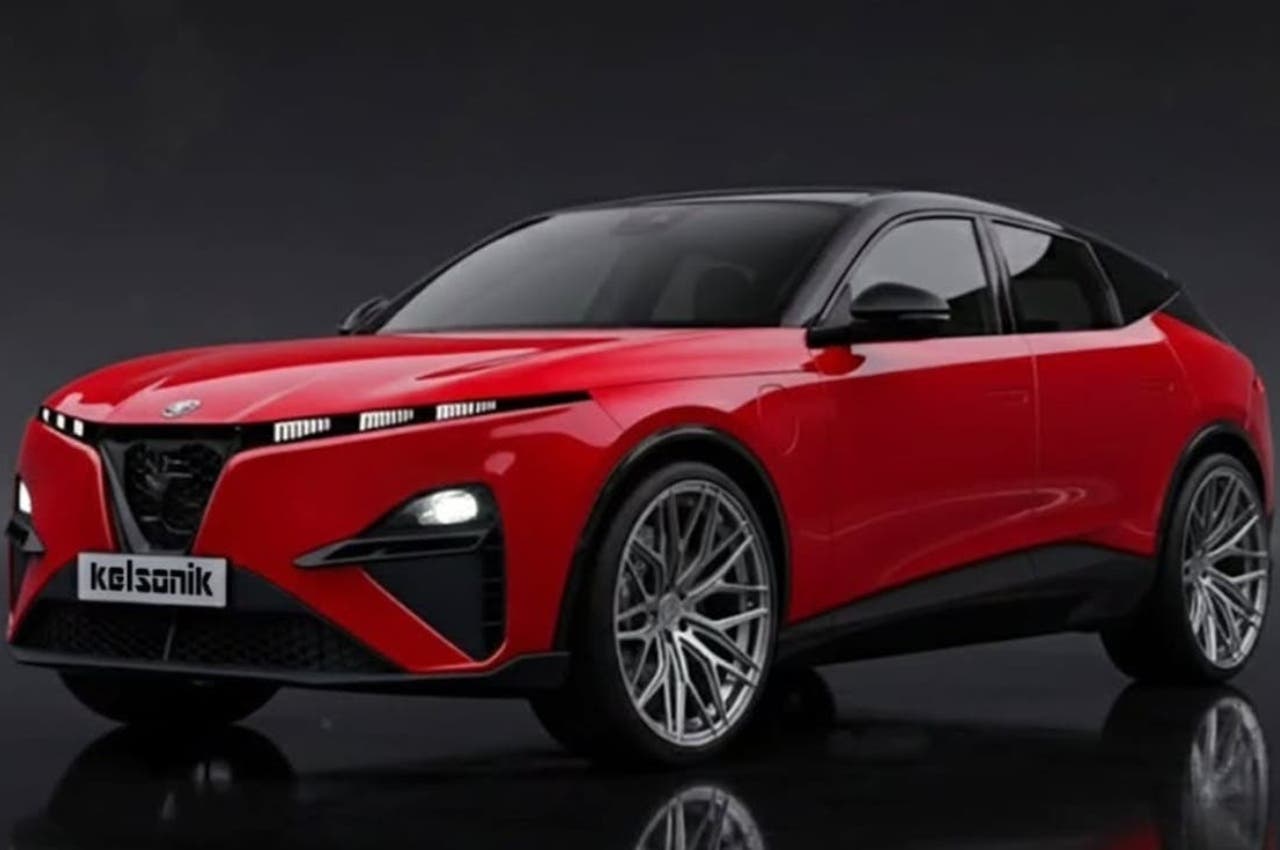
The new Alfa Romeo Stelvio is set to become one of the most important models in the brand’s future. Alfa Romeo originally planned to launch the second-generation SUV in mid-2025. However, a strategic shift introduced by the new management team forced a major revision of the project. By choosing to keep investing in electrified combustion engines alongside EVs, the brand slowed development and reworked several technical and design solutions. Even so, recent reports suggest Alfa Romeo is now pushing to shorten timelines and bring the model to market as soon as possible.
Alfa Romeo Stelvio prepares for a key 2027 comeback
Alfa Romeo will keep the current Giulia and Stelvio in production until the end of 2027. At first, this fueled speculation about a full delay of the new generation until 2028. In recent weeks, though, a clearer picture has emerged. Alfa Romeo now plans to unveil both the new Stelvio and the new Giulia during 2027, while customer deliveries should begin no earlier than 2028. It remains unclear whether the reveal will take place in the first or second half of 2027. Still, Alfa Romeo has effectively ruled out waiting until 2028 just to show the final car.
Stellantis is trying to strike a careful balance. If Alfa Romeo reveals the Stelvio too early, the gap between unveiling and market launch would stretch too far. On the other hand, a late presentation would leave a crucial segment uncovered. For this reason, mid-2027 currently represents the most realistic window, with series production expected to start in the first half of 2028.
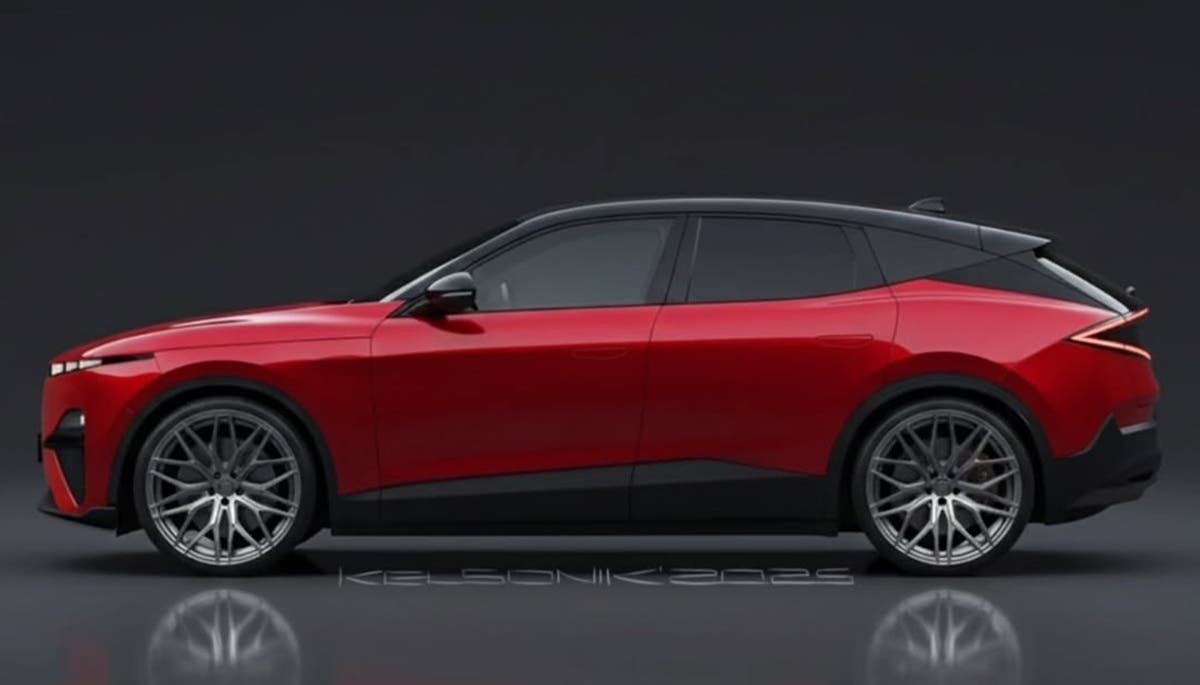
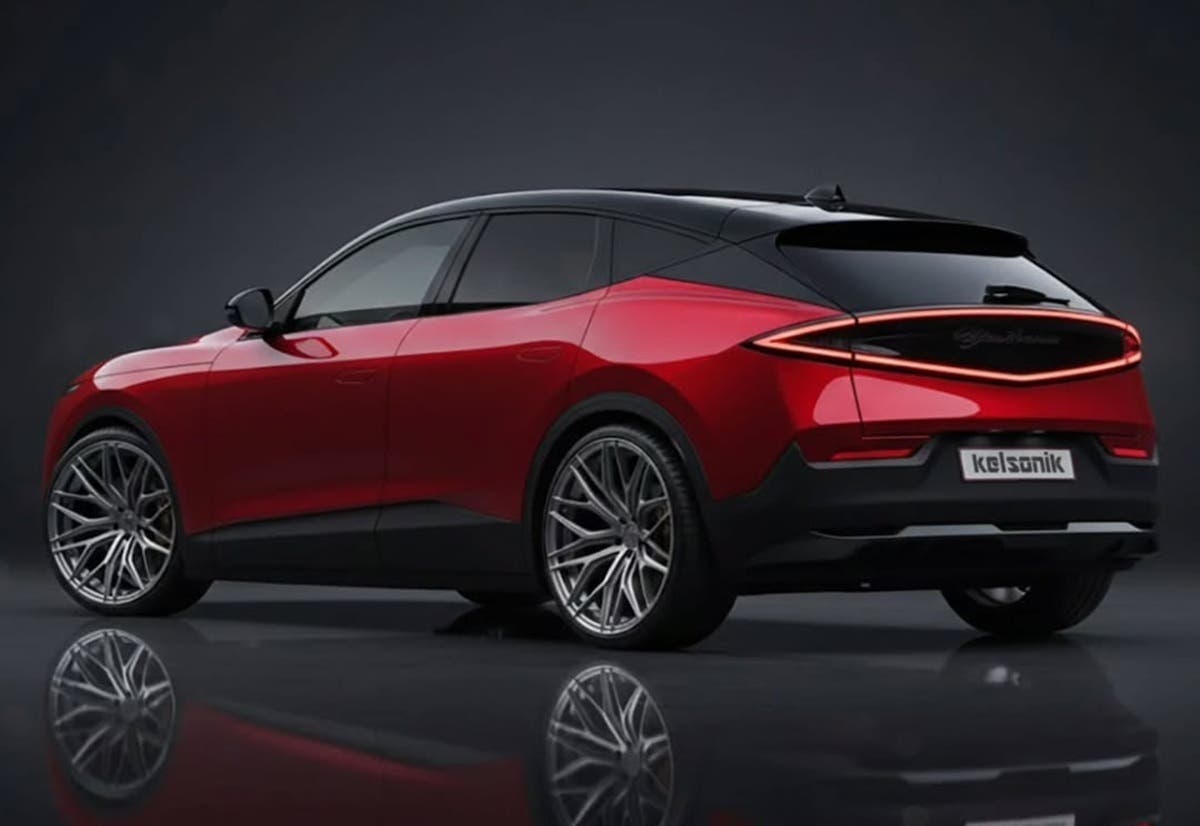
From a design standpoint, the new Stelvio should largely follow the patent images that surfaced in recent months, although the new leadership reportedly requested several changes after expressing doubts about the original proposal. The STLA Large platform will increase overall dimensions, with length growing by at least ten centimeters. Despite this growth, Alfa Romeo aims for a sleeker and more aerodynamic shape than the current model. The SUV will move closer to a coupé-style silhouette, with a sharply sloped rear window and a short, sculpted tail. At the rear, Alfa Romeo is expected to introduce a new V-shaped light signature, while the front end will mix cues from the Junior with completely new elements for the shield, grille, and slim headlights.
Alfa Romeo will keep production in Italy at Stellantis’ Cassino plant, where the current Stelvio is already built. The same facility will also produce the new Giulia, which will debut in the same time frame. Alfa Romeo may stagger the two launches by several months to give each model proper visibility, given their central role in the brand’s strategy. The company wants Alfa Romeo to become Stellantis’ main global premium brand.
As for powertrains, the new Stelvio will rely exclusively on electrified solutions. Alfa Romeo plans to phase out traditional gasoline-only engines, which face increasingly strict emissions rules and rising costs. The lineup should include mild hybrid, full hybrid, and likely plug-in hybrid versions. Among the most likely engines sits the turbocharged four-cylinder Hurricane unit, already used on STLA Large models such as the Jeep Grand Cherokee, delivering 328 horsepower and 450 Nm of torque. For flagship versions, close cooperation with Maserati makes the Nettuno V6 a realistic option, especially for future Quadrifoglio variants and a possible GTA.
Alfa Romeo has not announced pricing yet, but early estimates suggest a higher positioning than the current Stelvio. Hybrid versions could start between €65,000 and €70,000, marking a noticeable increase over today’s prices. This shift aligns with the new platform, higher technological content, and the flagship role the Stelvio will assume after the brand exits the E segment.
During 2026, Alfa Romeo may build anticipation through teasers or early images. This strategy would help keep attention focused on a model that will play a key role in the Biscione’s global relaunch and define its premium identity for the next decade.