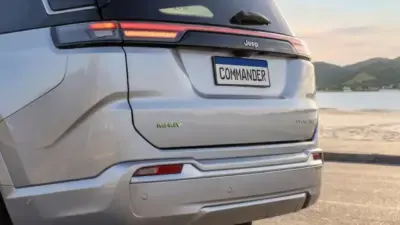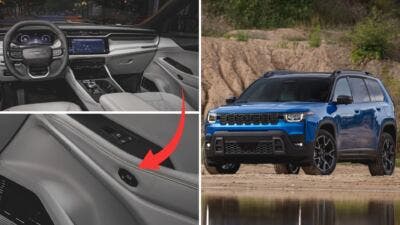
The spread of electronic door-release systems, which began with the flush door handles Tesla introduced on the Model S in 2012, has raised increasingly serious safety concerns about what happens when a vehicle loses power after a crash. Several recent incidents have shown that the emergency mechanisms automakers provide often remain hidden, unintuitive, or hard to reach in the most critical moments. In some models, manufacturers do not offer any mechanical system accessible from the outside at all, which can make life much harder for first responders trying to extract unconscious passengers from a vehicle.
2026 Jeep Cherokee takes a different approach to emergency door release
The issue has led to several lawsuits against Tesla and has also drawn attention from NHTSA, pushing the company to rethink its approach. The first model expected to integrate door-release buttons with built-in mechanical backup is the Cybercab, while Porsche has chosen a similar path for the rear doors of the upcoming electric Cayenne.
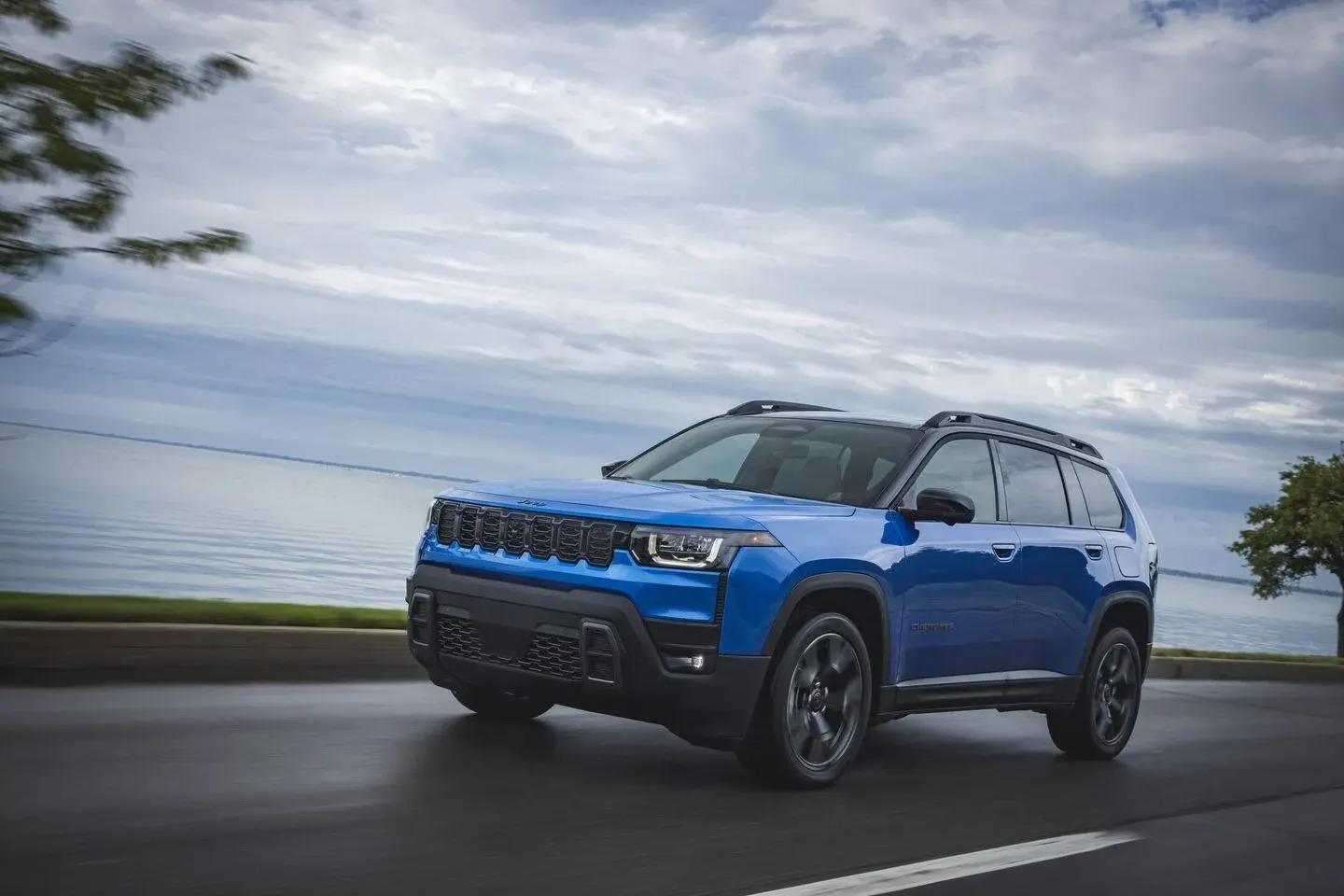
Stellantis has taken a different and in some ways more controversial route on the 2026 Jeep Cherokee. The SUV’s rear doors do not use a true mechanical emergency system. Instead, they rely on a capacitor designed to retain enough energy to allow two or three more openings after the vehicle loses power.
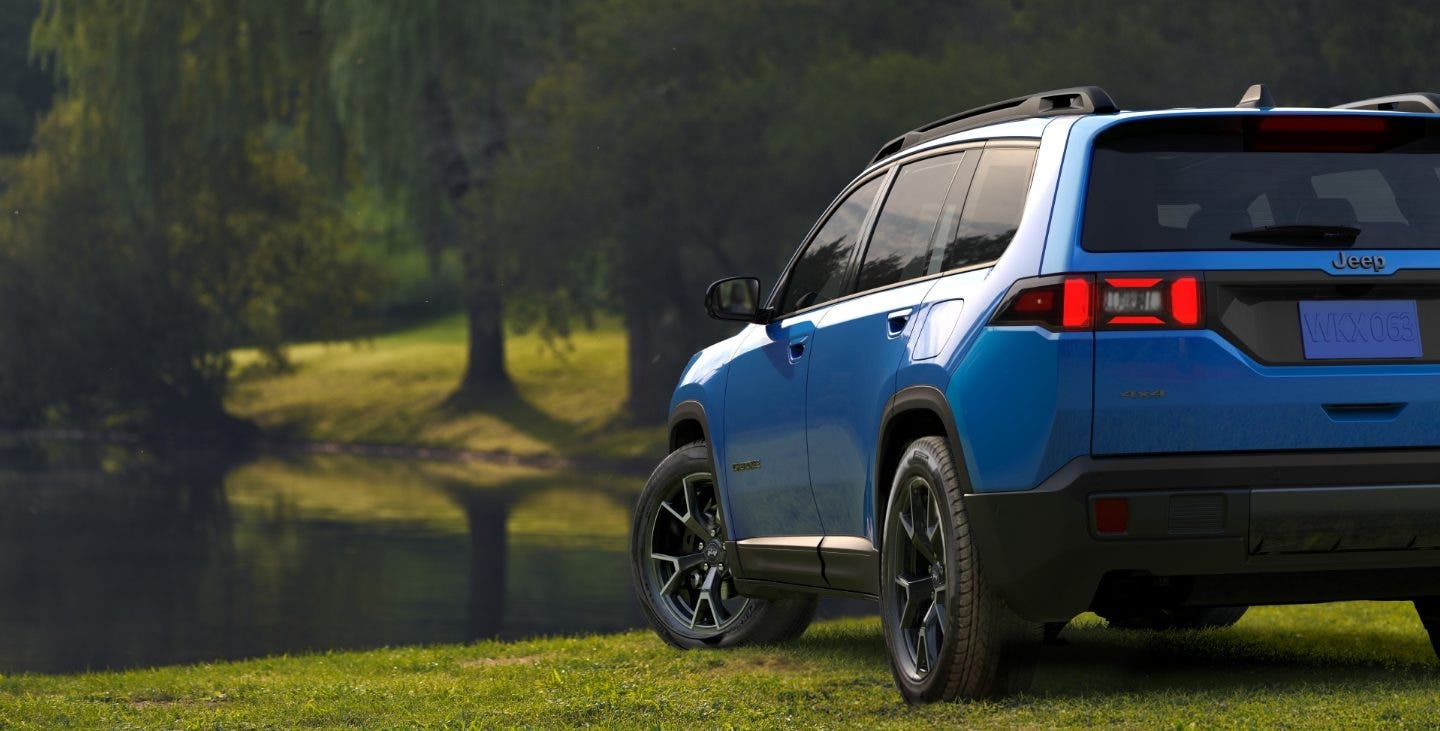
In theory, that setup provides a certain level of redundancy and also offers the advantage of working from the outside, as long as the capacitor still holds enough charge. The front doors, by contrast, use a traditional mechanical release, and the driver’s door also includes a cylinder for a physical key. The Cherokee also avoids fully flush door handles, a detail that should make opening the vehicle easier even if the 12-volt system fails.
Even so, it is fair to ask why Stellantis chose only a partial solution, especially since a traditional mechanical backup would not necessarily cost more than an electronic system paired with a reserve capacitor. The most plausible explanation is that the new Cherokee had already reached too advanced a stage in development when the controversy around electronic door-release systems intensified. Stellantis may therefore have chosen a middle-ground solution that adds a minimum layer of extra safety without forcing a major redesign of the vehicle’s overall architecture.