

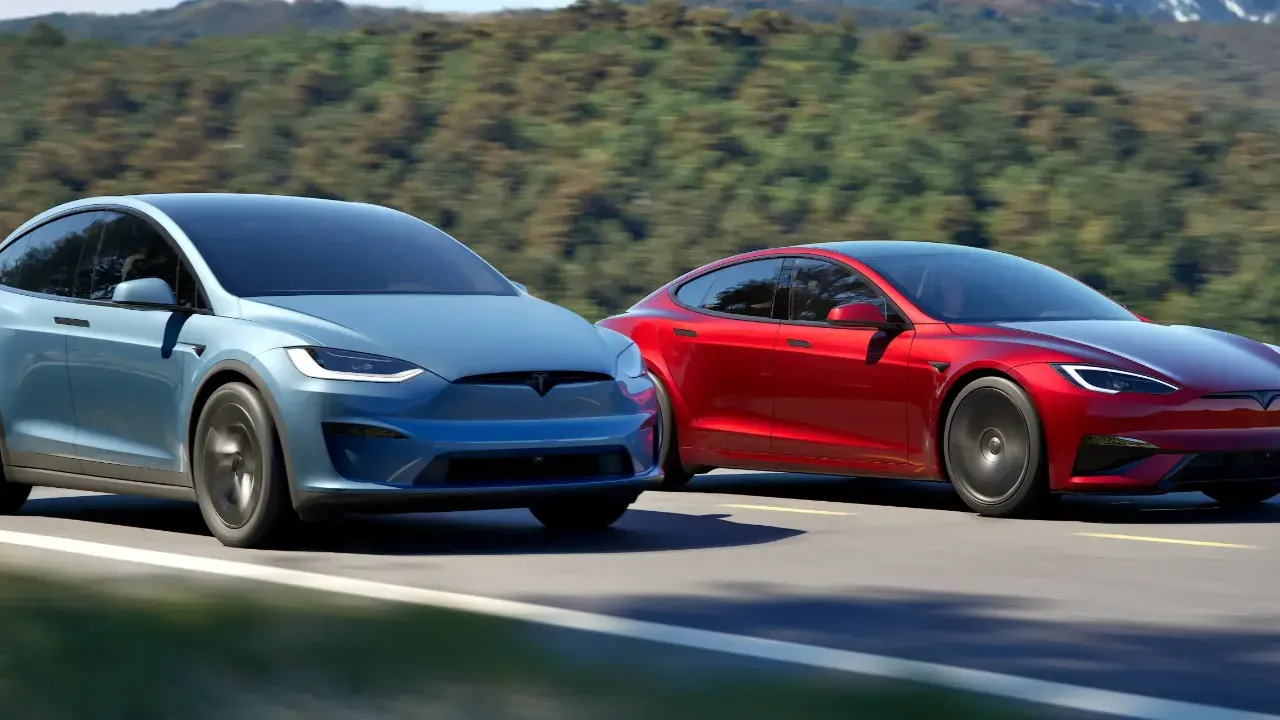
Elon Musk announced during Tesla‘s latest earnings presentation that the Model S and Model X are being phased out. Not because they’re obsolete, mind you, but because the company is “really moving toward an autonomous future”. Tesla seems tired of making cars and wants to play with robots instead.
The Model S, Tesla’s second vehicle after the Roadster, has been in production since mid-2012. Its design has remained essentially unchanged for over a decade, save for some technical tweaks and aesthetic touch-ups. The Model X SUV followed in 2015, complete with those flashy Falcon Wing doors that still make parking garage ceilings nervous. Both models have been offered in various iterations ever since, though Tesla’s sales reports now lump them together with the Cybertruck under the vague category of “other models”.
Musk described the decision as “sad but necessary” for Tesla’s transformation into an autonomy and robotics specialist. It’s an honorable discharge, he insists, for vehicles that apparently overstayed their welcome.
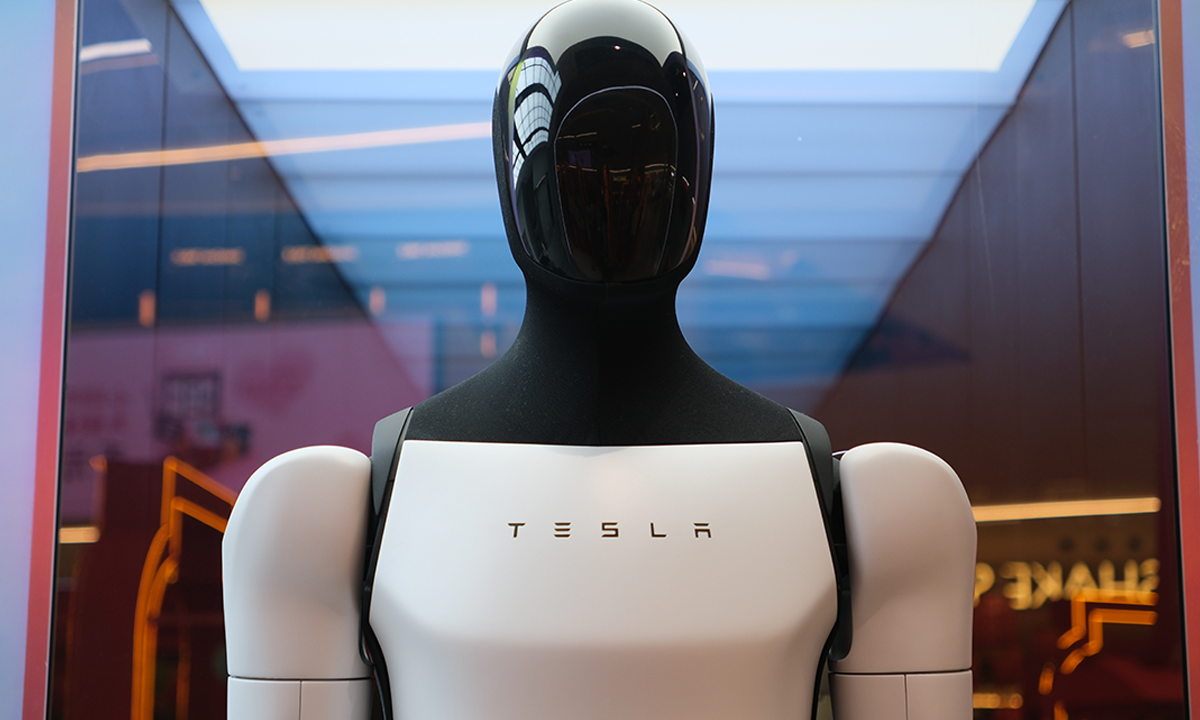
The timing coincides neatly with Tesla’s long-announced pivot from electric vehicle manufacturer to AI and technology conglomerate. Production isn’t just stopping, it’s being replaced by the Optimus robot. The company claims it can produce up to one million humanoid robots in the same space currently occupied by facilities capable of manufacturing 100,000 electric vehicles.
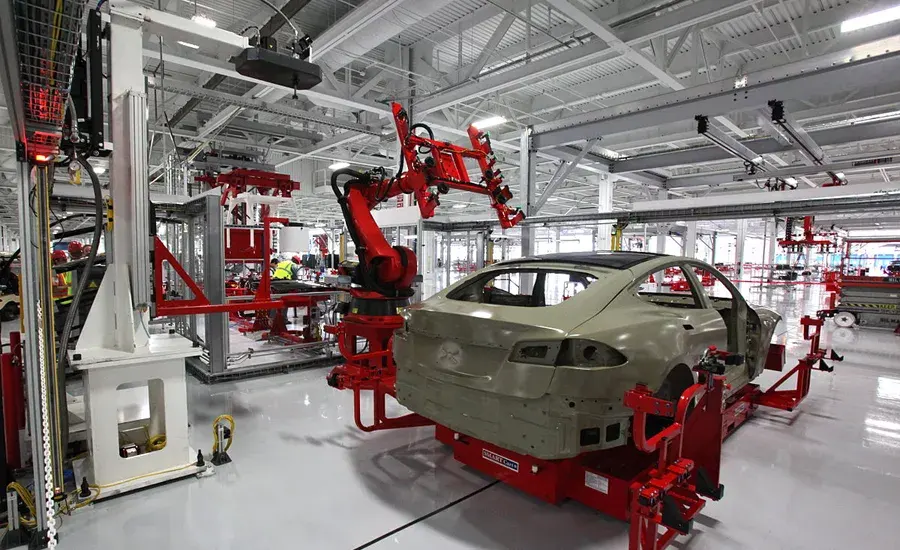
Sales data reveals why this decision wasn’t particularly difficult. In 2025, Tesla sold just 50,850 units across all “other models” combined, compared to 1.6 million Model 3 and Model Y vehicles. With production lines operating at roughly a third of their potential capacity, around 51,000 units against a possible 100,000 for Model S/X alone, the Fremont factory was hemorrhaging efficiency.
Other automakers have already pulled electric models from the uncertain US market under the Trump administration, making Tesla’s move less surprising. With limited sales and questionable demand, converting those underutilized assembly lines to robot production probably seemed like the path of least resistance.
Tesla plans to double its investments in 2026, surpassing $20 billion. Most of that capital won’t flow into traditional EV sales but into the Optimus robot, the autonomous Cybercab robotaxi, the electric Semi truck, and in-house battery and lithium production. “This will be a year of massive investment”, Musk declared. “We’re making big bets for an epochal future”.