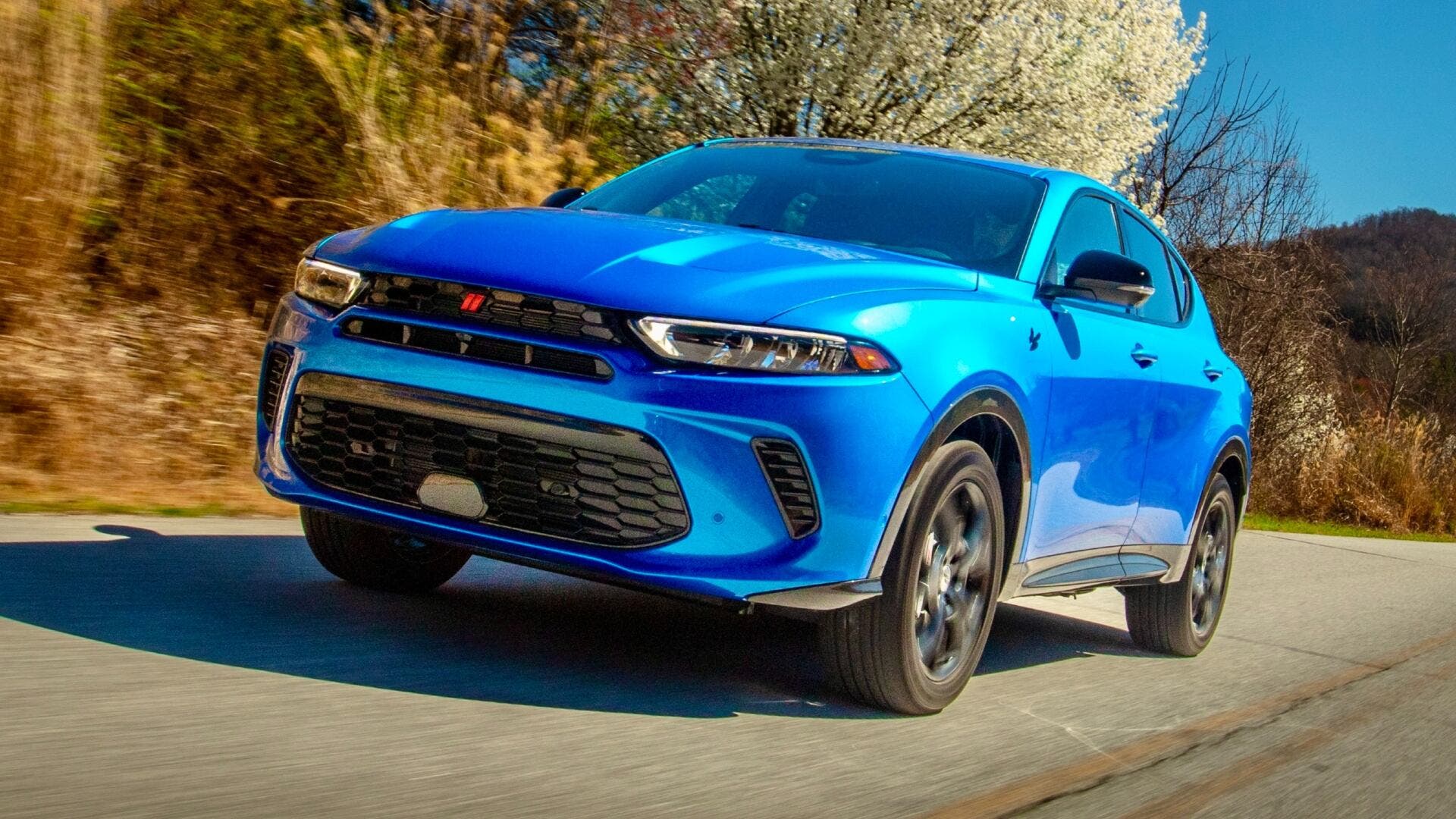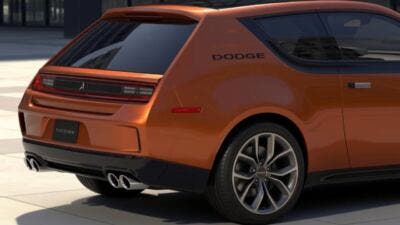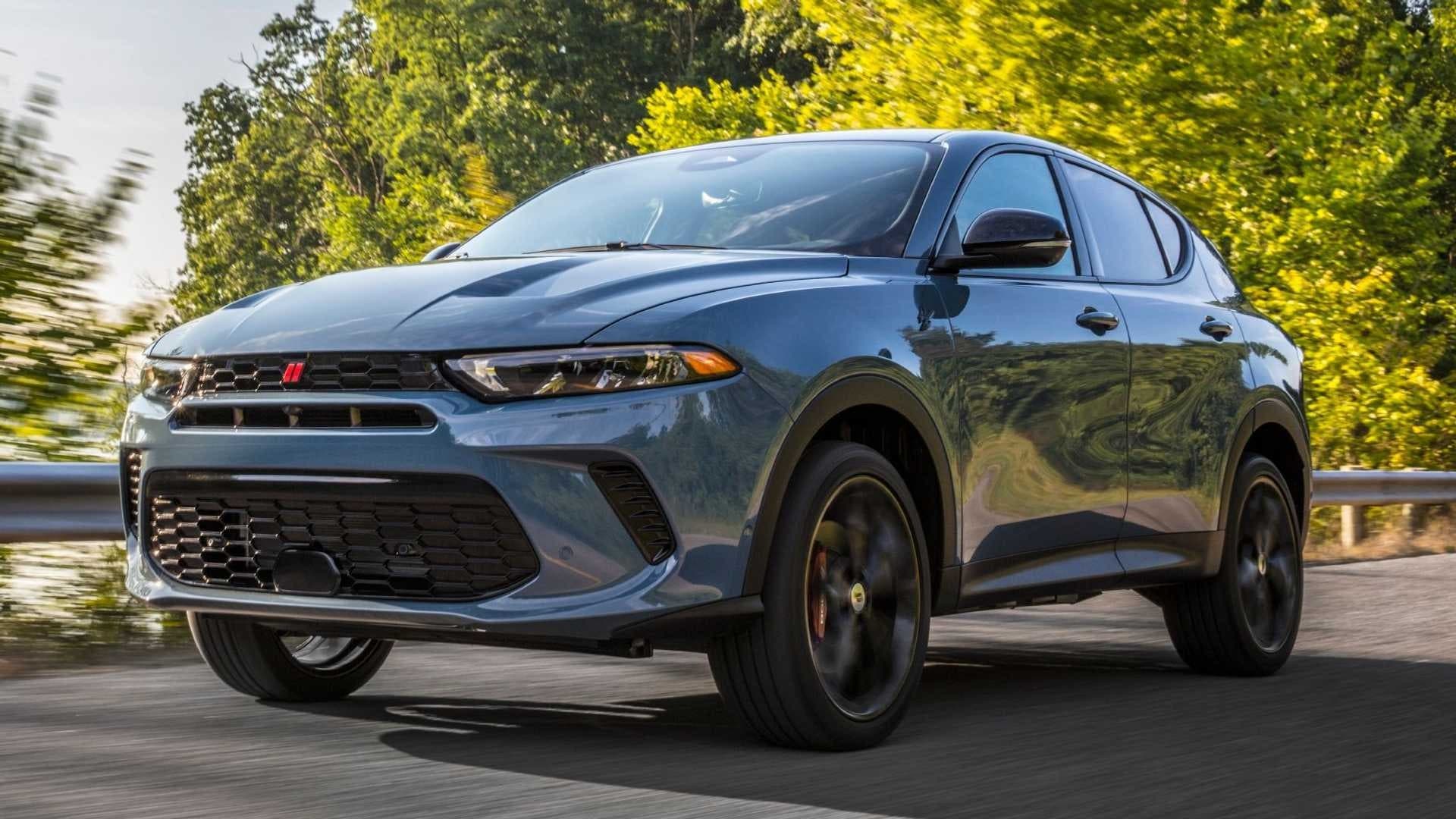
The crossover market has become increasingly saturated, and not every model manages to secure a lasting position over time. Against this backdrop, the Dodge Hornet is exiting the stage, as the model will not return for the 2026 model year. Its absence from the recent Los Angeles Auto Show, where Alfa Romeo instead unveiled the refreshed Alfa Romeo Tonale, had already hinted that something was changing. Yesterday, however, the confirmation arrived: production of the Dodge Hornet has been halted.
The news comes as only a partial surprise when looking at the latest figures. In 2025, the Hornet ranked as Dodge’s second best-selling model, but momentum collapsed. Sales dropped by 54 percent, ending the year at just 9,365 units. That figure stands far behind the Dodge Durango, which surpassed 81,000 deliveries over the same period. While the Hornet did slightly outperform the Dodge Charger Daytona, which stayed below 7,500 units, the result remains weak for a crossover with a starting price of around $30,000.
Dodge Hornet production ends, leaving a growing gap in Dodge’s U.S. lineup
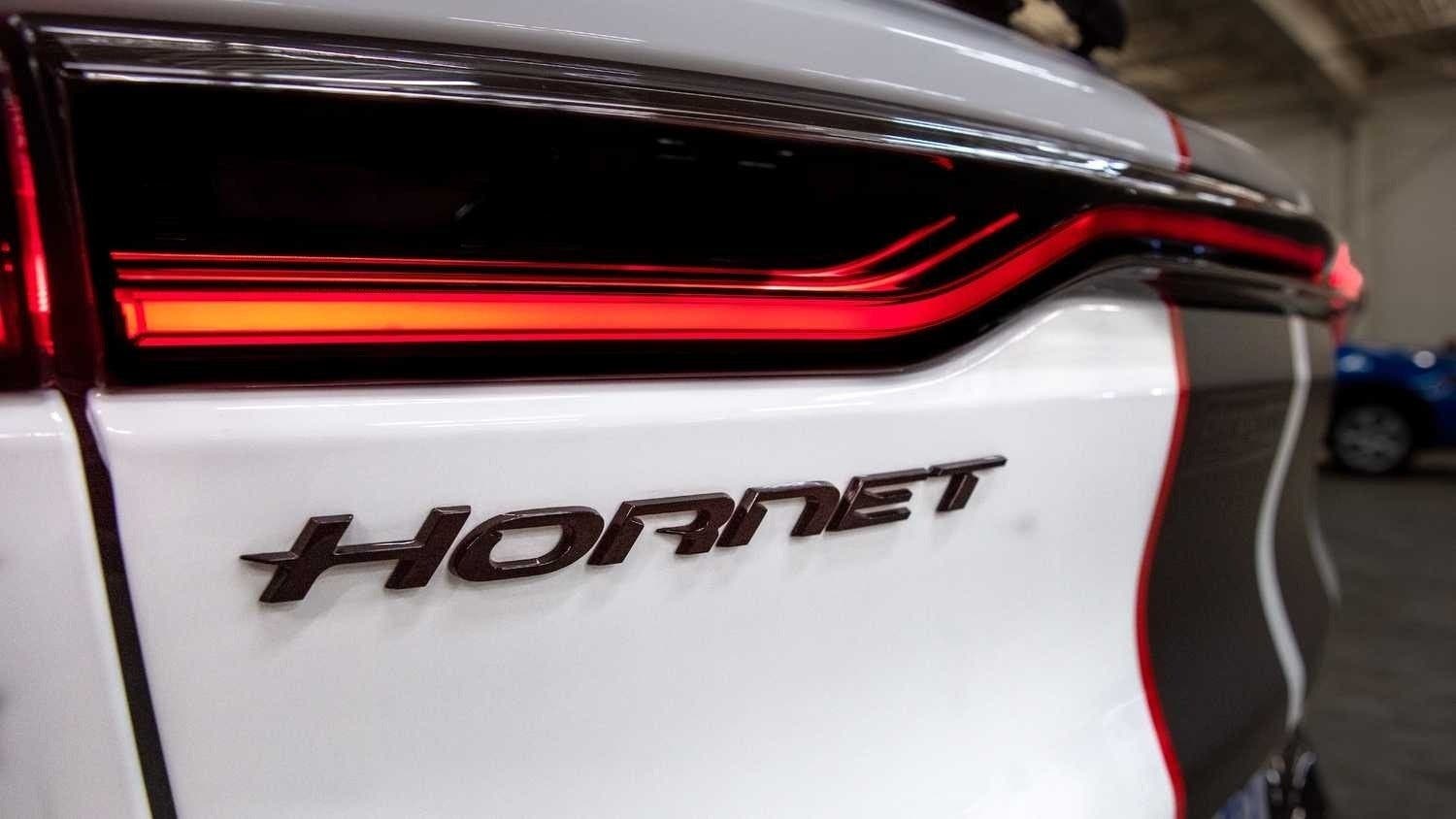
Stellantis explained that the decision to end production of the Italy-built model stems from changes in the political and regulatory environment. Although the company did not mention them explicitly, the statement clearly alludes to recent U.S. trade policies and newly introduced tariffs.
While the Dodge Hornet exits the lineup, the future of the Alfa Romeo Tonale appears far more stable. Alfa Romeo has confirmed that the 2026 model year refresh will reach the U.S. market within the current quarter, continuing a path the Italian brand still considers strategic for its presence in the United States.
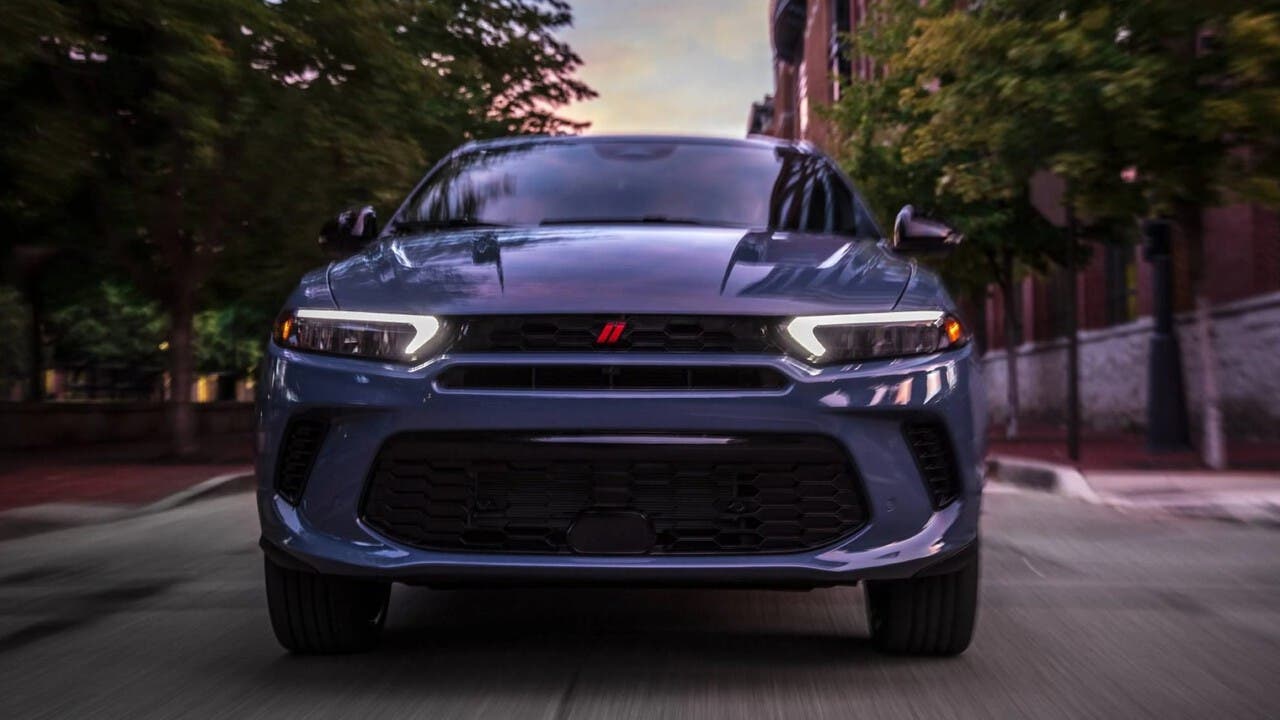
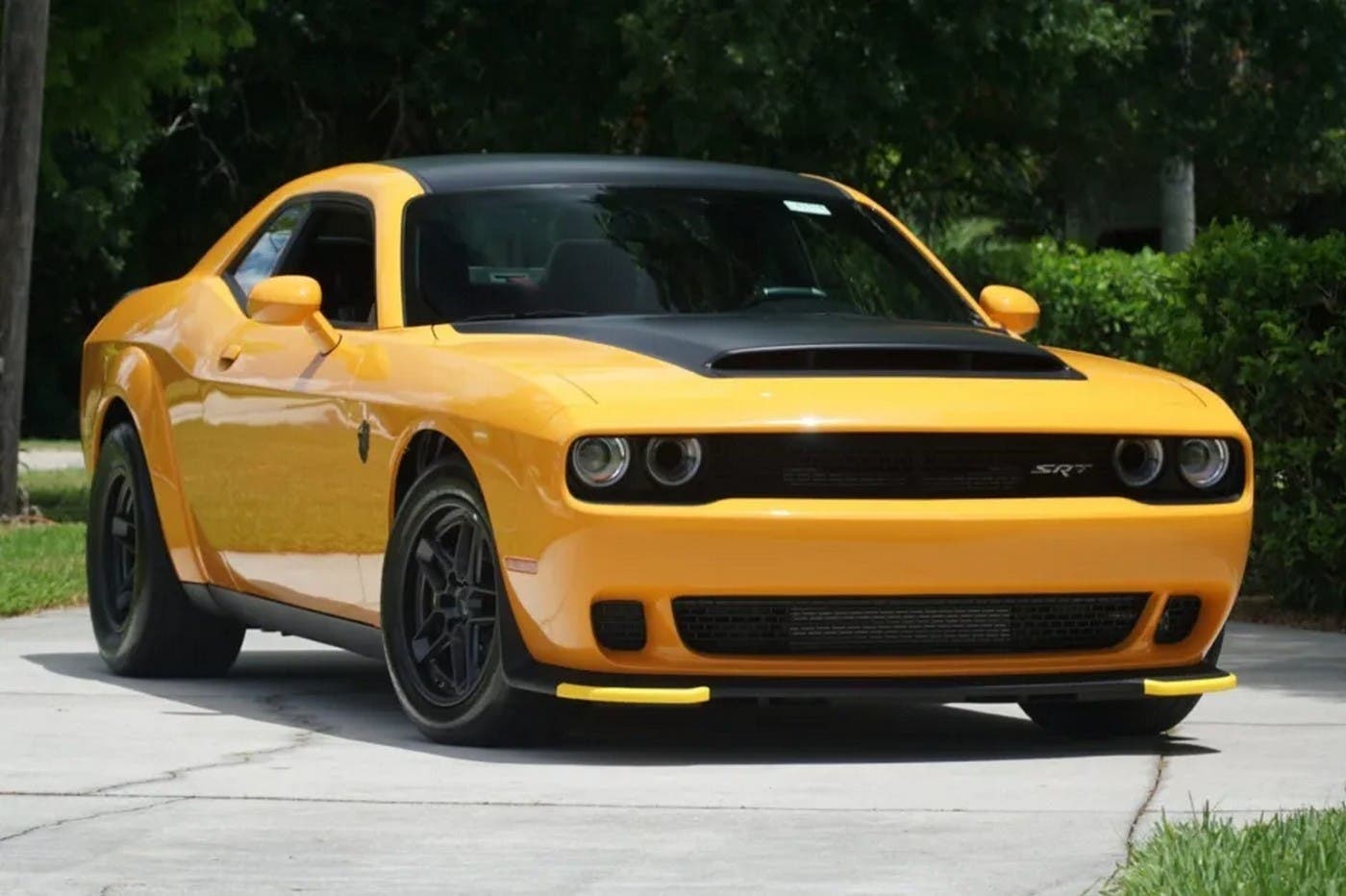
Looking ahead, Dodge seems determined to refocus on its historical identity. The American automaker has reiterated its intention to center the lineup around a multi-energy muscle car strategy, emphasizing new internal combustion models such as the Dodge Charger R/T and Dodge Charger Scat Pack, while also keeping the 710-horsepower Dodge Durango SRT Hellcat in the spotlight. This strategy also includes the electric Charger Daytona Scat Pack, which Dodge describes as the most powerful and fastest muscle car it has ever built, despite sales falling short of expectations.
Still, questions remain. Halting production of Dodge’s second best-selling model, even one with modest volumes, raises doubts, especially since the brand does not plan a direct replacement. That decision inevitably leaves a gap in the lineup, one that could further weaken the brand. Dodge’s U.S. sales fell by 28 percent in 2025, dropping to 101,927 units from 141,730 the previous year, a deeply concerning signal. In this context, an accessible volume model would seem essential, yet Dodge has chosen to step away from that space. Now, attention turns to how the brand plans to confront this growing challenge.