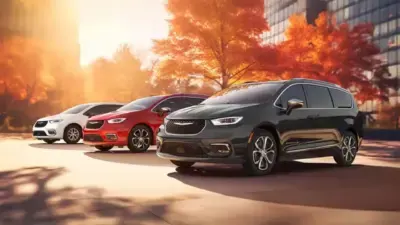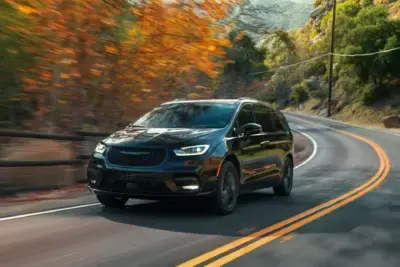
Today, Chrysler is the most marginal brand within Stellantis, reduced to a lineup that effectively consists of a single model and lacking a clearly communicated and credible relaunch strategy. It is a difficult situation to accept for one of the most historic names in the American automotive industry, a brand that appeared in the official corporate structure of the group in the United States for nearly a century and that still showed considerable ambition in the early 2000s.
Chrysler’s future remains uncertain inside Stellantis
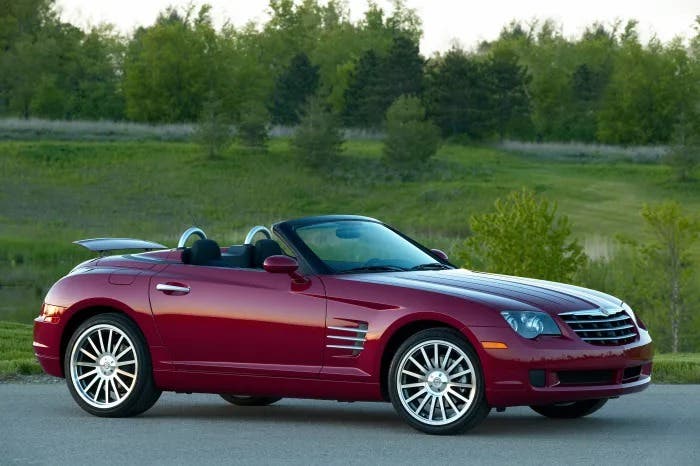
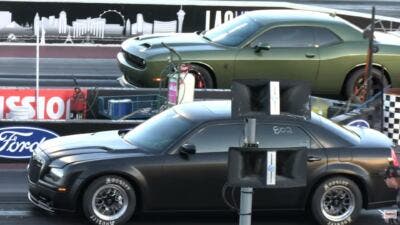
At that time, the lineup included models such as the Crossfire and the 300 built on the LX platform, while auto shows featured concepts like the ME Four-Twelve, a mid-engine prototype powered by a twelve-cylinder engine with four turbochargers that looked as if it came straight from the world of endurance racing, and the Firepower, a coupe with a Hemi V8 and automatic transmission that attempted to bring a more accessible form of performance into Chrysler territory compared with the Viper. Even the less extreme production models had their own identity. The Crossfire was essentially a reinterpreted Mercedes, but it had character, while the first Pacifica anticipated a crossover formula that would align perfectly with today’s market trends, offering more than its price and segment might have suggested.
The decline did not begin with the government bailout or with Chrysler’s entry into Fiat’s orbit, as the story is often simplified. The most damaging blow had already arrived earlier during the partnership with Daimler, which drained resources and momentum before exiting just as the global economy was about to collapse. The following period, marked by the Germans’ withdrawal, the bailout, and Chrysler’s forced absorption into the Fiat universe, only worsened a situation that was already compromised, making clear how difficult it would be to reverse a trajectory that had already taken a very specific direction.
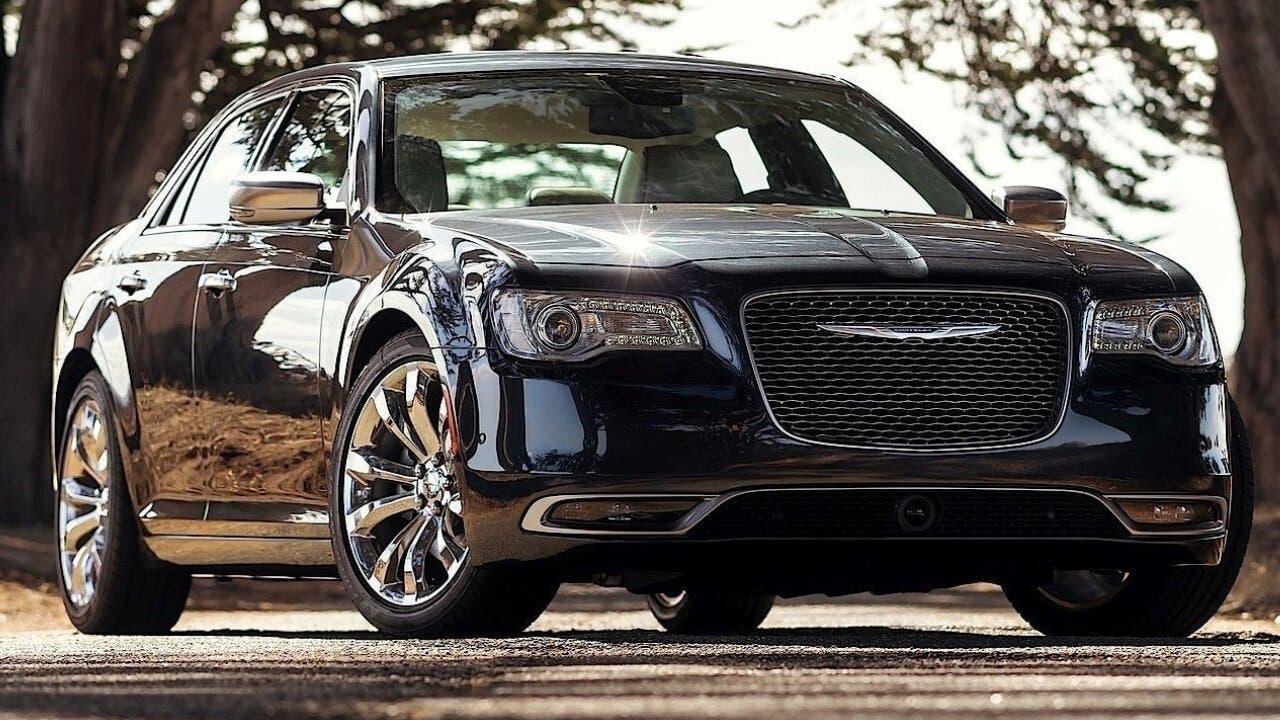
Since then, Chrysler has lived through a series of unfulfilled promises. Each time a new phase seemed possible, through the announcement of an investment or a project capable of rebuilding the lineup, those plans were swept away by another strategic shift, a new corporate priority, or yet another leadership change. Over the years there were hints of a new sedan, a midsize crossover, or another van, but almost none of those ideas turned into a real product reaching dealerships. Historic models disappeared one after another without replacements, and the brand gradually emptied out until reaching its current state. That situation fuels the suspicion that Chrysler now exists more because of dealer network agreements than because of a genuine industrial strategy to relaunch it.
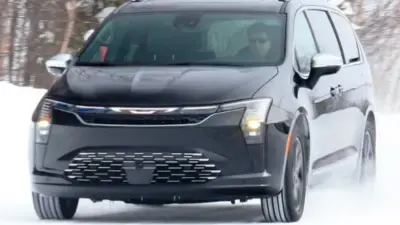
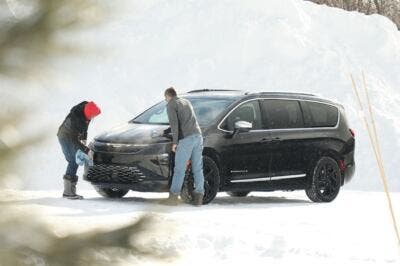
The only exception is the Pacifica, and paradoxically its quality highlights the emptiness around it. In the Pinnacle version, the minivan offers a level of comfort and finishing that few competitors in the segment can match. It is also the only Chrysler vehicle of the last two decades to receive consistent investment and innovation, from the Stow ’n Go system introduced in 2005 to the plug-in hybrid version launched in 2017. Chrysler has continued to show attention to minivan customers and will likely continue to do so with the next model expected in 2027, but outside that area the rest of the story looks very different.
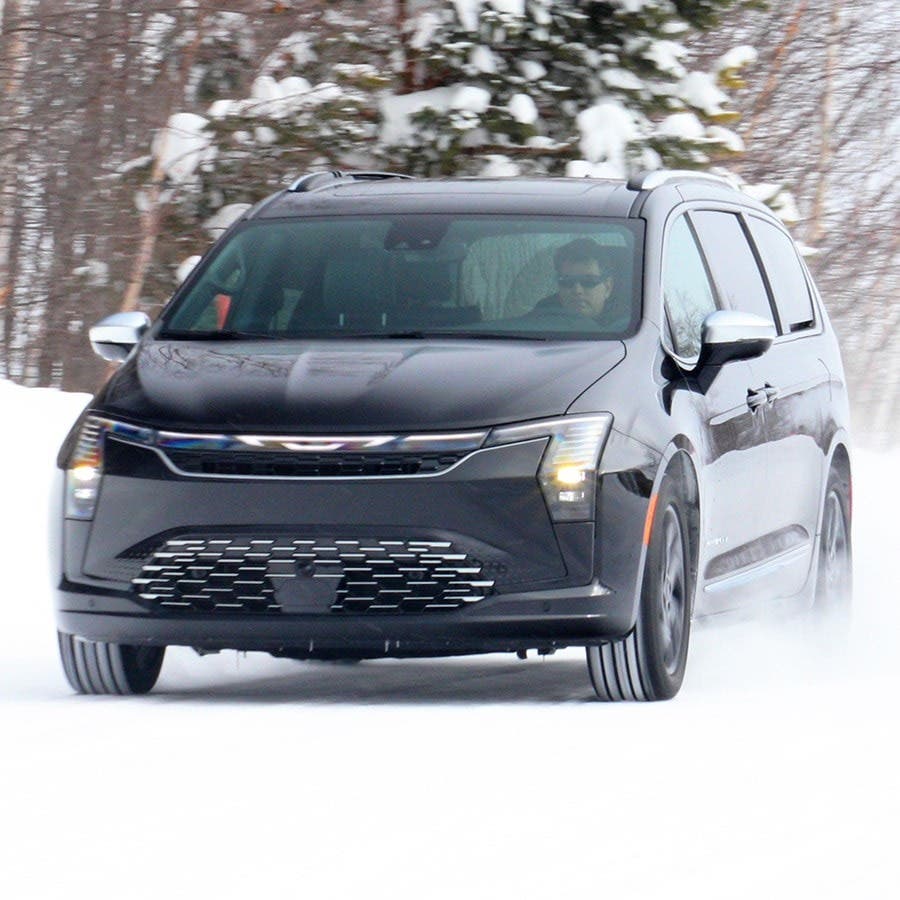
The moment Stellantis is currently facing, with declining sales, heavy costs linked to electrification, and frequent strategic reconsiderations, makes it even harder to imagine Chrysler receiving the resources needed for a true revival. Yet waiting much longer risks reaching a point where the brand name loses any remaining relevance in the market, making any attempt at recovery largely meaningless.
In recent days, Matt McAlear, already the head of Dodge, has been appointed to lead Chrysler and guide it toward a brighter future. On May 21, when Stellantis CEO Antonio Filosa is expected to unveil the group’s new industrial plan, there may finally be clearer answers about the future, if there is one, for Chrysler.