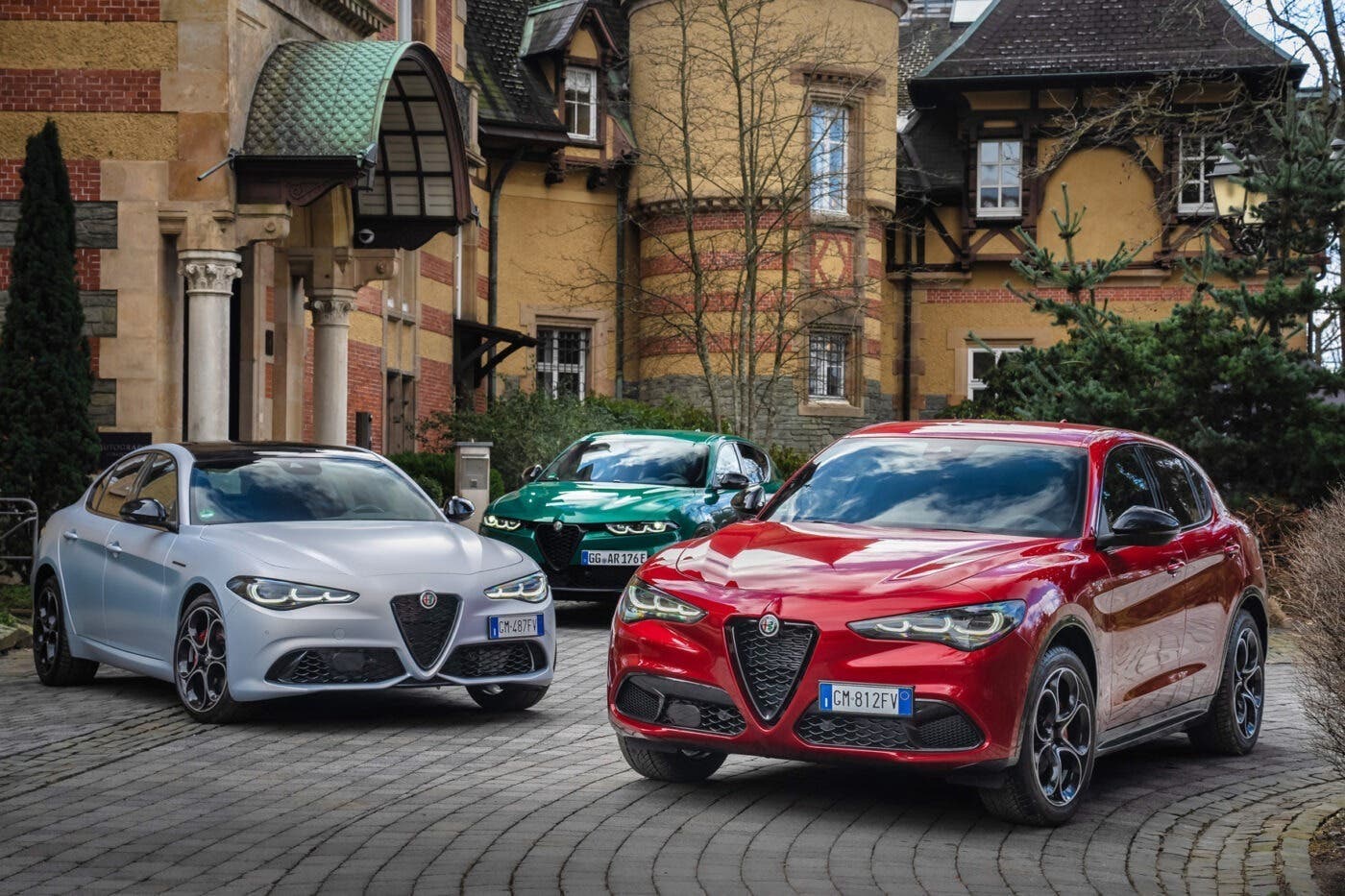
Alfa Romeo is going through a phase of strong strategic uncertainty regarding the future development of its lineup. At the moment, it is still unclear which model will debut next after the Junior, launched in 2024. The original product plan scheduled the new Stelvio for 2025, the new Giulia for 2026, and the new Tonale, or its successor, between 2027 and 2028, with production set for the Melfi plant. That timeline is now outdated.
Alfa Romeo: Stelvio and Giulia launch order changes
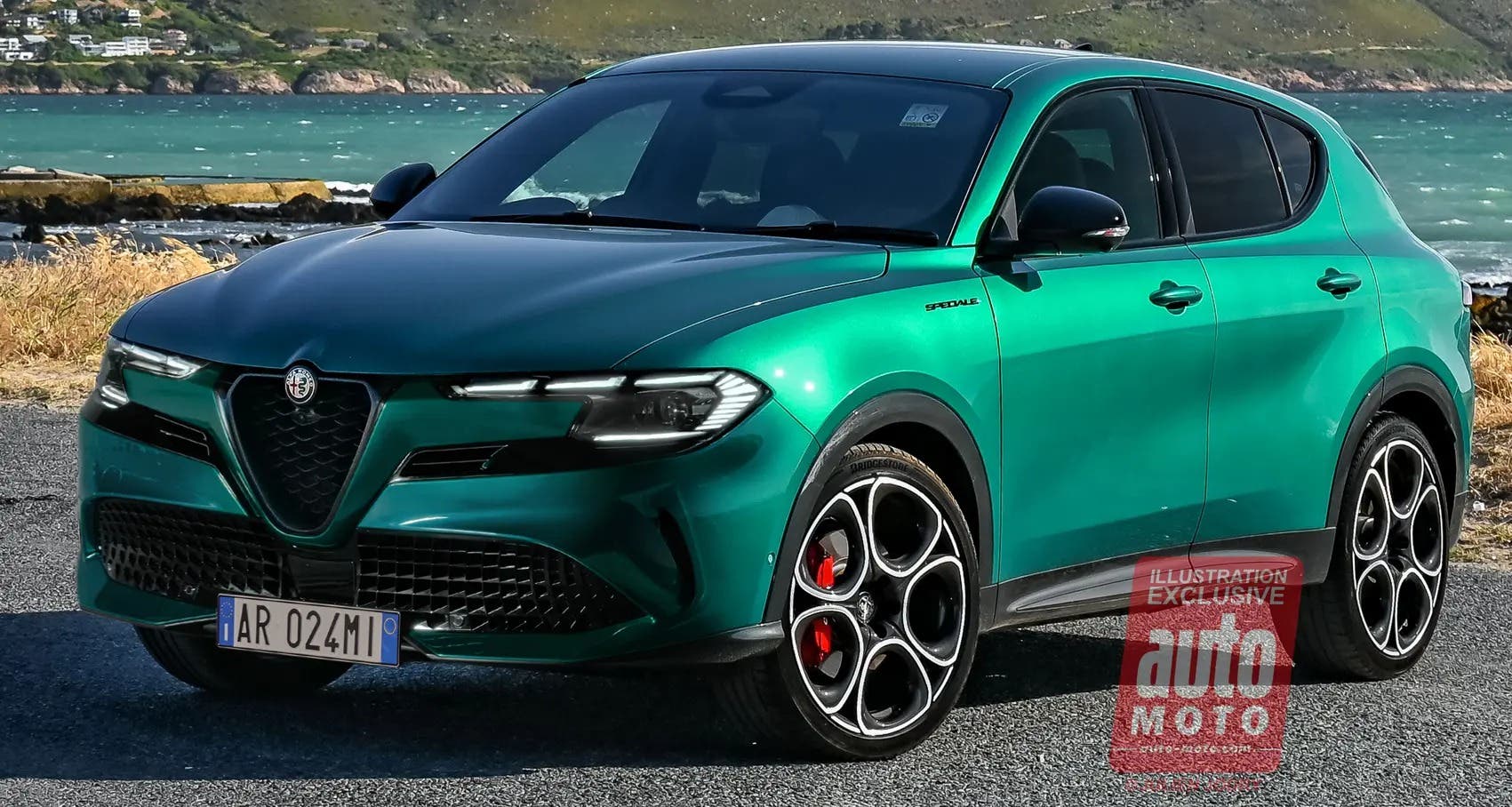
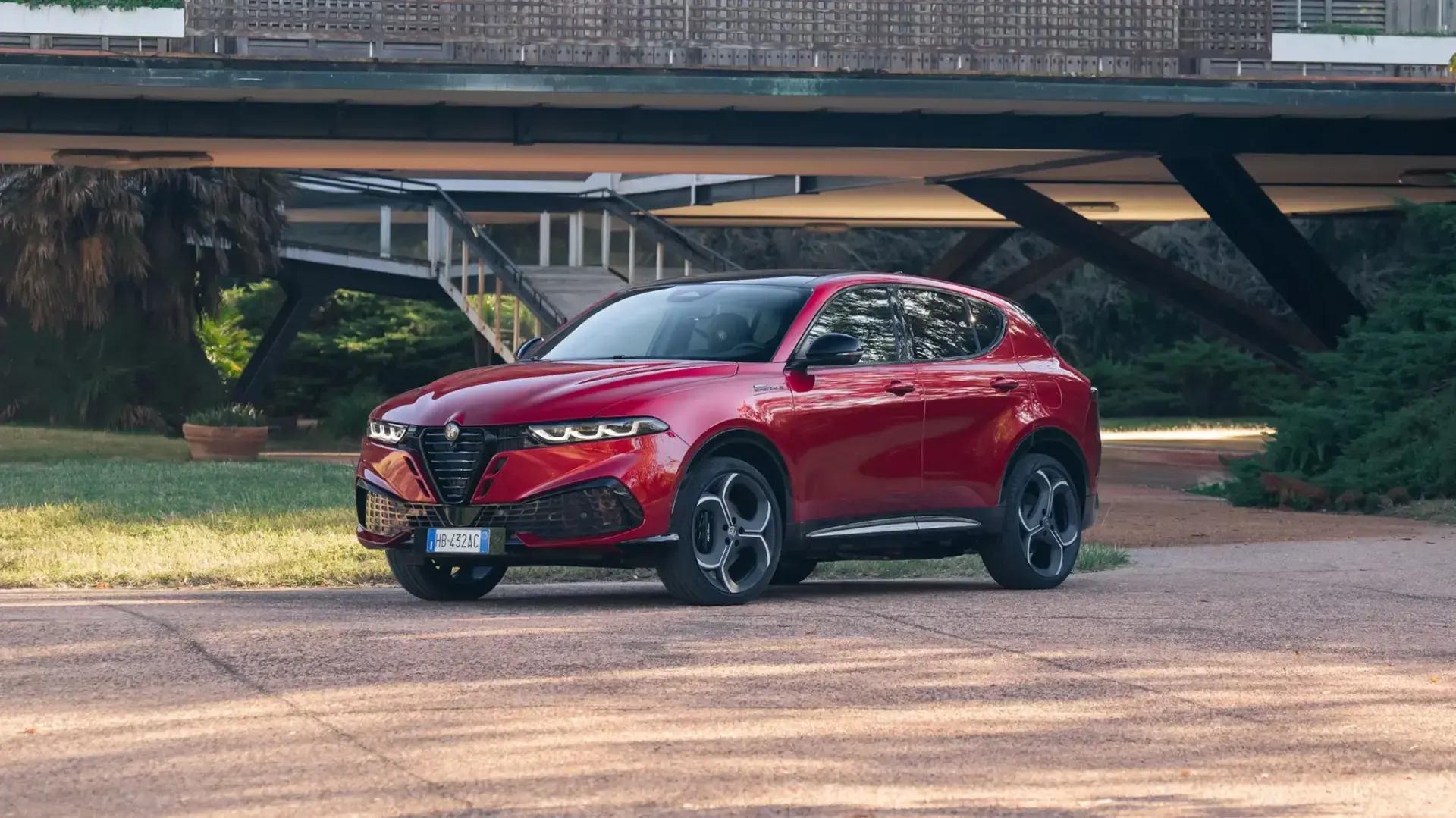
Today the scenario appears completely reversed, and there is no longer a defined launch order. Until a few months ago, the Stelvio seemed certain to be the first model of the new generation. Now, instead, the successor to the Tonale could debut first toward the end of 2027. This new model will use the STLA Medium platform, production will take place in Melfi, and the range will include only hybrid and electric powertrains. Dimensions will grow significantly compared to the current Tonale, approaching 4.65 meters in length, very close to the size of today’s Stelvio. The next-generation Stelvio will grow even further.
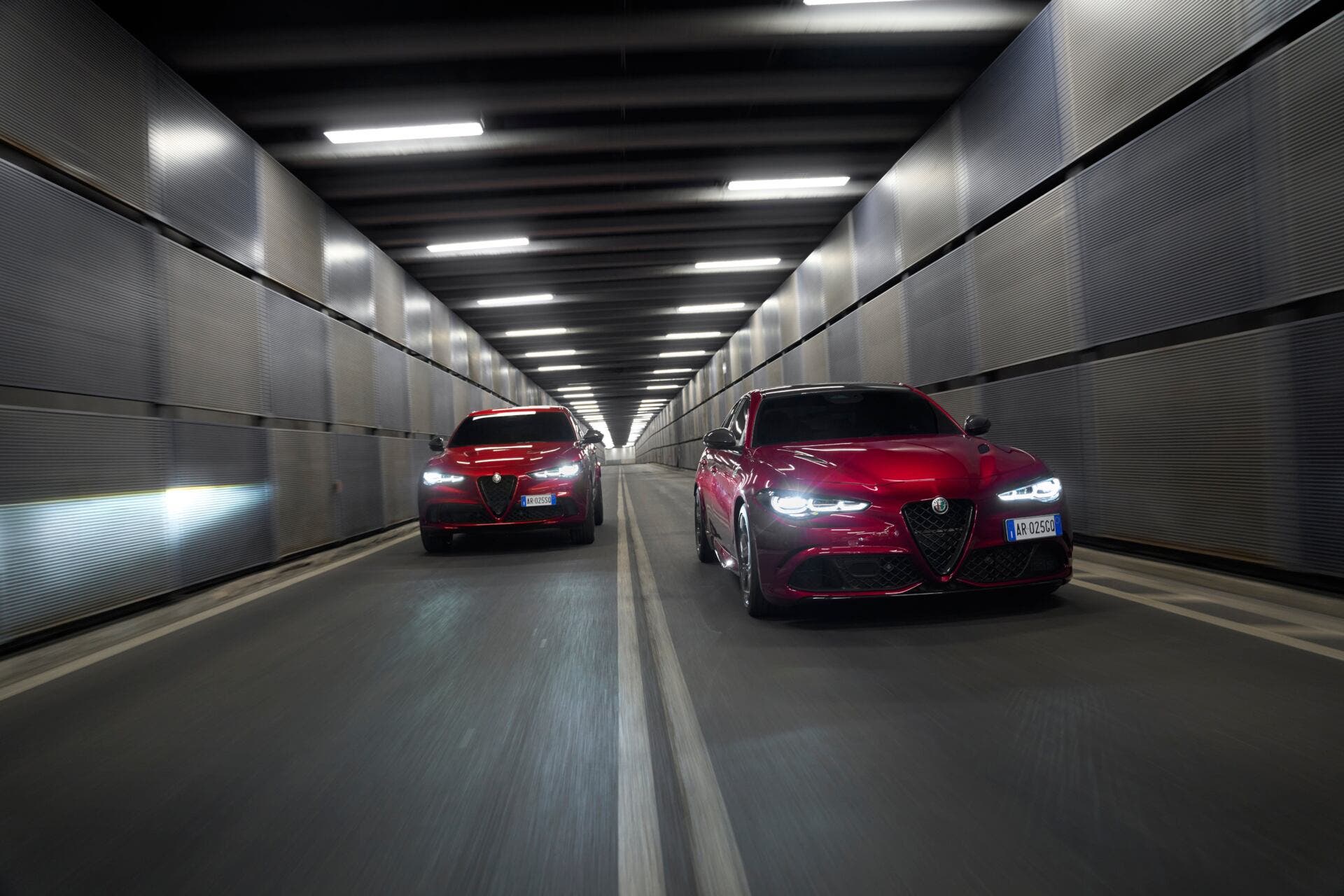
Shortly after that, according to recent reports, the new Giulia could arrive as a surprise second launch. This possibility suggests that Giulia development now stands at a more advanced stage than that of the new Stelvio. Even so, a debut before the end of 2027 or early 2028 remains unlikely. Paradoxically, the new Stelvio, which was supposed to open Alfa Romeo’s renewal and introduce the brand’s new design language, now risks the longest delay, with a launch that could slip into the second half of 2028.
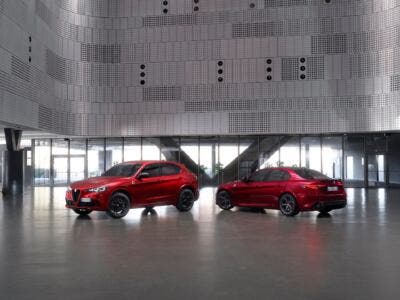
These scenarios remain hypothetical. Alfa Romeo has confirmed only one certainty so far: the current Giulia and Stelvio will stay in production until the end of 2027. Beyond that horizon, everything remains open. Alfa Romeo could also decide to preview the new Giulia and Stelvio together to recover lost time, even if production will likely not begin before mid-2028.
Both models will use the STLA Large platform. Alfa Romeo will not adopt a dual-architecture approach, despite earlier speculation about a return to the Giorgio platform for combustion versions. A single technical base will support all hybrid and electric powertrains.