


Nearly two years after a landmark vote, workers at the Volkswagen plant in Tennessee and the UAW reached their first contract agreement. The deal brings wage increases, stronger healthcare protection and greater job security and marks a major step for unionization in the southern United States, a region that has long resisted labor organizations.
The agreement follows a long and complex process. For years, the Volkswagen plant in Chattanooga symbolized the difficulty unions faced in organizing foreign automakers in the United States. In April 2024, employees changed the situation and voted by a large majority to join the UAW, creating an unprecedented event for a foreign car factory in the southern United States since World War II. After failed attempts in 2014 and 2019, the new contract now delivers the first concrete result of that decision.
Volkswagen Chattanooga workers win first union contract with UAW
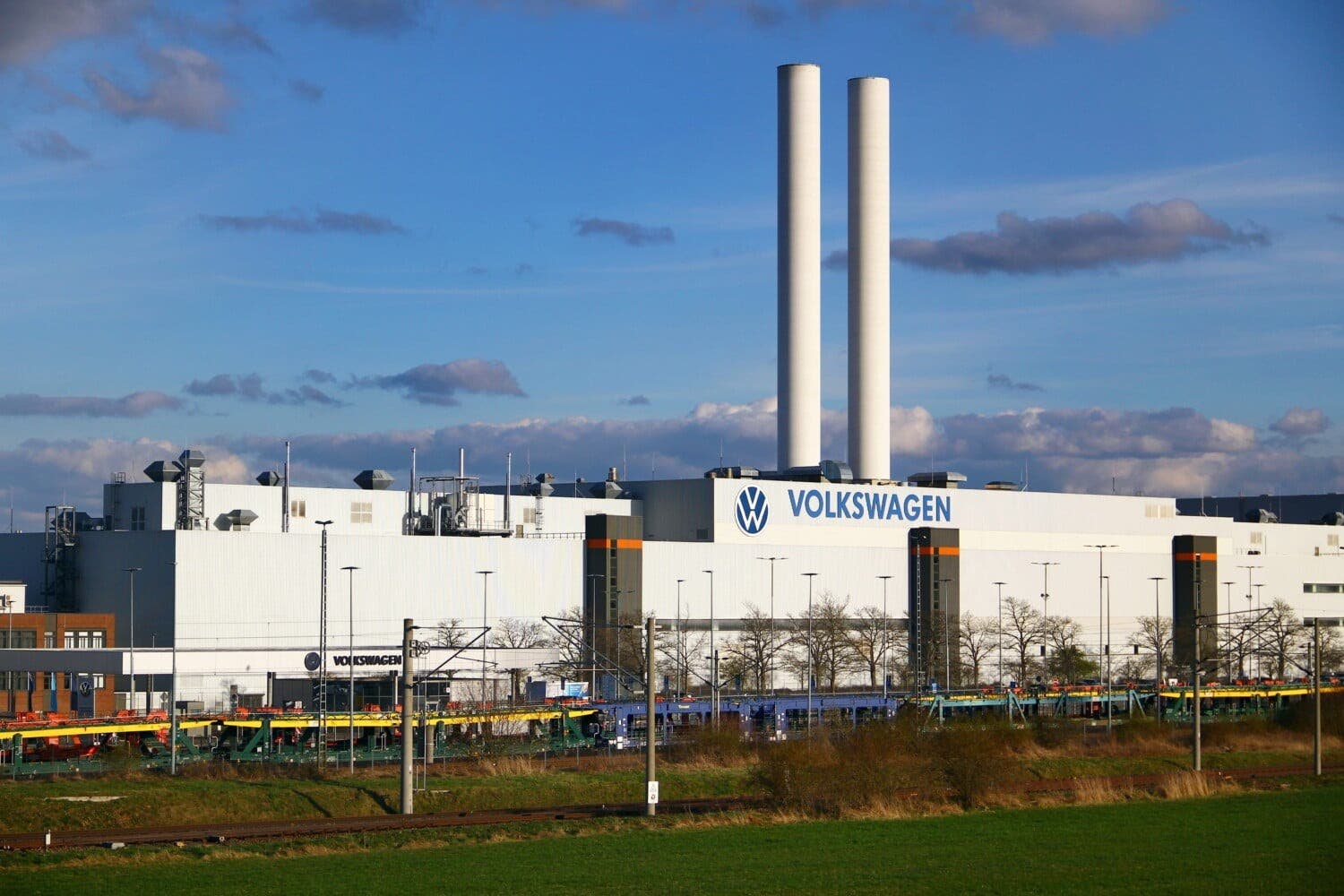
The contract includes substantial terms. The union reports a total wage increase of 20 percent over the life of the agreement, along with stronger healthcare coverage and measures that improve job stability. Volkswagen also confirmed important changes for the workforce and highlighted an increase in paid vacation days among the key updates. According to the UAW, the deal will directly improve living conditions for employees at the site.
This outcome follows years of worker mobilization. Chattanooga employees closely watched developments in the sector, especially agreements reached after the 2023 strikes at Ford, General Motors and Stellantis, which produced significant wage gains. By joining the union, Volkswagen workers expressed a clear intention to secure economic and contractual conditions comparable to those of employees at the major Detroit automakers.
The impact of the agreement extends beyond the Tennessee plant. For the UAW, the deal sets a strategic precedent that could support union growth at other automakers in the United States, including brands such as Toyota and Tesla. The success achieved with Volkswagen shows that concrete results can emerge even in regions with traditionally low union presence.
For Volkswagen, the agreement helps stabilize the industrial environment at a key facility for North American production. Accepting these terms also lowers the risk of labor conflict and supports stronger operational continuity. Over time, a better paid and better protected workforce can drive higher productivity and stronger employee retention, key factors for competitiveness. Whether the Chattanooga agreement will remain an isolated case or signal broader change across the US auto industry remains an open question.