

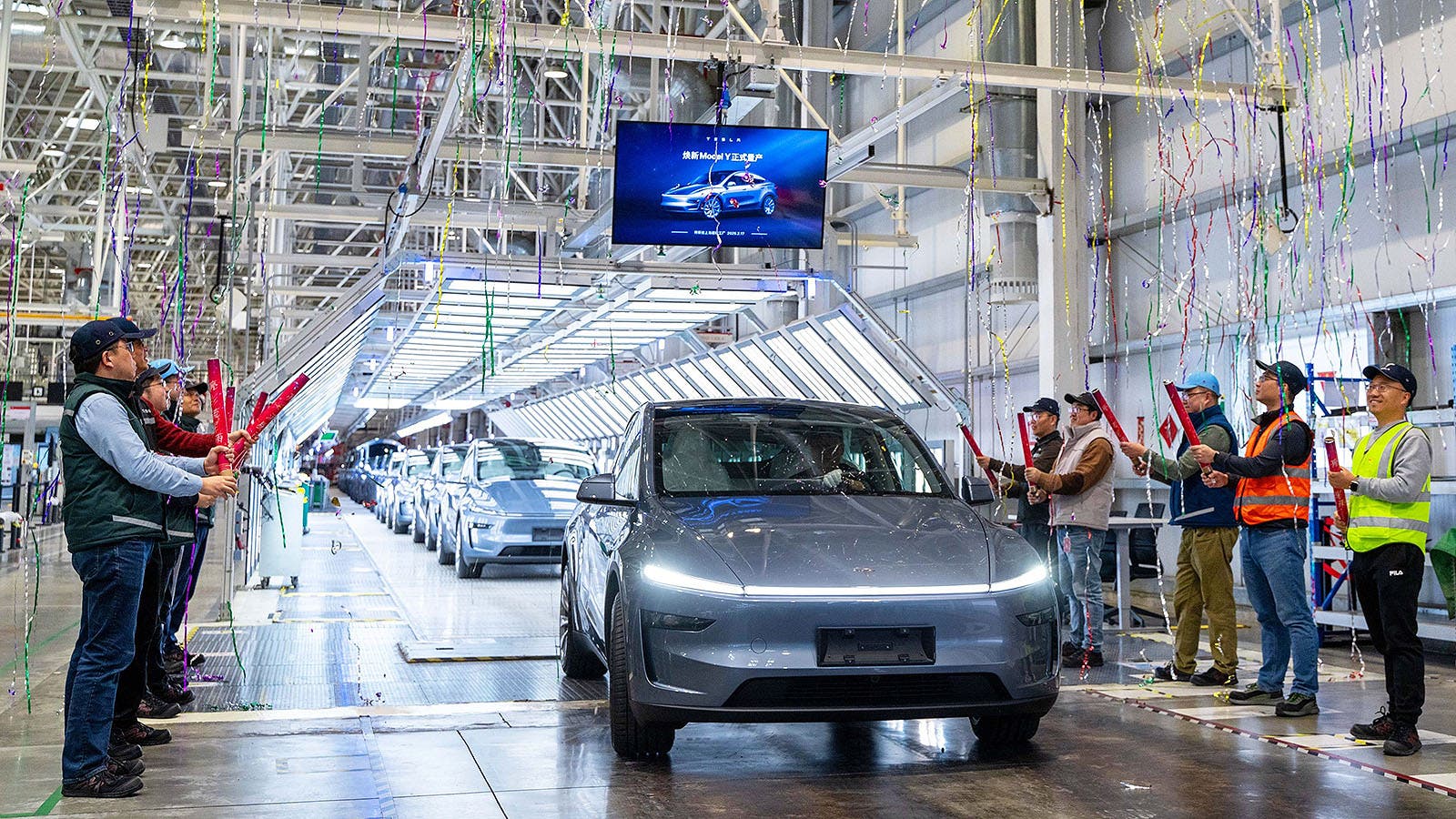
Following the evolution of Tesla’s lineup requires constant attention, because the California-based brand often changes strategy and product positioning without warning. The latest revision comes from the need to respond to BYD’s global lead, which pushed Tesla to rethink its structure and model positioning once again.
The American automaker has moved on two fronts. First, it introduced a more aggressive pricing strategy. Second, it reorganized the lineup to cover more market segments. The clearest result appears in the arrival of a Model 3 priced below $40,000, a level never seen before for the electric sedan. However, this strategy has also made the lineup harder for many customers to understand.
Tesla cuts prices and reshapes lineup as BYD pressure grows
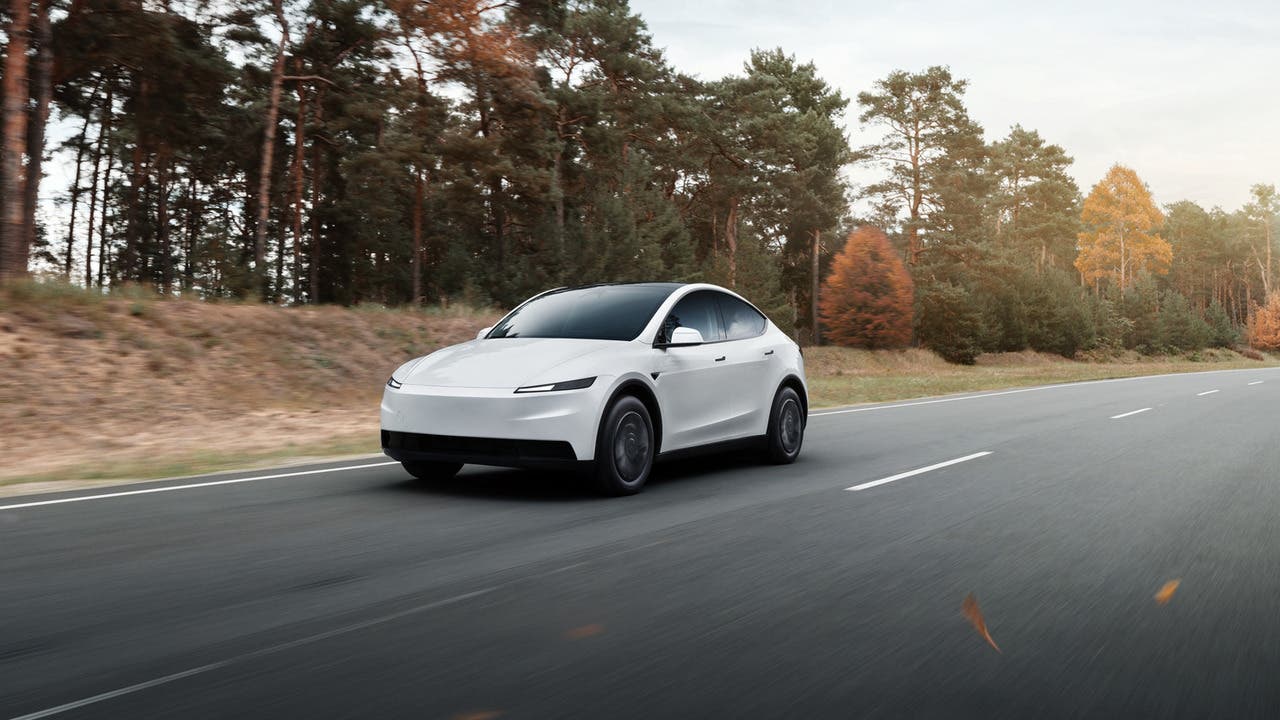
One of the biggest changes involves the disappearance of the “Standard” label, introduced only recently to identify entry-level versions. That name no longer appears in the configurator. Base models now carry simple names such as Model 3 or Model Y with rear-wheel drive, while better-equipped versions now use the Premium designation. Removing the Standard label helps Tesla strengthen the psychological value of entry into the lineup, avoiding a term that could sound too basic.
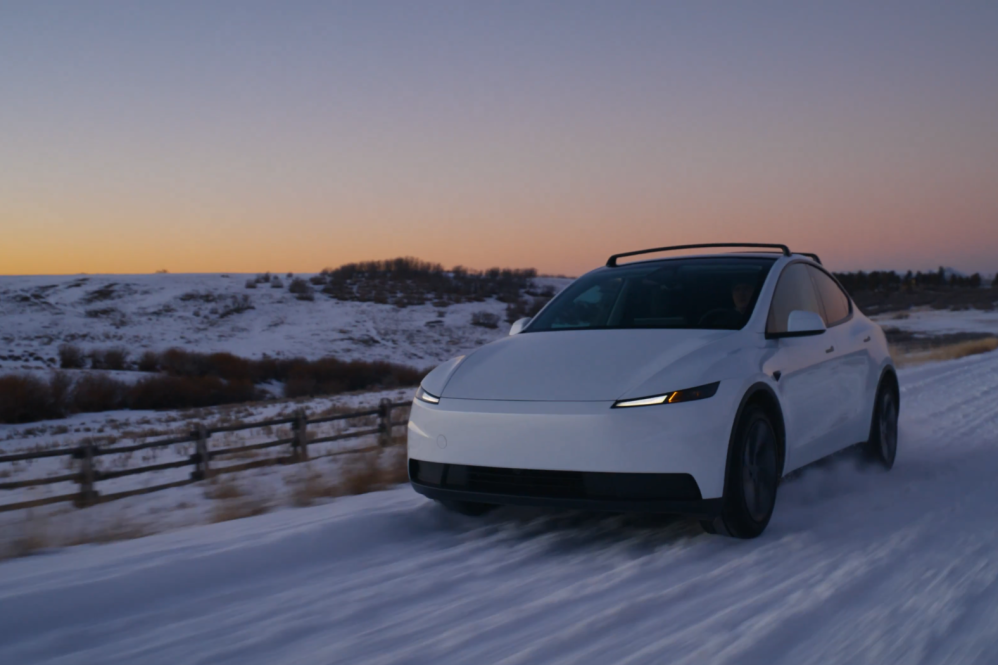
The price reduction, however, required changes to equipment. The new entry versions drop several distinctive features, starting with the panoramic glass roof, replaced by a traditional metal roof. This solution lowers costs and also changes the cabin experience, with less natural light but better heat management in warmer climates. Tesla has also updated the front lighting design.
Inside, the car follows a simpler philosophy. The large 15.6-inch central display remains the control hub of the vehicle, but features such as ventilated seats, heated rear seats, and the rear passenger screen have disappeared. The car now returns to a more minimal configuration focused on efficiency and daily mobility.
Under the floor, base versions use LFP batteries, a more affordable technology compared with the cells found in Premium and Performance variants. Although these batteries deliver lower energy density and reduced efficiency in cold weather, they provide strong durability and allow frequent full charging without significant degradation. This technical choice aligns with Tesla’s goal of lowering prices and expanding access to its electric lineup.