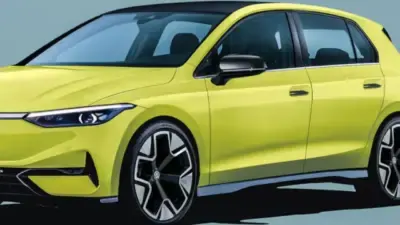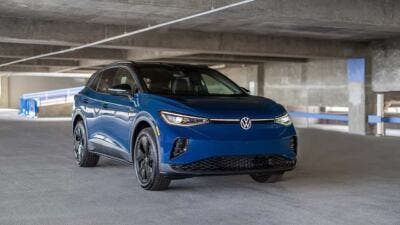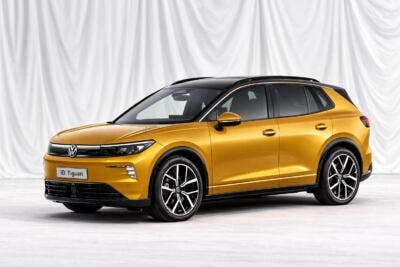
Volkswagen is expected to unveil the successor to the ID.4 during 2026. According to current rumors, the model could adopt the name ID. Tiguan, partially abandoning the numerical naming strategy that has characterized the brand’s electric lineup so far. The commercial launch is expected in 2027, in a segment where the new compact electric SUV will have to compete with rivals such as the Tesla Model Y, the Ford Mustang Mach‑E, the Hyundai Ioniq 5, the Kia EV6, the Škoda Enyaq, the Zeekr 7X and the Peugeot e‑5008.
Volkswagen preparing ID. Tiguan electric SUV as successor to ID.4
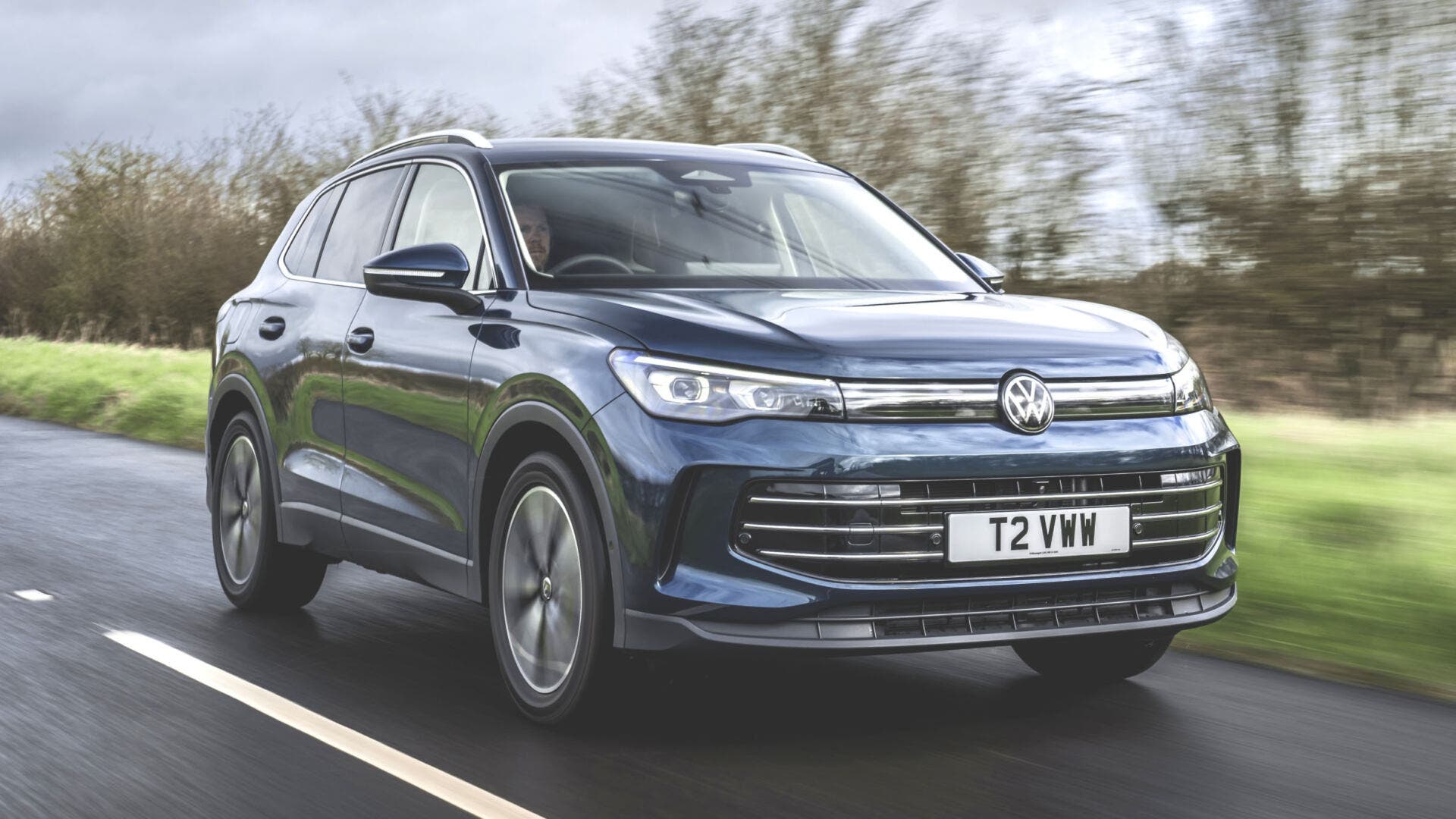
Rather than being an entirely new model, the vehicle would represent a deep evolution of the current architecture built on the Volkswagen MEB platform, most likely in its updated MEB+ form. The suspension layout should remain unchanged, with MacPherson struts at the front and a multilink setup at the rear. The electrical system is expected to continue using a 400-volt architecture, with LFP battery packs ranging roughly between 77 and 86 kWh. This should allow for a WLTP range between 500 and 550 kilometers, along with faster DC charging compared with the current Volkswagen ID.4.
The powertrain lineup is not expected to change dramatically either. Entry-level versions should feature a single rear-mounted motor producing around 282 horsepower, while dual-motor all-wheel-drive variants could deliver roughly 335 horsepower.
Switching to the Tiguan name reflects Volkswagen’s intention to bring its electric lineup closer to the brand’s traditional identity. The move could make the vehicle more familiar and approachable for customers who have not always connected with the “ID” naming system. Spy photos also point in that direction, suggesting proportions still similar to the ID.4 but with a design that feels closer to conventional SUVs. The renders currently circulating online follow this same idea.
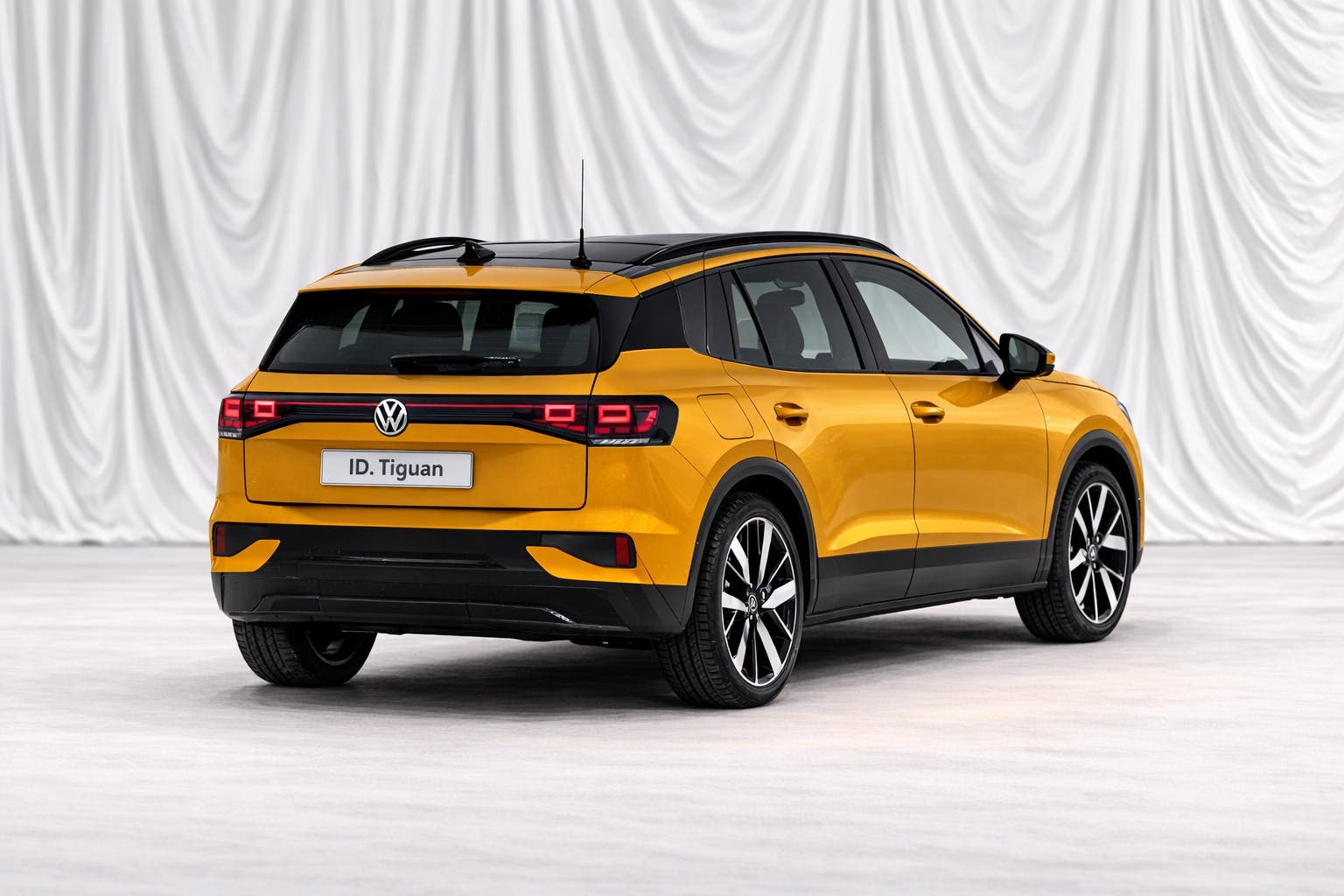
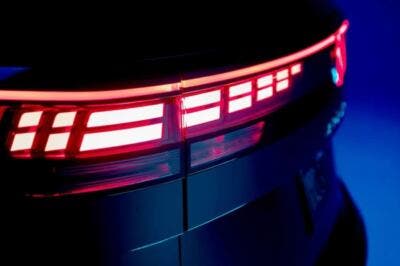
The front end appears more squared-off, with rectangular LED headlights linked by a full-width light bar and an illuminated Volkswagen logo at the center. The bumper adopts a more vertical and cleaner design. Along the side, the shoulder line looks straighter, the window graphics appear revised, and traditional door handles may return instead of the flush-mounted units used on the ID.4. At the rear, a horizontal lighting signature echoes the front design and sits below a small roof spoiler.
However, the most anticipated updates concern the interior. Volkswagen seems determined to address one of the main criticisms directed at the ID.4: the touch-sensitive controls and unintuitive sliders that received negative feedback from both journalists and customers. The central display will remain the focal point, but physical buttons should return on the steering wheel and for climate control, along with a traditional volume knob. These changes aim to improve everyday usability and ergonomics.
On the technology side, the cabin could integrate ChatGPT, more advanced voice commands and expanded connected services. Volkswagen is also expected to improve perceived quality through wider use of recycled materials and better-integrated fabric surfaces within the interior design. Interior space should remain largely unchanged, preserving the generous cabin room, especially for rear passengers, and the flat floor typical of vehicles built on the MEB platform.