A newly uncovered patent application tells us exactly where the electric vehicle market is heading, and spoiler alert: it isn’t toward simplification. Instead, automakers are spending massive capital to artificially inject the gloriously flawed driving experiences of yesteryear into the battery-powered appliances of tomorrow.
According to a highly detailed patent document originally spotted by CarBuzz, Toyota is actively developing a system designed to replicate the complete behavior of a traditional manual transmission on a fully electric vehicle.
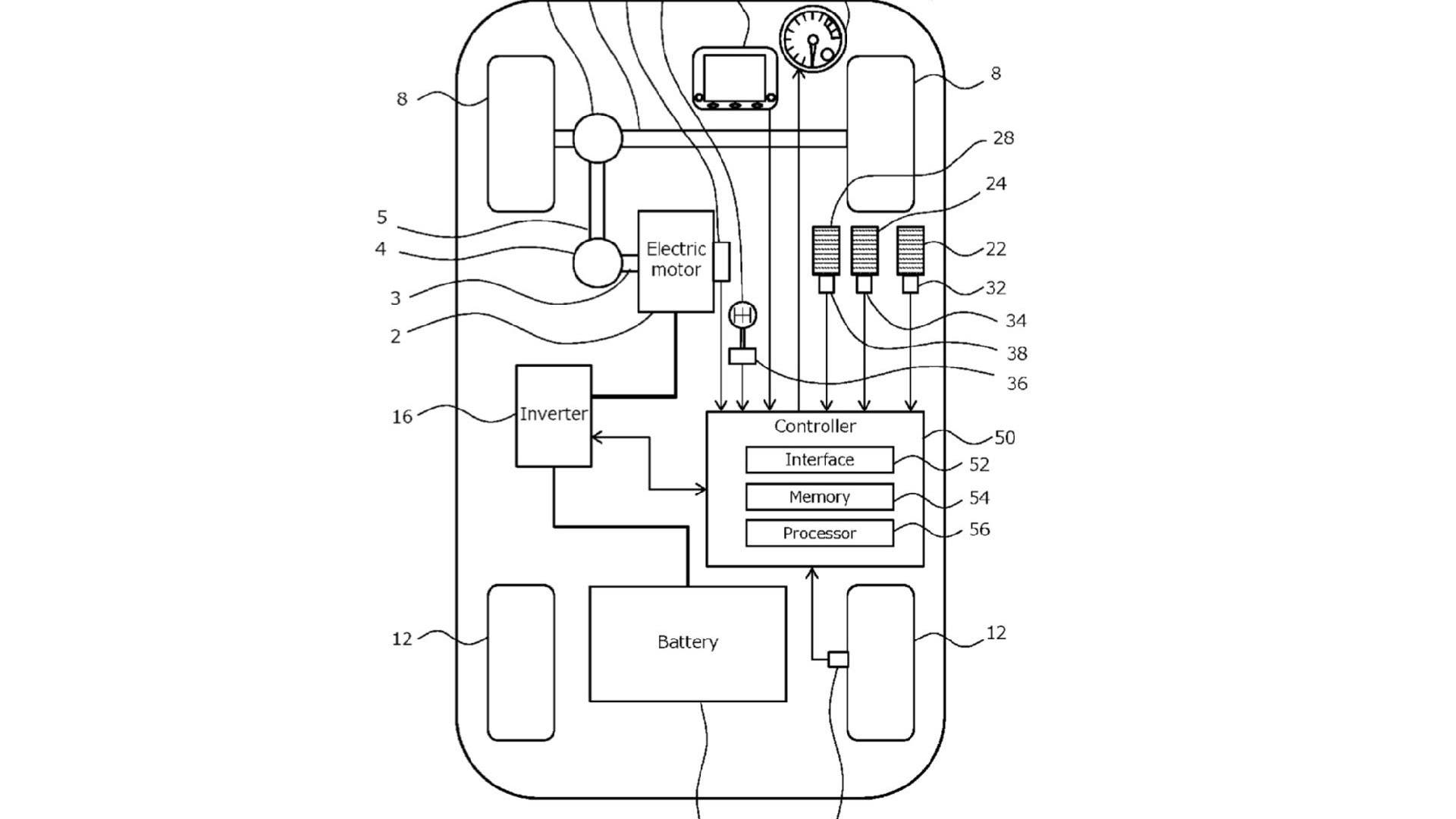
We are talking about a physical shift lever, a clutch pedal, and a software brain dedicated to simulating the exact mechanics of an internal combustion engine. But Toyota is pushing the absolute limits of absurdity here: the system will literally simulate a full engine stall if the driver messes up their footwork. To be technically precise, the electric motor won’t actually shut down. Rather, the control unit will instantly choke the torque delivery, flawlessly mimicking the embarrassing loss of momentum characteristic of a poorly managed gas car.
To be fair, Toyota isn’t the lone pioneer on this theatrical frontier. The Hyundai IONIQ 5 N already hit the market with its own Virtual Gear Shift, complete with simulated tachometer bounces and a fake rev limiter. However, Toyota aims to out-engineer the competition by making their virtual manual adaptive.
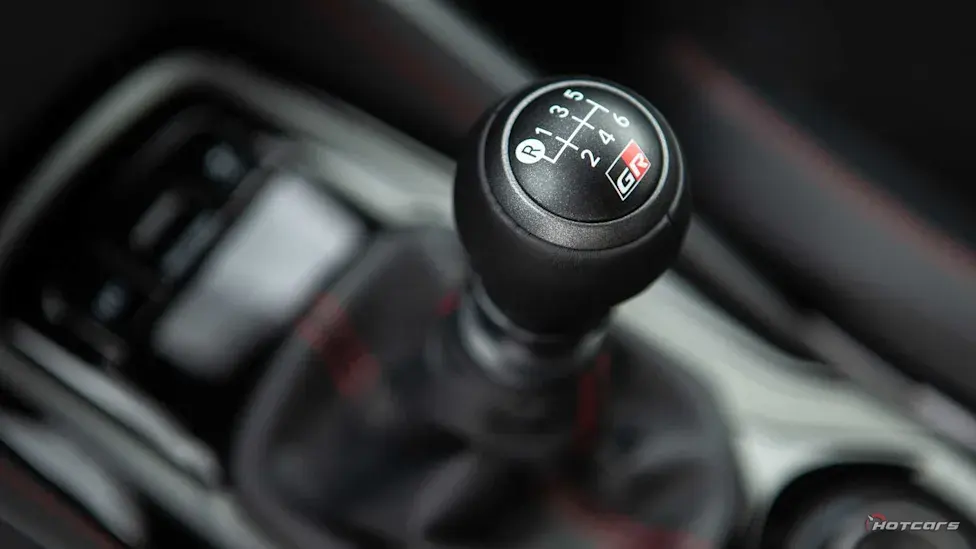
The patent describes a software stack that calibrates itself entirely based on driver proficiency. Absolute beginners will receive a highly permissive virtual clutch and generous hill-start assist. Conversely, seasoned three-pedal veterans will face an uncompromised, raw simulation with fewer electronic safety nets, replicating the unforgiving nature of a classic sports car. The document even outlines a “virtual launch control” function triggered by a rapid release of the imaginary clutch. It offers absolutely zero real-world performance advantages, serving strictly as emotional theater for your inner petrolhead.
The profound irony of this technology exposes the deep existential crisis currently plaguing the automotive industry. In their brutal efficiency, modern EVs accelerate like absolute rockets and hit performance metrics effortlessly, yet they routinely bore anyone who grew up rowing their own gears.
While a patent application is never a definitive promise of an assembly-line reality, the sheer depth of this document proves that carmakers are terrified of a soulless future.