

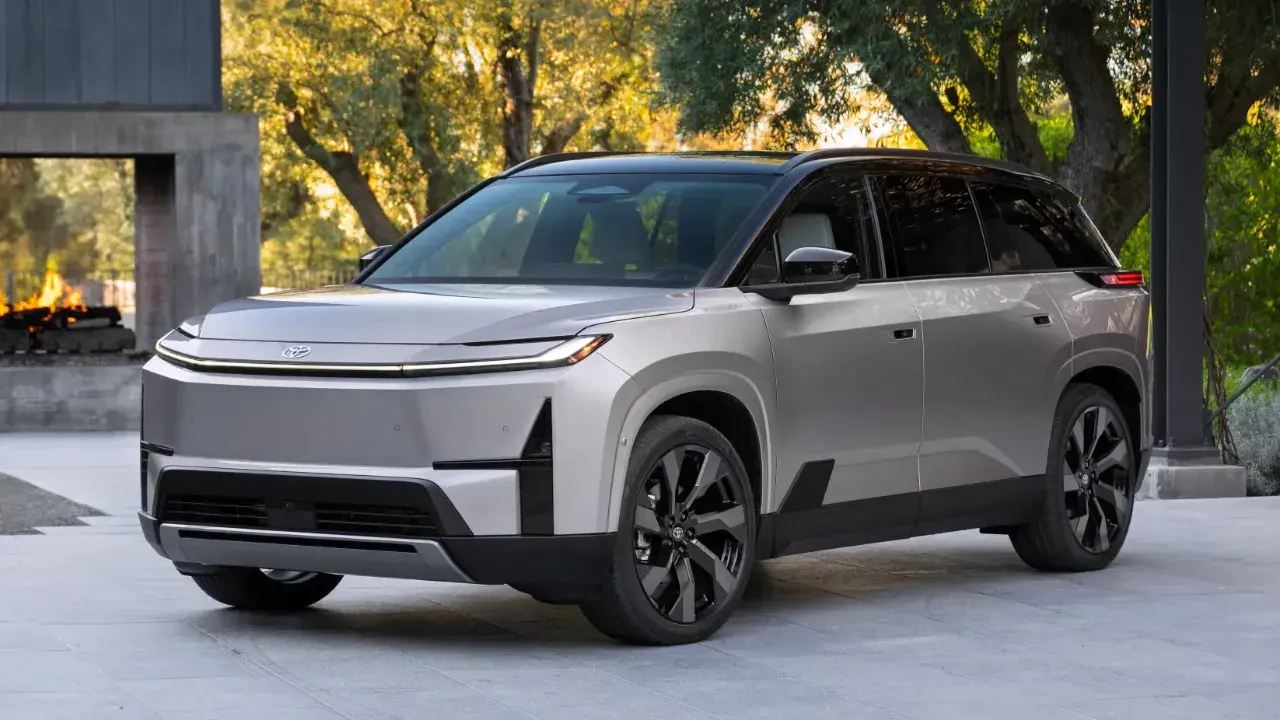
Toyota registered 21,855 electric vehicles in the United States during the first half of 2026, more than double the 9,249 units recorded in the same period a year earlier. The second quarter alone produced 11,826 registrations, up 225% year over year, allowing the Japanese automaker to rank fourth among battery-electric brands in the U.S. market, according to estimates from Kelley Blue Book and Cox Automotive.
Toyota becomes America’s fourth-largest EV brand as sales more than double
With a 4.7% market share, Toyota finished behind Tesla, Chevrolet, and Hyundai, while only a handful of vehicles separated it from the brands immediately below. Rivian ended the first half with 21,770 EVs and Cadillac with 21,767, respectively 85 and 88 units fewer than Toyota.
The bZ4X provided most of the momentum, reaching 17,553 registrations between January and June, an increase of 89.8%. That result made it the fourth-best-selling electric model in the country behind the Tesla Model Y, Tesla Model 3, and Hyundai Ioniq 5. The new electric C-HR began contributing in the second quarter and reached 3,748 units, while the bZ Woodland recorded 554.
Toyota’s progress carries particular weight when compared with the broader direction of the segment. The company is also closing in on Tesla in the ranking of profit per vehicle. Total U.S. EV sales reached 247,226 units in the second quarter, down 20.5% from the same period of 2025, although the market improved 14.7% compared with the first three months of the year.
Tesla retained its dominant position with 242,100 vehicles during the first half and a 52.3% market share, despite a 10.9% year-over-year decline.
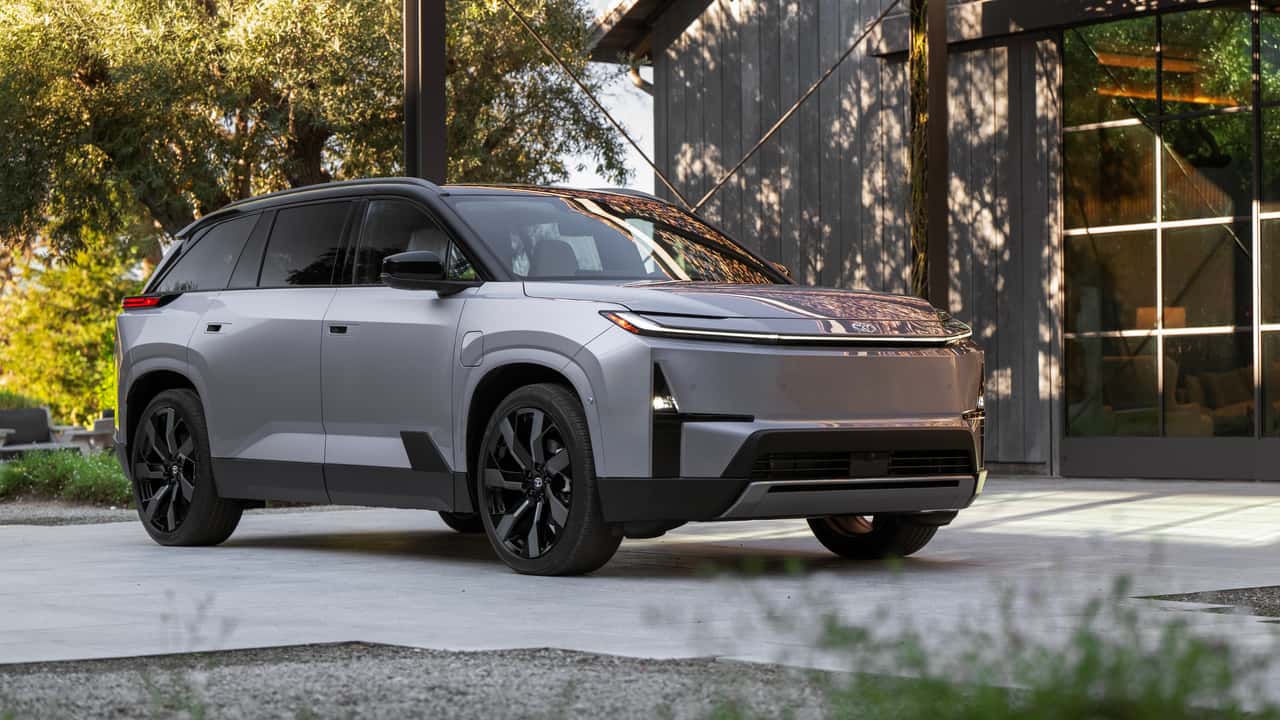
Toyota’s next major test will come from the seven-seat electric Highlander, which should become the brand’s first three-row EV assembled at a U.S. plant. However, a Toyota spokesperson confirmed a delay of at least eight weeks as the company completes the final adjustments before production begins.
Toyota has not confirmed any connection between the delay and a possible decision to extend sales of the gasoline and hybrid versions. The company has also provided no indication that the postponement will affect parallel programs at Lexus or Subaru.