

The name won’t win any awards for creativity. But the Toyota GR GT doesn’t need a clever name. It needs about 641 HP, a hand-built aluminum chassis, and enough visual aggression to make a Lamborghini feel self-conscious.
Toyota has been quietly assembling the pieces of a supercar program that nobody took seriously until they probably should have. The GR GT inherits its spiritual DNA from the 2000GT and the Lexus LFA, two cars that proved Japan could play in the big leagues when it actually tried. The difference now is that Toyota isn’t playing.
Production starts in 2027, a GT3 racing variant is already in the pipeline, and the GR Celica and a new MR2 are reportedly waiting their turn in the wings. This is a program, not a concept car designed to collect Instagram likes and then disappear.
That V8 hybrid powertrain also makes an implicit statement about the new Lexus LFA Concept, which ditched the combustion engine entirely. Abandoning the V10 that made the original LFA one of the greatest analog experiences in automotive history is a choice, and not everyone agrees with it. The GR GT, by contrast, kept the fire burning.
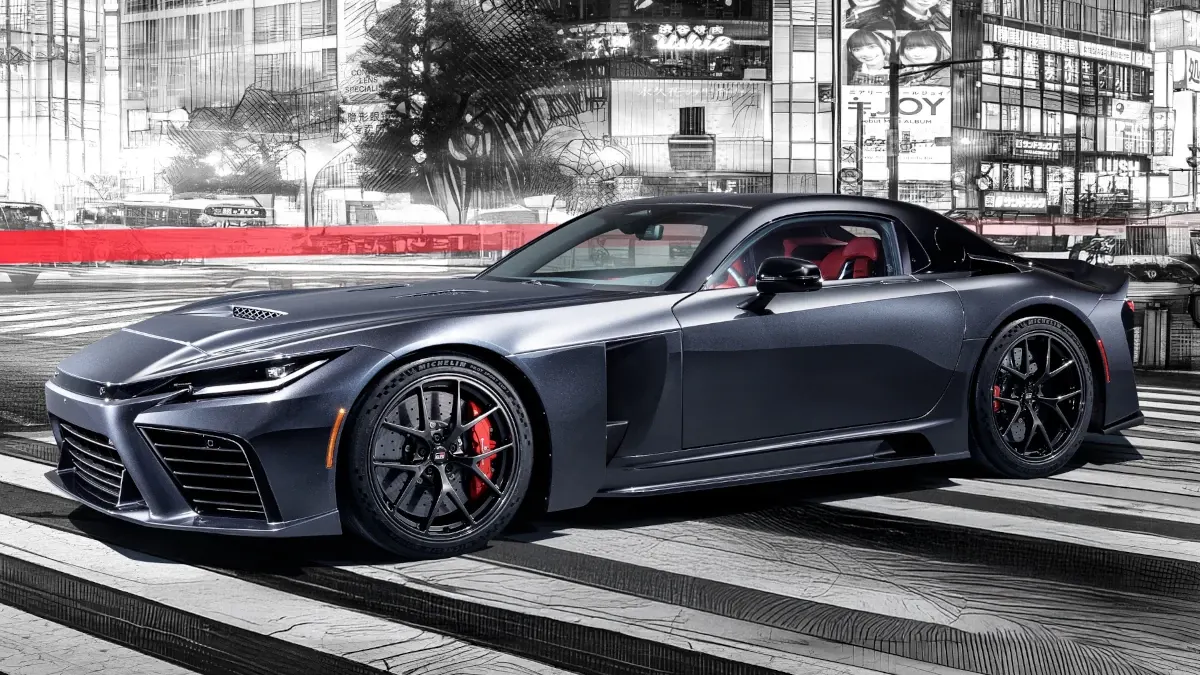
Then there’s the visual identity. In its darker configuration, the car looks like something Bruce Wayne would commission if he decided to go track-day shopping. CFRP body panels, four driving modes spanning Normal to Track, and proportions that don’t apologize for themselves.
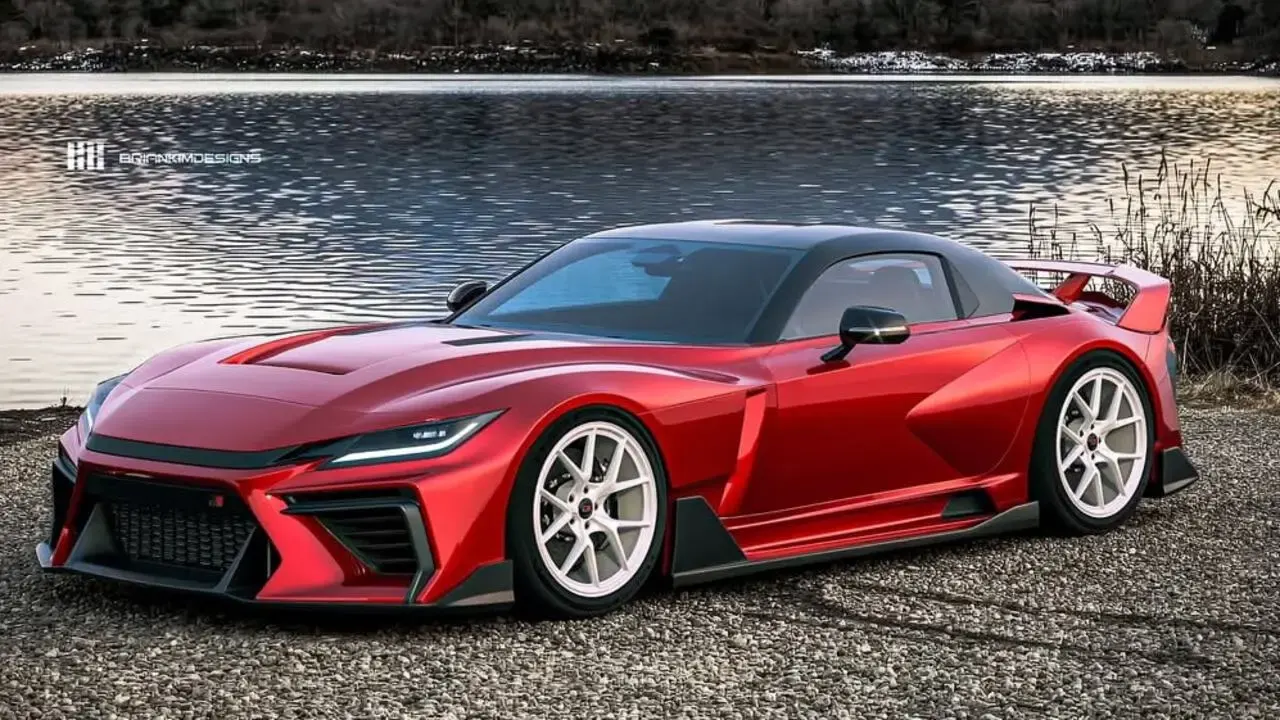
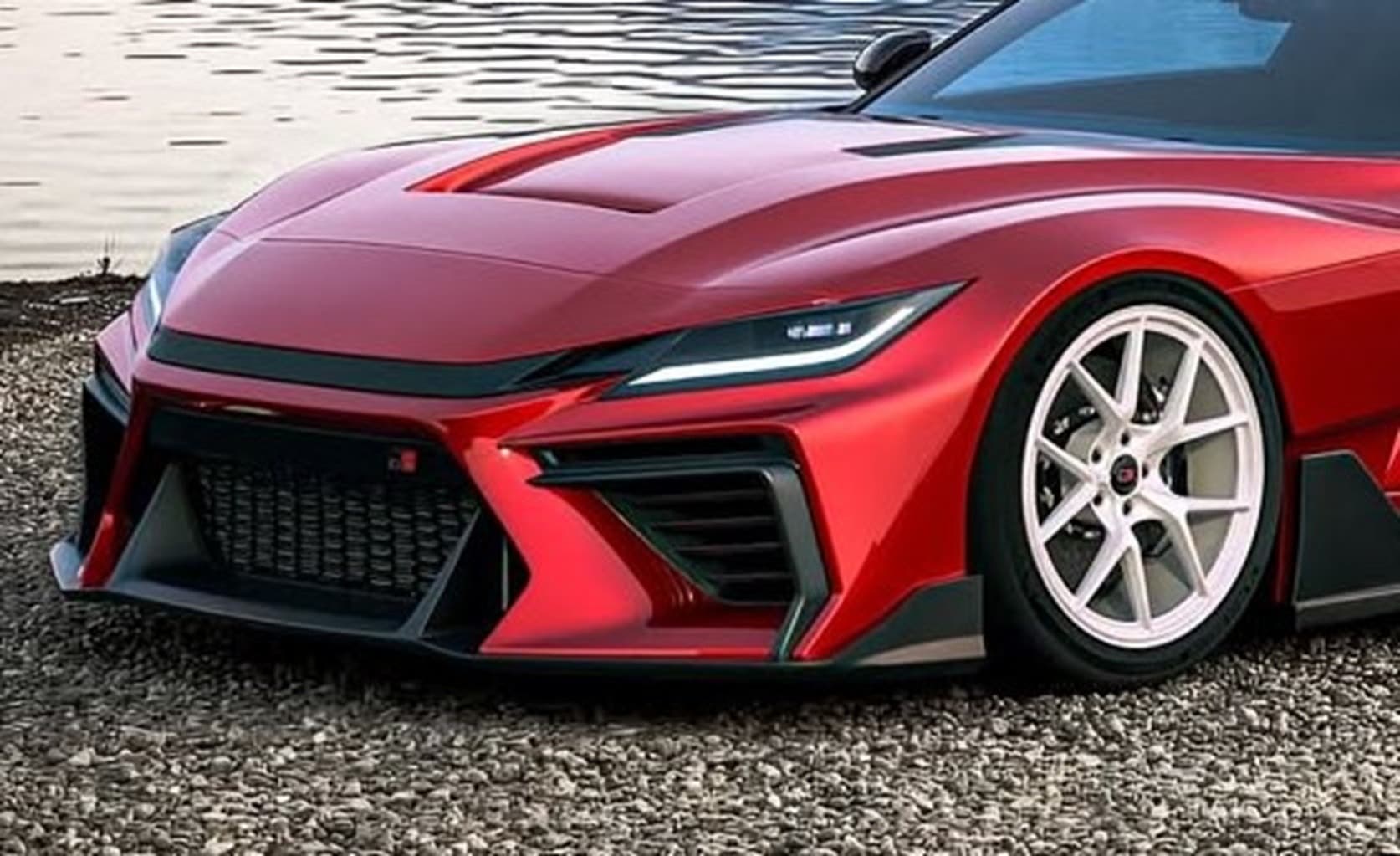
A recent rendering by designer Brian Kim shows a reworked front end with a flat hood, a muscular new bumper, red paint, black roof, and white wheels.
Meanwhile, Toyota’s Century nameplate is pushing into Rolls-Royce and Bentley territory, and Lexus is chasing Ferrari on the electric side. The Japanese giant is done being polite about its ambitions. The GR GT is the loudest proof of that. And it hasn’t even turned a wheel in anger yet.